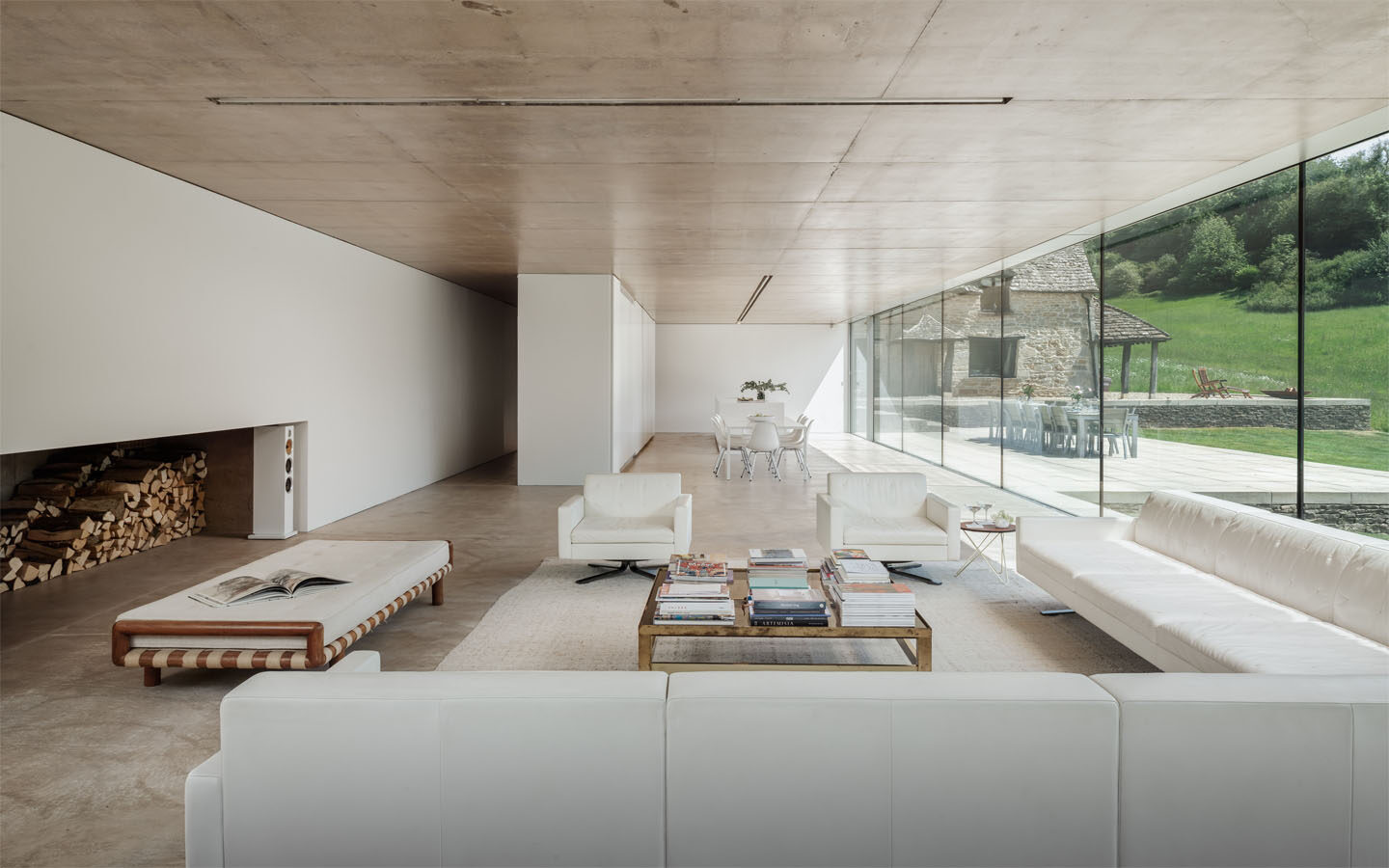
Open-plan living has been a defining characteristic of contemporary residential architecture for decades, and its popularity continues unabated in 2025. The concept, characterised by fluid, multipurpose spaces that erase rigid boundaries, resonates deeply with modern homeowners’ lifestyle preferences and design ambitions. Found Associates, a leading London-based RIBA-award-winning architectural practice, consistently integrates open-plan principles into their bespoke residential projects to create homes that are adaptable, light-filled, and conducive to connection and wellbeing.
This blog explores why open-plan living remains a cornerstone of contemporary architecture, highlighting its benefits, design strategies, and enduring appeal.
The Evolution and Philosophy of Open-Plan Living
The open-plan concept emerged in the mid-20th century as a challenge to compartmentalised Victorian and Edwardian home layouts. It prioritises openness, interaction, and flexibility—values that align well with today’s dynamic family and social structures.
- Open-plan layouts typically combine kitchen, dining, and living areas into a contiguous volume, breaking down physical and visual barriers.
- This integration promotes communication, togetherness, and a sense of spaciousness within the home.
- The philosophy embraces multifunctionality, allowing areas to serve diverse needs as lifestyles evolve.
Enhanced Natural Light and Ventilation
One of the most celebrated advantages of open-plan living is the optimisation of natural light and air circulation.
- Fewer internal walls mean sunlight can penetrate deeper into the home, brightening spaces uniformly and boosting occupants’ mood and energy.
- Improved ventilation with operable windows and open sightlines enables passive cooling and fresher indoor environments.
- Reduced reliance on artificial lighting and mechanical ventilation supports sustainable living goals.
Architects will leverage open layouts alongside generous glazing and strategic orientation to maximise these environmental benefits, creating healthier, lighter homes.
Flexibility and Adaptability for Modern Life
Contemporary lifestyles demand spaces that are flexible and adaptable, qualities that open-plan living naturally provides.
- Open rooms accommodate varying family sizes and activities, from quiet workspaces or play areas to social entertaining zones.
- Modular furniture, sliding partitions, and movable screens allow reconfiguration without compromising openness.
- The plan can evolve as needs change, extending the home’s long-term relevance and functionality.
It is imperative to design with future-proofing in mind, equipping homes with layered spatial solutions that combine openness with privacy when required.
Fostering Social Interaction and Connectivity
Open-plan arrangements encourage connection among household members, fostering a communal atmosphere that reflects contemporary social values.
- Cooking, dining, and relaxing happen in shared spaces, making everyday interactions more accessible and integrated.
- Visual connectivity allows supervision of children or easier hosting of guests.
- Open kitchens, often considered the heart of the home, become vibrant social hubs rather than secluded workspaces.
This social dimension is central to Found Associates’ projects, emphasising architectural features that cultivate warmth, flow, and conviviality.
Seamless Indoor-Outdoor Transitions
Another reason open-plan living endures is its synergy with the indoor-outdoor flow, particularly relevant in London’s residential context, where gardens and terraces are extensions of living space.
- Large sliding or bi-fold doors open entire walls to outdoor patios, blurring boundaries between inside and outside.
- Open layouts inside align visually and materially with exterior areas, creating a holistic spatial experience.
- Outdoor living and entertaining benefit from direct accessibility and visual integration.
Design Challenges and Solutions
While open-plan living offers many perks, it also poses challenges such as noise management, heating efficiency, and privacy concerns. Contemporary architecture addresses these creatively.
- Acoustic solutions include zoned layouts, sound-absorbing materials, and strategically placed partitions to reduce noise transmission without closing off spaces.
- Underfloor heating and smart climate controls optimise comfort and energy use in large, open rooms.
- Zoning strategies define areas visually through ceiling treatments, furniture arrangement, and floor patterning, balancing openness with function.
The Timeless Appeal of Open Plan
Ultimately, open-plan living persists because it aligns with how people live, work, and connect today—emphasising light, flexibility, and community. It enables interior designers and architects to craft expansive, inviting homes tailored to personal stories, locale, and aesthetic ambitions.
Found Associates continue to champion open-plan principles as a means to create spaces that are not just functional but joyful and inspiring. Their bespoke architectural approach honours the past while embracing innovation, ensuring each home resonates with enduring relevance.
FAQs related to Contemporary Residential Architecture
- What defines open-plan living in contemporary architecture?
Open-plan living combines multiple functional areas such as kitchen, dining, and lounge into one unified space, promoting flow and flexibility.
- How does open-plan design enhance natural light and ventilation?
By reducing internal walls, light and air travel more freely, leading to brighter, healthier, energy-efficient homes.
- Can open-plan homes accommodate privacy and noise control?
Yes. Modern soundproofing techniques, zoning, and flexible partitions help manage acoustic and privacy concerns effectively.
- How does open-plan living support modern lifestyles?
It provides adaptable spaces suitable for working, socialising, and relaxing, reflecting the multifunctional lifestyle of today’s homeowners.
- Why is an open-plan layout ideal for indoor-outdoor integration?
Large openings connect open interiors directly with outdoor terraces or gardens, creating fluid living environments that blend inside with outside.
Reference
- Scenario Architecture. “London Homes: Architectural Trends Shaping the Capital in 2025.” 2025.
- https://scenarioarchitecture.com/advice/london-homes-architectural-trends-shaping-the-capital-in-2025/
- Janine Stone. “What We’re Seeing in Luxury Property Trends for 2025.” 2024.
- https://www.janinestone.com/what-were-seeing-in-luxury-property-project-trends-for-2025
- Open Volume Studio. “2025 Top 5 Luxury Architecture Trends.” 2025.
- https://www.openvolumestudio.com/post/2025-top-5-luxury-architecture-trends
- Luxury Lifestyle Magazine. “The Modern Construction and Luxury Home Building Trends Shaping 2025.” 2025.
- https://www.luxurylifestylemag.co.uk/property/the-modern-construction-and-luxury-home-building-trends-shaping-2025/
- London Bay Homes. “Top Home Design Trends in 2025.” 2025.
- https://www.londonbay.com/blog/top-home-design-trends-in-2025