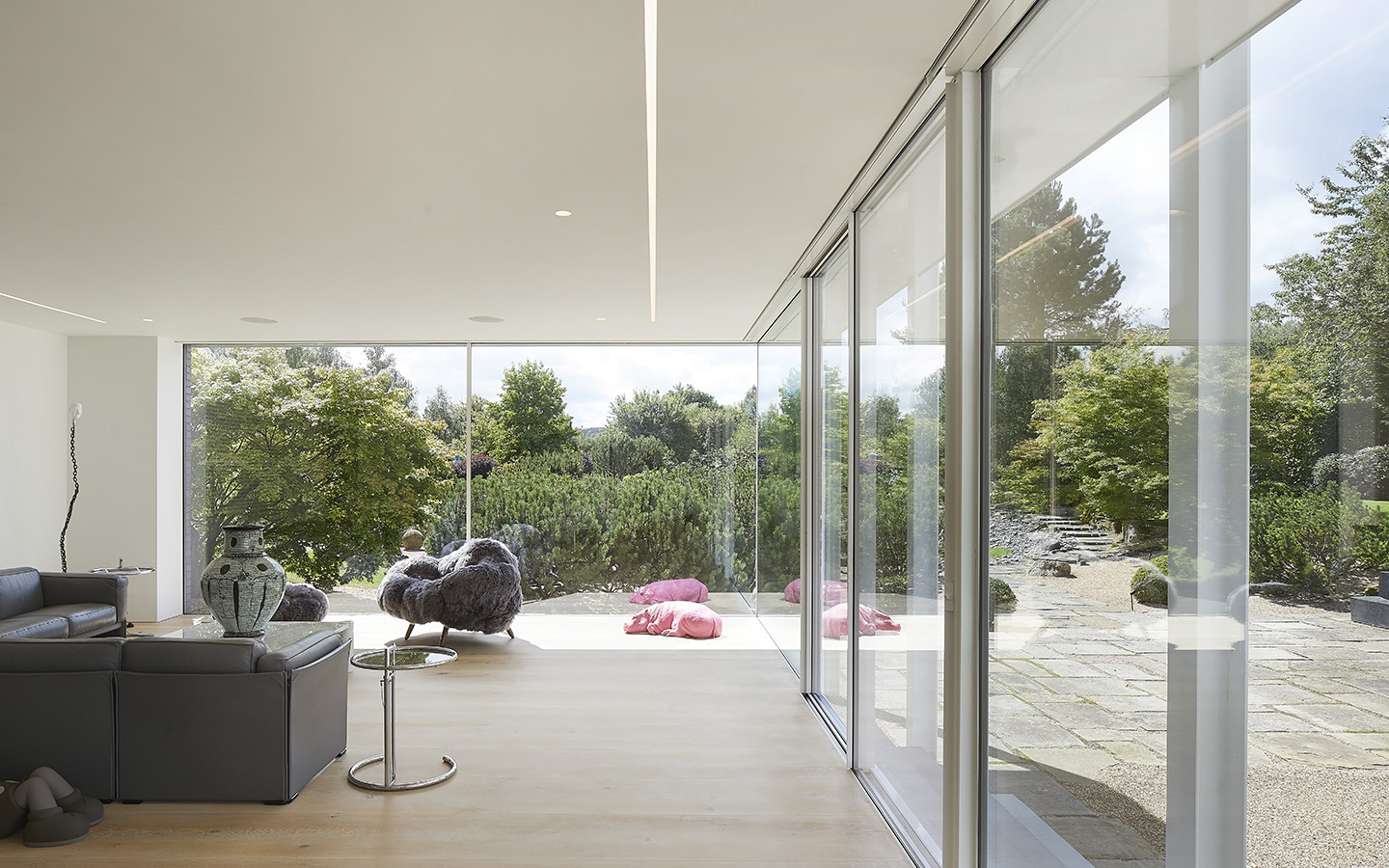
Good architecture is rarely the result of a single idea. It comes from balance. A project needs imagination, but it also needs discipline. It should feel distinctive, yet still work effortlessly in daily life. It should be uplifting for the client, but it also needs to make sense in terms of budget, planning, and long-term property value.
This balance is where many projects succeed or fail. At Found Associates, creativity is not treated as decoration layered on top of a brief. It is used as a tool to solve practical problems, improve how a space works, and create lasting commercial value.
Why The Best Design Is Never Just About Appearance
There is often a misconception that creative architecture is somehow separate from practicality. In reality, the strongest projects are the ones where the design idea improves performance. Better layouts, clearer circulation, stronger daylight, and more integrated storage are all creative moves when handled intelligently.
Creativity becomes valuable when it shapes the experience of the building while also improving how it functions. This is particularly important in London, where planning constraints, compact sites, and high build costs mean every design decision has to earn its place.
Design value often comes from:
• Smarter use of limited space
• Better relationships between rooms
• Improved natural light and views
• Materials that feel refined and durable
• Design choices that strengthen resale appeal
Function Is The Quiet Measure Of Quality
A building can look impressive and still perform badly. Awkward circulation, underused rooms, poor storage, and weak zoning quickly reduce the value of any design. Functional thinking is what allows architecture to support real life rather than simply photograph well.
Found Associates’ approach functions as part of the architectural language itself. Plans are considered carefully, movement through the home is tested, and spatial decisions are tied to how clients actually live, work, entertain, and grow over time.
Functional priorities often include:
• Clear flow through the home
• Practical kitchen and utility planning
• Calm separation between active and quiet spaces
• Integrated storage from the outset
• Rooms that remain flexible over time
Commercial Value Starts Earlier Than Most Clients Think
Commercial value is not only relevant when a property is sold. It begins at the concept stage. A well-designed scheme can improve planning confidence, reduce unnecessary structural costs, and make a home feel more desirable in the market. Even if the client has no intention of moving, these decisions still affect the long-term strength of the asset.
This is why commercial thinking should not be mistaken for compromise. In the right hands, it sharpens the project. It encourages clarity, reduces waste, and focuses the design on what will genuinely matter in use and in value.
Commercial value is often influenced by:
• Planning viability
• Efficient use of floor area
• The quality of light and flow
• Material longevity
• Broad market appeal without losing individuality
How Creativity And Restraint Work Together
One reason some high-end projects lose clarity is that they try to do too much. Bespoke architecture does not need constant visual gestures to feel luxurious. In many cases, restraint is what allows the design to feel more confident.
Found Associates often balance creativity with control. A strong concept is developed, but it is supported by measured detailing, clean planning moves, and a disciplined palette. That creates a home that feels sophisticated rather than overworked.
This balance can be seen in:
• Elegant forms with strong internal logic
• Simplicity supported by precise detailing
• Materials chosen for both beauty and durability
• Features that enhance use instead of distracting from it
Why This Matters In The London Market
London clients are often navigating multiple priorities at once. They want a home that feels distinctive, but they also need to consider planning complexity, build cost, timeline, and future value. In this environment, architecture has to perform on more than one level.
A practice that can balance creativity, function, and commercial value brings more than design flair. It brings judgment. That judgement helps clients avoid costly missteps and invest in moves that truly strengthen the project.
Clients benefit from:
• Better decision-making early in the process
• Stronger alignment between brief and budget
• Fewer reactive changes later on
• Architecture that feels personal and commercially sound
From Brief To Built Outcome
Protecting this balance requires continuity. It is not enough to produce a strong concept if the discipline disappears during technical design or construction. The vision needs to be carried through each stage so that practical coordination does not dilute the original ambition.
This is where an experienced practice adds real value. Creative ideas are translated into detailed information, consultants are coordinated, and the built result stays aligned with the intent established at the beginning.
This usually means:
• Clear concept development
• Rigorous technical design
• Careful consultant coordination
• Tender and contractor support
• Ongoing site involvement
Found Associates balances creativity, function, and commercial value by treating them as part of the same design conversation rather than separate priorities. The result is architecture that feels elegant, works beautifully in real life, and stands up as a strong long-term investment. That is where truly high-quality design earns its place.
For clients who want architecture that is imaginative, practical, and commercially intelligent, Found Associates offers a design process that brings all three together with clarity and purpose.
FAQs About Found Associates
- Why Is It Important To Balance Creativity And Function?
Because architecture needs to be both beautiful and liveable. A strong design should improve daily life, not just appearance. - What Does ‘Commercial Value’ Mean In Residential Architecture?
It refers to how design decisions affect planning success, build efficiency, resale appeal, and long-term property strength. - Can Creative Design Still Be Practical?
Yes. The best creative ideas often improve layout, light, storage, and the way the building performs. - Why Does This Balance Matter In London?
London projects often face tighter planning rules, limited space, and higher costs, so design decisions must work harder.
5. How Does Found Associates Protect Design Value Through The Process?
By carrying the concept carefully through briefing, planning, technical design, tendering, and construction support.