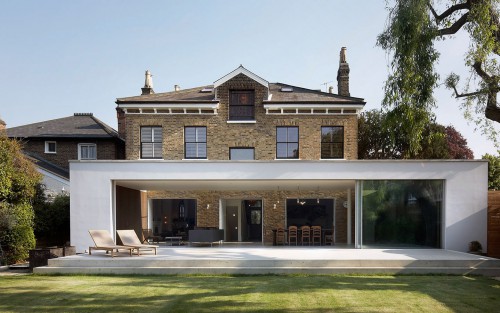
Trends come and go, but a timeless home always feels relevant. It’s the kind of space that still looks beautiful years later without needing constant updates to stay current. Timeless design isn’t about being boring or playing it safe. Instead, it’s about creating a home that feels balanced, refined, and deeply livable, with details that age well and layouts that support real life.
Whether you’re renovating a period property, designing a modern extension, or refreshing interiors, aiming for long-term appeal is one of the smartest choices you can make. A timeless home not only looks better over time, but it often holds its value more strongly and feels more comfortable to live in.
So what makes a home design truly timeless? Below are five key elements that consistently create lasting appeal regardless of changing styles.
1. Strong Proportions And A Well-Planned Layout
The foundation of timeless design isn’t a colour palette or a furniture style—it’s the layout. A home can have expensive finishes, but if the space planning is awkward, it will never feel truly right. Timeless homes work because they flow naturally and feel effortless to live in.
Key layout qualities that feel timeless include:
- Clear circulation routes with minimal wasted space
- Rooms that feel well-proportioned rather than cramped or oversized
- Thoughtful transitions between public and private areas
- A strong connection between indoor and outdoor living
- Flexible spaces that can adapt over time (office, guest room, playroom)
A timeless layout also supports changing lifestyles. Families grow, working patterns shift, and needs evolve—so a home that can adapt will always feel relevant.
2. Natural Light And A Sense Of Calm
Natural light is one of the most timeless “features” any home can have. It makes spaces feel larger, healthier, and more inviting. A bright home also supports a calm atmosphere, which is something people always value—no matter the era or trend.
Ways timeless homes maximise natural light include:
- Large, well-placed windows rather than random glazing
- Open sightlines that allow light to travel deeper into the home
- Rooflights or skylights in extensions and darker zones
- Glass doors or internal glazing that share light between rooms
- Light-reflective finishes that enhance brightness without feeling clinical
Timeless design often feels peaceful because it avoids visual chaos. Natural light helps soften the space and makes everything—from materials to furniture—feel more elevated.
3. Quality Materials That Age Beautifully
One of the biggest differences between trendy design and timeless design is how the materials perform over time. Timeless homes use finishes that don’t just look good on day one; they develop character and still feel sophisticated years later.
Materials that typically age well include:
- Natural timber flooring and joinery
- Stone surfaces like marble, limestone, or quartzite
- Well-made metalwork in brushed or aged finishes
- Handmade tiles with subtle variation
- High-quality paint in soft neutrals and warm tones
Timeless design avoids materials that feel overly artificial or overly “of the moment”. Instead, it prioritises texture, depth, and authenticity.
It’s also worth noting: timeless doesn’t mean expensive everywhere. It means choosing quality where it matters most, such as:
- Kitchen cabinetry and worktops
- Door hardware and handles
- Flooring and skirting details
- Bathroom fittings that feel solid and considered
These are the elements you touch daily, and they shape the long-term experience of the home.
4. A Neutral Base With Layered Personality
Timeless interiors often start with a neutral foundation. That doesn’t mean plain or colourless, it means the base is calm enough to evolve as your taste changes. Then personality is added through layers that can be updated without major renovation.
A timeless base might include:
- Soft neutral wall colours (warm whites, muted greys, stone tones)
- Classic flooring choices that suit the architecture
- Simple, elegant built-in joinery
- Clean-lined kitchen design without overly decorative features
- Consistent materials across rooms for cohesion
Then, to add personality without dating the home, use flexible layers like:
- Artwork and photography
- Cushions, throws, and rugs
- Statement lighting fixtures
- Accent chairs or feature furniture pieces
- Decorative objects and styling details
This approach gives you the best of both worlds: a home that feels current and expressive now but won’t look outdated later.
5. Thoughtful Detailing And Craftsmanship
Timeless design is often defined by what people don’t notice at first glance. The details are subtle, but they create a feeling of quality and refinement. When craftsmanship is good, a home feels intentional and elevated—even without dramatic design gestures.
Timeless details often include:
- Clean, consistent shadow gaps or trim lines
- Beautifully aligned joinery and cabinetry proportions
- Well-considered lighting placement (not just a ceiling pendant)
- Minimal but elegant hardware choices
- Doors and architraves that suit the property’s style
- A cohesive palette of finishes across the home
In period homes, timeless detailing may mean restoring and respecting original character while adding modern comfort. In contemporary homes, it may mean keeping lines simple and focusing on texture and balance.
Either way, craftsmanship always outlasts trends.
Common Mistakes That Make A Home Feel Dated
It’s just as helpful to know what to avoid. Many homes feel dated quickly because they lean too heavily into short-lived design trends.
Common design choices that can date a home include:
- Overly bold feature walls that dominate the space
- Trend-driven tile patterns are used everywhere
- Ultra-gloss finishes that feel cold or artificial
- Highly stylised lighting that doesn’t suit the architecture
- Open-plan layouts with no zoning or functionality
- Copying social media aesthetics without considering lifestyle
A timeless home isn’t designed for a photo—it’s designed for real living.
How To Balance Timeless Design With Modern Style
Timeless doesn’t mean traditional, and it doesn’t mean avoiding creativity. The best timeless homes often include modern elements; they’re just introduced thoughtfully.
A balanced approach might include:
- Contemporary lighting paired with classic materials
- Modern extensions that contrast subtly with period architecture
- Minimal kitchens softened with warm textures and natural finishes
- Statement furniture that can be changed later
- Modern colour accents are used in décor, not permanent finishes
This balance creates a home that feels relevant today but still holds long-term appeal.
Why Timeless Design Adds Long-Term Value
Timeless homes are not only more enjoyable to live in—they often make better investments. Buyers and renters are drawn to homes that feel well-planned, bright, and high-quality.
Long-term value benefits include:
- Less need for frequent redecorating
- Stronger resale appeal across changing trends
- Better durability and fewer maintenance issues
- More flexibility as your lifestyle changes
- A home that still feels “new” years later
Timeless design is a smart decision, emotionally and financially.
Timeless Homes Are Designed For Real Life
A timeless home design isn’t about chasing trends or choosing the safest option. It’s about creating a space with strong proportions, beautiful natural light, quality materials, a calm foundation, and detailing that feels refined. When these five elements come together, your home will feel just as appealing years from now as it does today.
If you’re planning a renovation, extension, or interior redesign and want a home that feels elegant, liveable, and enduring, Found Associates brings a design-led approach that balances architecture, interiors, and craftsmanship. Explore their work and philosophy at Found Associates.
FAQs
1. What Does Timeless Home Design Mean?
‘Timeless home design’ refers to interiors and architecture that remain attractive and functional over many years, without feeling outdated or overly trend-driven.
2. Can A Modern Home Still Feel Timeless?
Yes. Modern homes can feel timeless when they focus on strong layouts, natural light, quality materials, and thoughtful detailing rather than fast-moving trends.
3. What Colours Make A Home Feel Timeless?
Warm neutrals, soft whites, stone tones, muted greys, and natural earthy colours are typically timeless because they’re calm and easy to layer with accents.
4. What Materials Age Best in Interior Design?
Natural timber, stone, quality metals, and well-made tiles often age beautifully and develop character over time.
5. How Do I Avoid My Renovation Looking Dated In A Few Years?
Prioritise layout and light first, choose durable materials, keep the base neutral, and add personality through changeable décor rather than permanent finishes.
References
- Royal Institute of British Architects (RIBA) – Working With An Architect
- Planning Portal – Home Improvement Guidance
- UK Government – Building Regulations Overview
- Found Associates – Architecture And Interior Design Practice