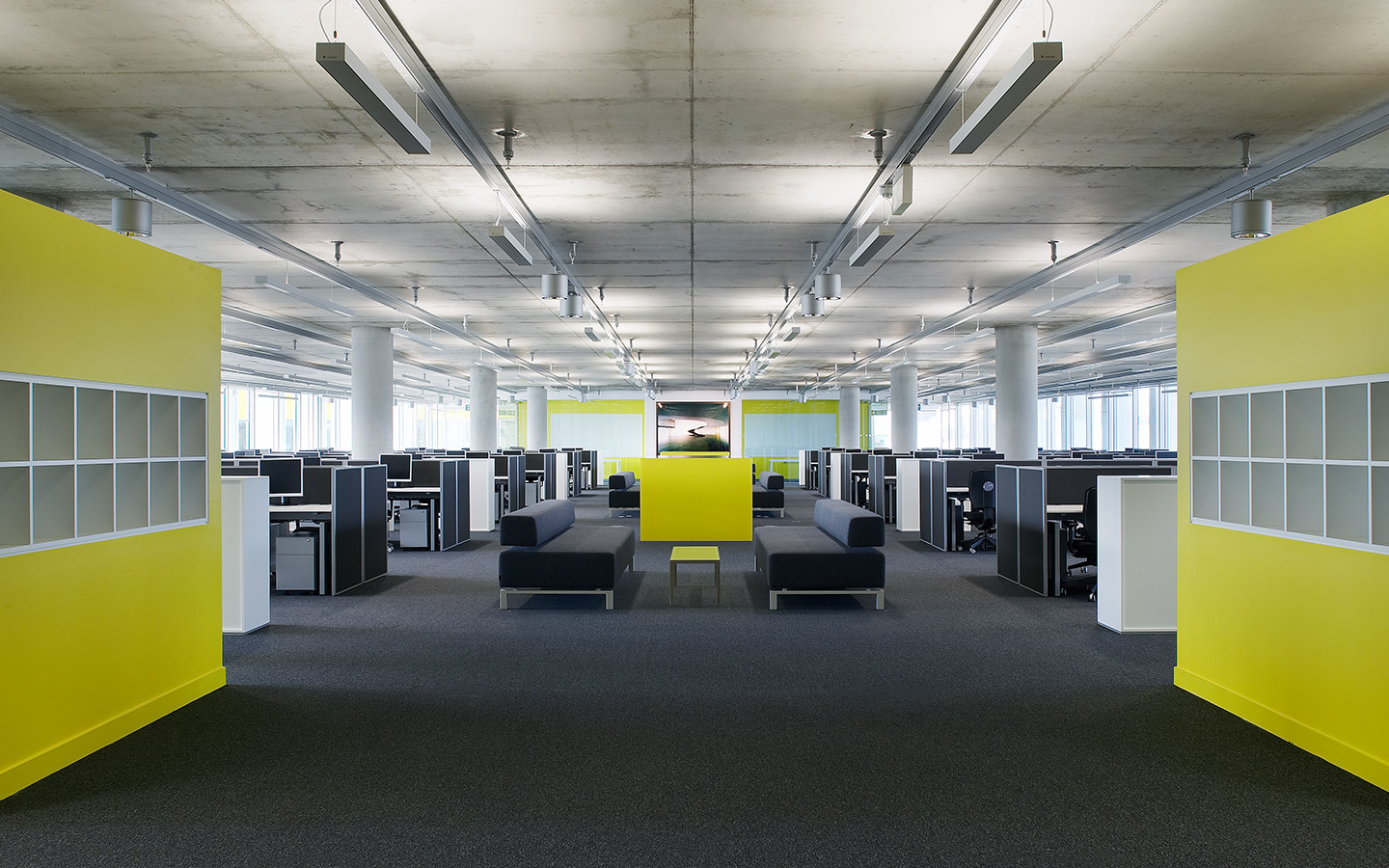
The evolution of office design reflects profound shifts in work culture, technology, and employee expectations. Architects in Clerkenwell London lead this transformation, pioneering hybrid office design that balances individual focus with collaborative energy. Office design trends 2026 emphasise flexible workspace design, making modern office architecture adaptable to hybrid realities. Found Associates, among the foremost architects in Clerkenwell London, crafts spaces that evolve from rigid hierarchies to dynamic ecosystems.
This blog traces the journey from traditional offices to hybrid workspaces, highlighting key milestones and future directions in flexible workspace design.
Traditional Offices: Hierarchy and Containment
Early 20th-century offices prioritised efficiency through strict spatial division. Modern office architecture began with cellular layouts reflecting organisational charts.
- Private executive suites signalled authority and status.
- Clerical pools featured rows of identical desks for standardised tasks.
- Minimal collaboration spaces reinforced top-down communication.
These designs suited industrial-era work but stifled creativity. Architects in Clerkenwell London now view this era as a cautionary tale of rigidity.
The Open-Plan Revolution (1960s-1990s)
Reacting against cellular isolation, open-plan offices promised democracy and interaction. Flexible workspace design emerged as corporations embraced collaborative ideals.
- Vast floorplates removed internal walls, creating visual connectivity.
- Breakout areas introduced informal meeting opportunities.
- Shared amenities fostered chance encounters among teams.
However, noise pollution and lack of privacy revealed limitations. Office design trends 2026 have learned from this era, balancing openness with acoustic sanctuary.
Activity-Based Working (2000s)
The early 2000s introduced nuanced zoning. Hybrid office design concepts took shape through diverse work settings matching tasks.
- Focus booths provided quiet concentration away from open areas.
- Meeting pods accommodated small group discussions.
- Lounge zones supported casual knowledge sharing.
Modern office architecture began prioritising user choice over assigned seating. Architects in Clerkenwell London refined these principles for cultural fit.
Post-Pandemic Hybrid Pivot (2020s)
COVID-19 accelerated flexible workspace design, blending remote and in-office work seamlessly. Office design trends 2026 centre on compelling reasons to commute.
- Hot-desking with app-based booking systems optimised space utilisation.
- Video-first meeting rooms ensured remote inclusion.
- Wellness amenities like gyms and cafes competed with home comforts.
Found Associates adapted swiftly, creating magnetic hybrid office design that prioritised connection over mere presence.
Human-Centric Design Dominance
Office design trends 2026 foreground employee wellbeing. Architects in Clerkenwell London craft environments supporting mental and physical health.
- Biophilic elements—living walls, natural materials—reduce stress.
- Circadian lighting mimics daylight cycles for energy regulation.
- Acoustic zoning prevents fatigue from constant stimulation.
Flexible workspace design now includes nap pods and mindfulness rooms. These features boost retention in competitive talent markets.
Technology-Embedded Intelligence
Modern office architecture integrates IoT seamlessly. Hybrid office design leverages data for continuous optimisation.
- Occupancy sensors adjust lighting, temperature, and ventilation dynamically.
- AI analytics reveal peak usage patterns for layout refinement.
- Touchless controls enhance hygiene and convenience.
Architects in Clerkenwell London conceal infrastructure elegantly, ensuring technology serves people rather than dominating spaces.
Sustainable Material Revolutions
ESG imperatives drive office design trends 2026. Flexible workspace design favours circular economy principles.
- Modular furniture enables reconfiguration without waste.
- Recycled acoustics and reclaimed timber reduce embodied carbon.
- Adaptive reuse transforms obsolete buildings into vibrant hubs.
Found Associates specifies BREEAM-compliant solutions that age gracefully while meeting net-zero goals.
Experiential Amenities as Differentiators
Hybrid office design competes through premium experiences. Modern office architecture incorporates hospitality-inspired touches.
- On-site cafes with barista coffee elevate daily routines.
- Rooftop terraces provide fresh air and panoramic views.
- Event spaces host town halls, workshops, and celebrations.
These amenities make offices destinations. Architects in Clerkenwell London curate atmospheres fostering belonging.
Inclusive and Neurodiverse Design
Office design trends 2026 embrace diversity. Flexible workspace design accommodates varied needs and abilities.
- Adjustable height desks and seating for ergonomic comfort.
- Sensory rooms for neurodiverse employees seeking calm.
- Clear wayfinding with colour coding and tactile cues.
Universal design principles ensure accessibility benefits everyone. Found Associates prioritises equity in every project.
Data-Driven Continuous Evolution
Modern office architecture becomes living laboratories. Hybrid office design uses real-time feedback for iterative improvement.
- Utilisation dashboards guide space reallocation decisions.
- Employee surveys inform quarterly design tweaks.
- Agile furniture supports rapid experimentation.
Architects in Clerkenwell London partner with clients for long-term evolution, ensuring relevance amid change.
The Community Hub Model
Future offices function as cultural hearts. Office design trends 2026 position workspaces as third places between home and coffee shops.
- Maker spaces encourage hands-on innovation.
- Learning studios host skill-sharing sessions.
- Social stairs replace lifts as interaction catalysts.
Flexible workspace design fosters serendipity deliberately. These hubs strengthen organisational identity.
Conclusion
The evolution of office design—from hierarchical cells through open-plan experiments to sophisticated hybrid workspaces—demonstrates architecture’s power to shape culture. Architects in Clerkenwell London drive office design trends 2026 with human-centric, sustainable, tech-enabled flexible workspace design. Modern office architecture now creates environments where people thrive, collaborate, and innovate.
Found Associates continues leading this evolution, transforming workplaces into vibrant expressions of organisational ambition and employee aspirations.
FAQs related to Evolution of Office Design
- What defines successful hybrid office design?
Flexible zoning prioritising collaboration, wellness, and technology for seamless remote-in-office integration.zenturaworkspace - How has human-centric design evolved in modern office architecture?
Biophilic elements, circadian lighting, and neurodiverse accommodations now standard in office design trends 2026.langhamestate - Why prioritise sustainability in flexible workspace design?
Modular materials and adaptive reuse meet ESG goals while reducing long-term costs.oktra - What role does technology play in hybrid workspaces?
IoT sensors optimise utilisation, while touchless controls enhance hygiene and convenience.interaction.uk - 5. How do experiential amenities attract talent?
Premium cafes, rooftop terraces, and event spaces make offices compelling destinations.k2space
References
- https://www.zenturaworkspace.co.uk/post/office-design-trends-2026
- https://langhamestate.com/industry-community/office-design-trends/
- https://www.oktra.co.uk/insights/office-design-trends-in-2025/
- https://www.interaction.uk.com/insight/articles/10-modern-office-design-trends/
- https://k2space.co.uk/knowledge/office-design-ideas
- https://k2space.co.uk/knowledge/office-design-trends-2025
- https://www.decorilla.com/online-decorating/office-design-trends-2026/
- https://www.youtube.com/watch?v=PwWmtiJ4nFs
- https://www.pureofficesolutions.co.uk/2026-office-design-trends-what-to-expect-next-year/
- https://www.ie-uk.com/blog/office-design-trends-2025-colour-furniture-spacing-ideas