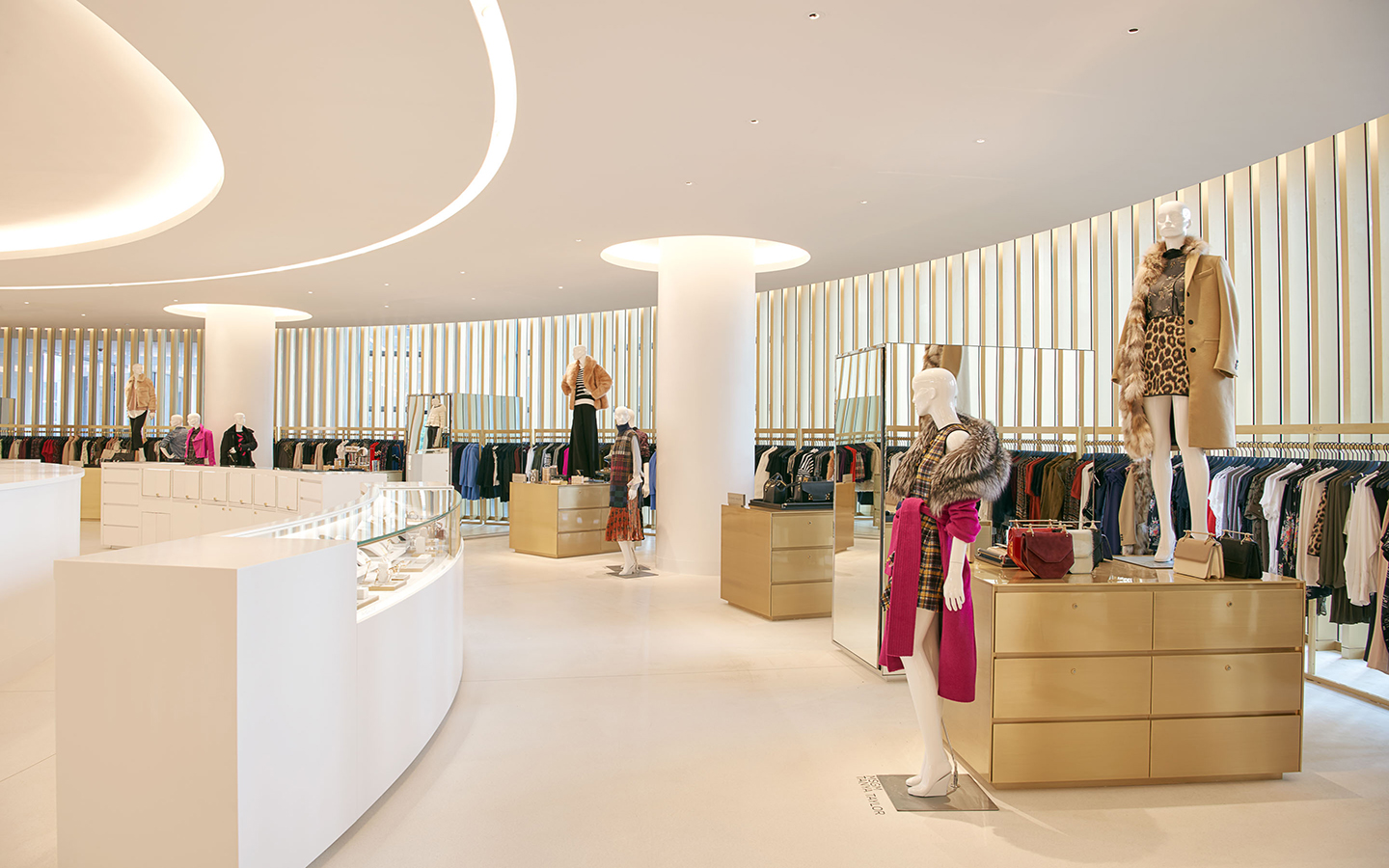
Retail design is never just about how a store looks. It is about how it guides attention, shapes movement, and invites people to stay long enough to connect with the product and the brand. In an era where online browsing is effortless, physical retail has to earn every extra minute of customer engagement. That is why good retail store design matters so much.
For brands in London, especially, store environments often need to work hard. They must communicate identity quickly, manage customer flow elegantly, and create an experience that feels both intuitive and memorable.
Why Dwell Time Matters In Retail Store Design
Dwell time is a strong indicator of retail engagement because the longer customers remain comfortably in a space, the more likely they are to explore, interact, and buy. But increasing dwell time in retail environments successfully achieved is not about slowing people down artificially. It is about removing friction and giving them reasons to move further into the store.
This usually depends on:
• Clear entry experience
• Legible product zoning
• Comfortable pacing through the space
• Focal points that reward movement
• Atmosphere that supports browsing rather than rushing
Retail Layout Strategy Starts With Customer Behaviour
A strong retail layout strategy is based on how people actually move, pause, and make decisions. The plan should consider sightlines, product hierarchy, adjacencies, and the rhythm between open space and display density. When the layout is underdeveloped, even a visually attractive store can feel confusing or tiring.
A good layout strategy often includes:
• A clear decompression zone at entry
• Strong visual anchors deeper in the store
• Product groupings that make intuitive sense
• Smooth transitions between display zones
• Checkout placement that supports flow rather than blocks it
How Customer Flow Store Design Influences Sales
Customer flow store design is one of the most practical tools in retail architecture. It shapes the route people are likely to take, where they will slow down, and which products receive attention. Good flow is subtle. It feels natural while guiding customers through a richer experience of the brand.
Customer flow store design can improve:
• Product visibility
• Time spent in key areas
• Ease of navigation
• Queue management
• Overall comfort in the space
The Role Of Experiential Retail Interiors
Experiential retail interiors aim to make the store more than a transaction point. They create atmosphere, interaction, and identity. This does not require gimmicks. Often, the most effective experience comes from material quality, lighting, tactility, and moments of pause that invite customers to stay.
Experiential retail interiors may include:
• Feature displays with storytelling value
• Seating or consultation zones
• Lighting that guides attention deliberately
• Materials that reinforce brand character
• Flexible areas for launches or changing collections
Small Spatial Moves Can Have A Big Impact
Increasing dwell time retail performance often depends on details that seem modest in isolation. Better sightlines, improved fitting room placement, more intuitive circulation, or a clearer relationship between hero products and supporting merchandise can all transform how the store performs.
That is why retail store design should be handled strategically, not just decoratively.
Well-considered retail design often improves:
• Customer comfort
• Brand recall
• Staff efficiency
• Product discovery
• Return visits
Why Architecture Still Matters In Physical Retail
As shopping becomes more digital, the physical store needs to justify its presence through quality of experience. That makes architecture more important, not less. The best retail spaces combine commercial intelligence with spatial refinement. They feel effortless to move through, aligned with the brand, and strong enough to hold attention in a crowded market.
Retail store design is most effective when layout, atmosphere, and brand story work together. From retail layout strategy to customer flow, store design and experiential retail interiors, the goal is to create a space where people want to stay, explore, and return. That is what turns design into performance.
For brands looking to elevate physical retail, Found Associates designs store environments that balance commercial clarity, customer experience, and a refined architectural identity that strengthens engagement and dwell time.
FAQs About Retail Store Design Architect London
- Why Is Retail Store Design Important?
Because it shapes how customers move, browse, feel, and engage with the brand inside the space. - What Does A Retail Layout Strategy Do?
It organises the store to improve visibility, navigation, pacing, and product interaction. - How Do You Increase Dwell Time Retail Performance?
By improving flow, comfort, atmosphere, and the sequence of spaces, customers are encouraged to stay longer. - What Is Customer Flow Store Design?
It is the way the layout guides movement, attention, and behaviour through the store.
5. What Are Experiential Retail Interiors?
They are retail environments designed to create memorable, brand-led experiences rather than purely functional transactions.