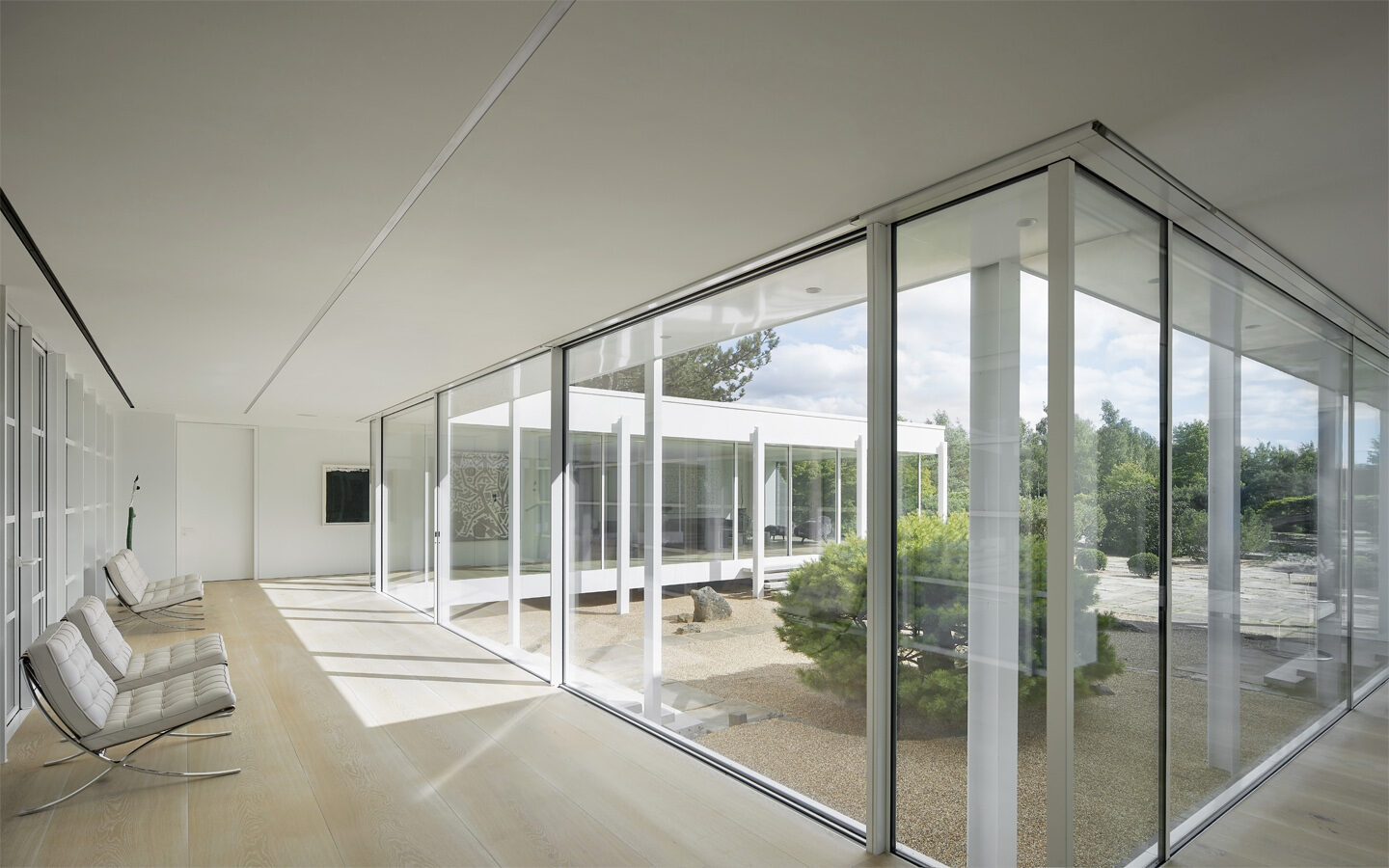
Natural light can completely transform how a home looks and feels. Bright, well-lit spaces often appear larger, calmer, and more welcoming—while also improving comfort, mood, and even energy efficiency. Whether you’re renovating a period property, redesigning a modern layout, or planning an extension, designing for daylight should be a key priority from the start.
Maximising natural light isn’t just about adding bigger windows. It’s about understanding how light moves through your home, how rooms connect, and how materials, layouts, and architectural details work together to create a brighter interior. Below are practical and design-led ways to bring more daylight into your home—without compromising privacy, warmth, or style.
Start With A Daylight-First Layout
One of the most effective ways to increase natural light is to rethink the layout of your home. Even without changing the size of your windows, better planning can allow light to travel further.
Consider layout improvements such as:
- Moving main living spaces to the brightest side of the house
- Placing kitchens, dining areas, and lounges near garden-facing elevations
- Keeping hallways and circulation areas open where possible
- Reducing unnecessary internal walls that block light
- Using partial partitions or glazing instead of solid walls
If you’re renovating, your architect can assess which areas have the strongest daylight potential and reorganise the plan around it.
Use Larger Openings Where It Matters Most
If you’re extending or upgrading your home, enlarging openings can dramatically improve daylight levels. The key is placing glazing where it supports your lifestyle—not just where it looks good.
Options to consider include:
- Full-height sliding or bi-fold doors to the garden
- Large picture windows for uninterrupted views and light
- Corner glazing to brighten darker rooms
- Tall windows that bring in light higher up the wall
- Double-aspect openings to draw light from multiple directions
Bigger isn’t always better everywhere—strategic placement often creates the best results with less heat loss or glare.
Add Rooflights And Skylights For Overhead Light
Overhead daylight is often the most powerful way to brighten a home—especially in terraced properties or homes with limited side windows. Roof glazing brings light into the centre of the floor plan where wall windows can’t reach.
Rooflight ideas include:
- Flat rooflights for rear extensions
- Large skylights above kitchens and dining areas
- Walk-on rooflights for basements
- Lantern rooflights for a more architectural feature
- Rooflights aligned with stairwells to light multiple levels
Rooflights can make even compact spaces feel open, airy, and modern.
Consider Light Wells For Lower Ground Floors
Basements and lower ground floors are common in UK renovations, especially in London homes. These spaces can be beautiful—but they need a smart daylight strategy to avoid feeling gloomy.
Light-enhancing basement solutions include:
- Front or rear light wells with glazing
- Enlarged windows where planning allows
- Internal courtyard cuts for deeper daylight access
- Glazed doors opening onto sunken patios
- Bright internal finishes to reflect light inward
A well-designed light well can turn a basement into a comfortable, high-value living area.
Use Internal Glazing To Share Light Between Rooms
Internal glazing is one of the best design techniques for improving light flow while still keeping rooms functional and defined.
Popular options include:
- Glass partitions between hallway and living areas
- Crittall-style internal doors to divide open-plan spaces
- Glazed screens between kitchen and dining rooms
- Borrowed light panels above doors
- Frosted or reeded glass for privacy without blocking daylight
This approach works especially well in period homes where you want separate rooms but don’t want to lose brightness.
Choose Light-Reflective Colours And Materials
The way your home is finished has a major impact on how bright it feels. Even a well-lit room can appear dull if surfaces absorb light.
To increase light reflection, consider:
- Soft whites, warm neutrals, and pale greys for walls
- Light-toned timber flooring or natural stone
- Satin or eggshell finishes that subtly bounce light
- Gloss or mirrored accents in smaller areas
- Pale cabinetry and worktops in kitchens
You don’t need to make everything white—just use lighter tones strategically where daylight is limited.
Use Mirrors And Reflective Surfaces Strategically
Mirrors are a classic design trick, but they work best when placed intentionally. A mirror facing the right direction can double the sense of brightness in a space.
Effective mirror placements include:
- Opposite a window to reflect daylight deeper into the room
- At the end of a hallway to brighten narrow spaces
- Behind lamps and feature lighting to enhance glow
- As mirrored splashbacks in compact kitchens
- In dark corners where daylight doesn’t reach
Reflective finishes like polished metal, glass, and glossy tiles can also amplify light without needing extra glazing.
Improve Sightlines And Visual Openness
Natural light is not just about brightness—it’s also about the feeling of openness. Improving sightlines helps light travel and makes the home feel more spacious.
Design moves that help include:
- Wider door openings between key rooms
- Removing bulky built-ins that block windows
- Using open shelving instead of tall cabinets
- Aligning openings so you can see through the home
- Choosing slim-framed glazing to reduce visual clutter
A brighter home often comes from fewer obstructions rather than more windows.
Don’t Forget Window Treatments And Shading
Many homes lose natural light simply because window treatments are too heavy. Curtains and blinds should support privacy and comfort without blocking daylight.
Better window dressing choices include:
- Sheer curtains for soft daylight filtering
- Roman blinds that stack neatly above the window
- Roller blinds in light fabrics
- Shutters with adjustable louvres
- Minimal curtain poles placed wider than the window frame
For south-facing rooms, shading can also prevent overheating while still allowing light in.
Balance Natural Light With Privacy And Comfort
Maximising daylight doesn’t mean turning your home into a glass box. A good design balances brightness with comfort, insulation, and privacy.
Key considerations include:
- Overlooking from neighbours and street-facing windows
- Glare control in home offices and living rooms
- Thermal performance of glazing and frames
- Ventilation and airflow (especially in kitchens and bathrooms)
- Orientation—how the sun moves around your home
The best daylight designs feel calm and controlled, not exposed or overly harsh.
Use Professional Design To Unlock Hidden Potential
Many homeowners assume their property is naturally dark, but smart architectural design can reveal opportunities they didn’t realise were possible. This is especially true for:
- Terraced homes with limited side windows
- Period properties with small openings
- Homes with deep plans
- Loft conversions and rear extensions
- Basements and lower ground refurbishments
An experienced architect can use planning, modelling, and spatial design to transform the way light enters and moves through your home.
A Brighter Home Starts With Better Design Decisions
Natural light is one of the most valuable features in any home. It improves how spaces look, feel, and function—creating interiors that feel more open, uplifting, and timeless. Whether you’re reworking your layout, adding glazing, or refining finishes, designing for daylight should always be part of the bigger picture.
If you’re planning a renovation or extension and want to maximise natural light in a way that feels elegant and liveable, Found Associates can help you shape a home that’s bright, balanced, and beautifully designed. Explore their architecture and interiors work at Found Associates.
FAQs related to Maximise Natural Light In Your Home
- What Is The Best Way To Increase Natural Light In A House?
The best methods include improving the layout, adding rooflights, using larger glazing openings, and introducing internal glass partitions to share light between rooms.
- Are Rooflights Better Than Bigger Windows?
Rooflights often bring in stronger, more direct daylight—especially in extensions or deep floor plans—making them a highly effective option.
- How Can I Make A Dark Hallway Brighter Without Major Building Work?
Use light paint colours, mirrors, glazed internal doors, and borrowed light panels to bring brightness into the hallway.
- Does Painting Walls White Really Help With Natural Light?
Yes. Lighter colours reflect more light and can make rooms feel brighter and more spacious, especially in areas with limited windows.
- How Do I Add Natural Light Without Losing Privacy?
Use frosted or reeded glass, high-level windows, rooflights, and carefully placed internal glazing to increase daylight while maintaining privacy.
References
- Planning Portal – Guidance On Home Improvements And Extensions
- Royal Institute of British Architects (RIBA) – Working With An Architect
- UK Government – Building Regulations Approval Overview
- Found Associates – Architecture And Interior Design Practice