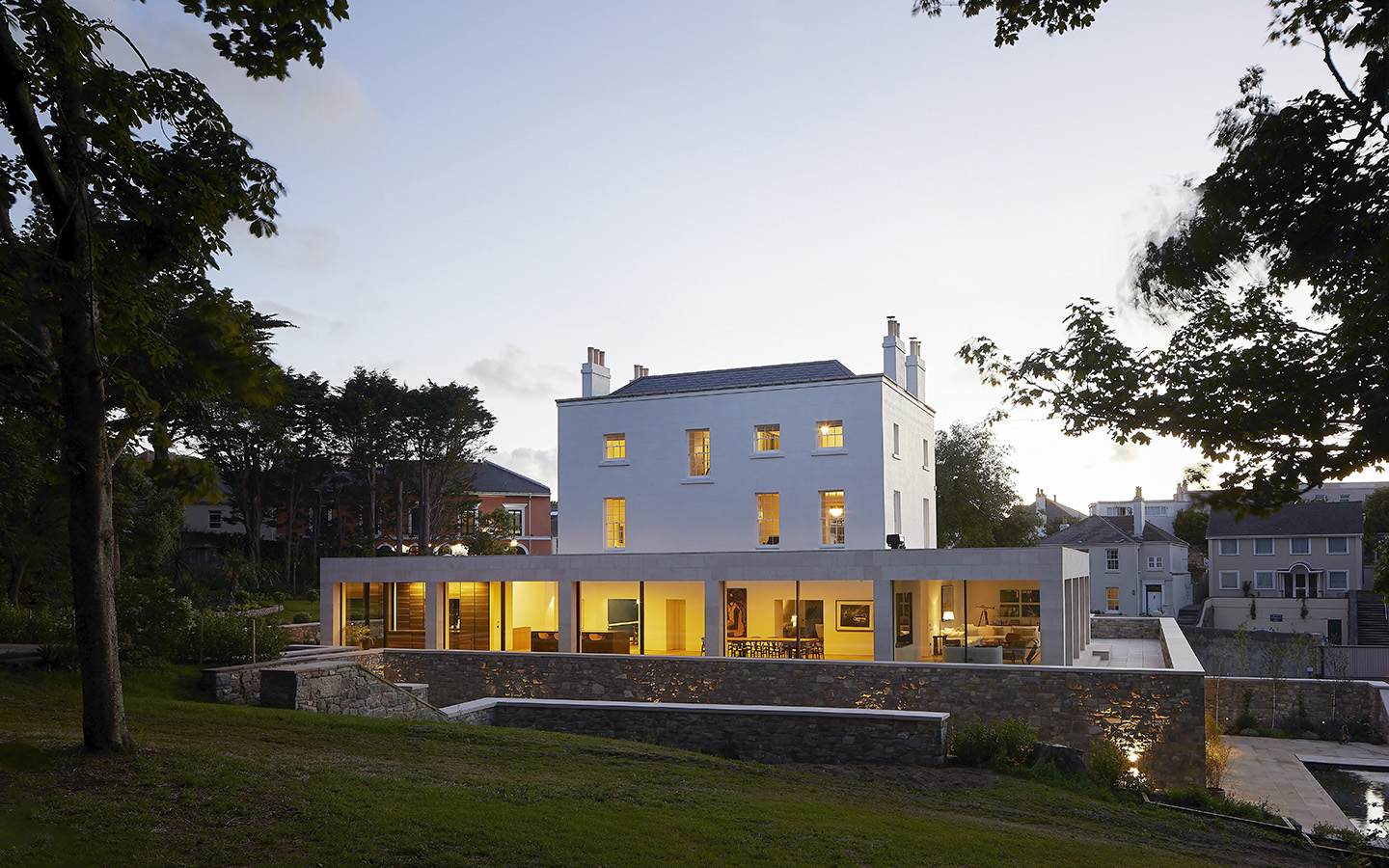
Choosing the right architect for your luxury home in London is one of the most important decisions you will make. A skilled architect not only delivers exquisite design but also navigates the complexities of planning, project management, and construction oversight with precision. This comprehensive guide will help you make an informed choice by covering essential considerations and practical steps.
Understand Your Project Needs
Before you start looking for an architect, it is crucial to have a clear understanding of your project scope and ambitions.
- Are you planning a new build, a renovation, or an extension?
- Consider your lifestyle and how your needs may evolve over time. For example, do you require flexible living spaces or smart home integrations?
- Reflect on any bespoke requirements like sustainability features, accessibility modifications, or specific design styles you prefer.
Clarifying these aspects will help you communicate your vision clearly and find an architect whose expertise aligns with your goals.
Research Reputable Architecture Firms
When selecting an architect, reputation and experience matter significantly, especially for high-end projects.
- Look for firms that have been recognised in prestigious industry lists, such as the House & Garden Top 100.
- Ensure they possess strong knowledge of London’s specific planning regulations and processes, which can be complex.
- Review their portfolio to gauge diversity and versatility — ideally, they should have experience handling various project types, including residential, mixed-use, and possibly international commissions.
Thorough research will help you shortlist firms that have consistently delivered sophisticated designs and smoothly managed projects similar to yours.
Assess Qualifications and Relevant Experience
Professional credentials and relevant experience are key indicators of an architect’s capability.
- Verify that potential architects are registered with bodies like the Royal Institute of British Architects (RIBA) or the Architects Registration Board (ARB), which uphold industry standards.
- Prioritise architects with a proven track record in luxury residential architecture, especially those who have successfully managed intricate refurbishments or listed buildings.
- Confirm that they have delivered projects comparable in style and scale to what you envision.
Experienced architects understand the nuances of combining innovation with heritage sensitivity and can bring creative solutions to challenging sites.
Review Portfolios and Case Studies
Portfolios offer a window into an architect’s style, creativity, and problem-solving abilities.
- Analyse completed projects for design depth and innovation, noting how architects have responded to constraints like site limitations or planning restrictions.
- Look for before-and-after case studies to understand their approach to transformation and enhancement.
- Pay attention to the narratives accompanying projects, as these provide insight into their design thinking and client collaboration processes.
A strong portfolio demonstrates the architect’s ability to create homes that are both beautiful and functional.
Evaluate Design Approach and Collaboration Style
Effective communication and a collaborative mindset are essential for a successful partnership.
- Choose architects who engage actively with clients and adapt their designs based on your feedback and aspirations.
- Transparency is important throughout all stages — from feasibility studies and planning applications to the construction phase.
- Enquire how architects manage conflicts arising from design desires, budget constraints, or project timelines. Their problem-solving approach should balance ambition with practicality.
Good collaboration reduces risks, improves satisfaction, and often enriches the creative process.
Consider Project Management and Full-Service Delivery
High-end projects especially benefit from comprehensive management from design to completion.
- Confirm that your architect can oversee every stage: feasibility assessments, planning approvals, contractor selection, construction supervision, snagging, and final handover.
- A well-managed process minimises costly delays and ensures consistent quality.
- Experience with international or multi-location projects can be advantageous for complex or remote sites.
Choosing an architect who provides full-service management brings peace of mind and smooth project execution.
Schedule Consultations and Compare Proposals
Meeting face-to-face or virtually with shortlisted architects provides valuable insights into their suitability.
- Prepare detailed questions about design philosophy, budget handling, timelines, contingency plans, and communication style.
- Evaluate proposed fee structures and clarify what services and deliverables they include.
- Assess their responsiveness and transparency throughout the consultation process.
Comparing proposals allows you to make a balanced decision based on both qualitative and quantitative factors.
Check Testimonials and References
Past client feedback is a powerful tool for assessing reliability and professionalism.
- Seek references from clients who have undertaken projects similar in scope and complexity.
- Ask specifically about the architect’s creativity, timeliness, communication, and management of challenges.
- Reliable architects will have no hesitation in providing contacts or case studies.
Good references often correlate with smooth project experiences and successful outcomes.
Be Alert to These Red Flags
Learning what to avoid is as crucial as knowing what to seek.
- Unclear, evasive communication or reluctance to show relevant examples is a warning sign.
- Overpromising design excellence without a verifiable track record should be treated cautiously.
- Lack of transparency about fees, timelines, or planning readiness risks unpleasant surprises later.
Trust your instincts and prioritise architects who demonstrate openness, honesty, and evidence of competence.
Selecting the right architect is fundamental to realising your vision of a luxury home in London. The ideal architect combines technical mastery with creative vision, understands planning complexities, and fosters a collaborative relationship throughout the project. Investing time to research, meet, and evaluate candidates will lead to a rewarding partnership that creates a bespoke home reflecting your lifestyle and aspirations.
For those ready to embark on this journey, Found Associates exemplify how expert design and thorough project management come together to deliver sophisticated, personalised homes in London. Explore their portfolio and start discussions to transform your dream into reality with confidence.
FAQs related to Choosing an Architect for a high-end Home in London
- What should I consider when choosing an architect for a luxury home in London?
Consider the architect’s experience with high-end residential projects, their understanding of London’s planning regulations, qualifications such as RIBA membership, communication style, and ability to manage complex projects end-to-end.
- How important is an architect’s portfolio, and what should I look for?
A portfolio showcases an architect’s style, creativity, and problem-solving skills. Look for projects similar in complexity and style to your own, examples of successful renovations or new builds, and client collaboration narratives.
- What qualifications and professional memberships should I verify?
Check that the architect is registered with RIBA (Royal Institute of British Architects) or the ARB (Architects Registration Board), ensuring adherence to professional and ethical standards.
- How can I assess if an architect’s design and collaboration style will suit me?
During consultations, ask about their client engagement process, how they handle feedback and conflicts, and transparency during project phases. Good architects will prioritise clear and ongoing communication. - Why is full project management important in high-end architectural projects?
High-end homes often involve intricate details and regulatory challenges. Full project management ensures smooth handling from feasibility to handover, minimising delays and maintaining high quality throughout the build.
References:
- The Architects Diary – 4 Recommended Best Residential Architects London, UK
- https://thearchitectsdiary.com
- My-Architect.io – The Ultimate Guide to Finding an Architect in London
- https://my-architect.io
- Found Associates – Luxury London Residential Architects
- https://foundassociates.com
- AGA Associates – Luxury Homes | London’s Award Winning Best RIBA Registered Architects
- https://aga-associates.com
- Urbanist Architecture – The Super Turnkey Revolution in Luxury Homes
- https://urbanistarchitecture.co.uk
- Purcell Architecture – Senior Architect: High End Residential
- https://purcellarchitecture.com
- Parker Developments – What To Look For When Choosing The Right Building Contractor
- https://parkerdevelopments.co.uk
- Hayde Construction – High-End Residential Architects London
https://haydeconstruction.com
Gemma Louise – How to Choose The Right Residential Architect For Your Project
https://gemmalouise.co.uk