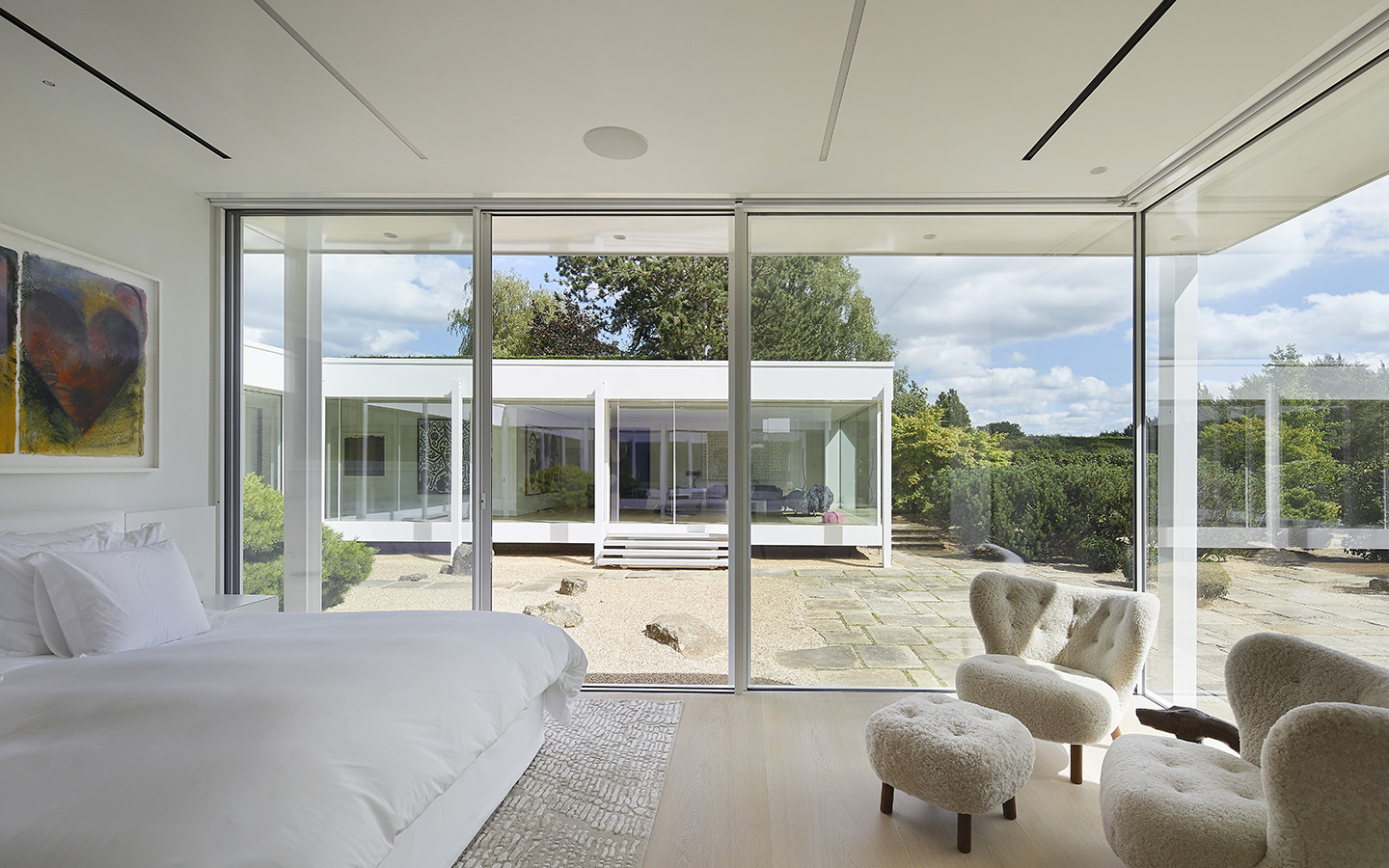
One of the most common questions homeowners ask at the start of a project is how involved they should be in the design process. Some clients worry about being too controlling, while others are concerned about handing over too much creative control. The reality is that successful architectural design is collaborative.
The right level of client input is not about quantity but quality. A well-managed design process balances professional expertise with personal insight. After all, you are the one who will live in the space. Your lifestyle, priorities, and preferences matter just as much as technical precision.
Why Client Input Is Essential
No architect, regardless of experience, can design a truly successful home without understanding the people who will use it. Client input forms the foundation of a meaningful brief.
Your involvement helps clarify:
- How you use your home daily
• What frustrates you about the current layout
• Long-term plans, such as growing families
• Budget expectations
• Style preferences
• Functional priorities
Without this insight, design decisions may look good on paper but fail to support real life.
The Architect’s Role In Guiding The Process
While client input is essential, the architect’s responsibility is to interpret and refine it. Architects translate ideas into workable solutions that meet regulations, structural requirements, and spatial logic.
An architect will:
- Test the feasibility of your ideas
• Identify opportunities you may not see
• Balance design ambition with budget
• Ensure compliance with planning policy
• Coordinate technical consultants
The process works best when clients share aspirations openly and allow professionals to shape those ideas into cohesive design solutions.
Input At The Brief Stage
The early briefing stage is where client involvement should be strongest. This is the moment to communicate clearly what you want to achieve.
Effective contributions at this stage include:
- Defining must-have features
• Identifying spaces that need improvement
• Sharing inspirational images
• Setting realistic financial boundaries
• Explaining lifestyle routines
Clarity early on reduces redesign later. A detailed brief acts as a roadmap throughout the project.
Input During Concept Design
As layouts and ideas begin to take shape, your feedback remains important but should become more focused.
At this stage, you should:
- Review layout options carefully
• Consider how spaces connect
• Reflect on light and flow
• Ask questions about practicality
• Prioritise what matters most
However, constant changes or introducing new ideas at every revision can slow progress. Trusting the design direction once agreed keeps momentum steady.
Avoiding Over-Directing
It is natural to feel protective of your home. However, overly prescriptive direction can restrict creative problem-solving.
For example:
- Insisting on fixed room sizes too early
• Copying a design without adapting it to your property
• Rejecting professional advice on structure or planning
Architects are trained to think spatially and holistically. Leaving room for design exploration often produces stronger results than rigid instruction.
The most successful projects allow dialogue rather than one-sided control.
Decision Making And Responsibility
Clients play a key role in decision-making throughout the process. Timely responses and clear approvals keep the project moving forward.
You are typically responsible for:
- Approving design stages
• Confirming material preferences
• Setting budget limits
• Choosing contractors
• Signing off on planning submissions
Delays often occur when decisions are postponed. Being responsive helps maintain programme timelines.
Collaboration During Technical Design
Once planning approval is secured, the project moves into technical detailing. Client input becomes more specific and focused on materials and finishes.
At this stage, you may be asked to:
- Select window styles
• Confirm internal finishes
• Review kitchen and bathroom layouts
• Approve lighting concepts
Technical compliance and structural detailing remain primarily the architect’s responsibility. However, your aesthetic choices influence the final character of the project.
Striking The Right Balance
So, how much input is too much or too little? There is no exact formula, but balance is key.
Too little involvement may result in:
- A design that feels impersonal
• Misaligned expectations
• Late stage dissatisfaction
Too much control may lead to:
- Design inconsistency
• Increased revisions
• Budget strain
• Slower progress
The ideal approach combines open communication, mutual respect, and clear roles.
Trust And Professional Confidence
Trust is central to any successful design relationship. Once your priorities are understood, allowing the architect to develop ideas with professional confidence often leads to more refined solutions.
An experienced architect can:
- Challenge assumptions constructively
• Improve layout efficiency
• Suggest cost-effective alternatives
• Anticipate planning concerns
Healthy collaboration means listening on both sides. Clients bring lived experience. Architects bring technical and design expertise.
How Input Evolves Through The Project
Client involvement is strongest at the beginning and becomes more selective as the project advances.
Typical pattern of involvement:
- High input during briefing
• Active feedback during concept design
• Focused decisions during technical stages
• Strategic oversight during construction
This gradual shift allows creativity and expertise to guide development while keeping your vision central.
Clients should have meaningful and consistent input throughout the design process, particularly at the briefing and concept stages. However, successful projects depend on collaboration rather than control. Your role is to communicate lifestyle needs, priorities, and preferences clearly. The architect’s role is to interpret those insights into safe, functional, and inspiring spaces.
Striking the right balance ensures the final design feels personal yet professionally resolved. If you are considering a renovation or new build and want a collaborative design experience grounded in clarity and trust, the team at Found Associates can guide you through every stage with transparency and expertise.
FAQs
1. Should I Provide Inspiration Images To My Architect?
Yes. Visual references help communicate style preferences and spatial ideas clearly.
2. What Happens If I Change My Mind During The Design?
Changes are possible, especially early on. However, late-stage changes may affect cost and timelines.
3. Do I Have Final Approval Over The Design?
Yes. Clients approve each stage before moving forward.
4. Can Too Much Input Slow Down The Project?
Yes. Frequent revisions or unclear direction can extend timelines and increase costs.
5. How Do I Ensure My Vision Is Reflected In The Design?
Be clear about priorities at the briefing stage and maintain open communication throughout the process.