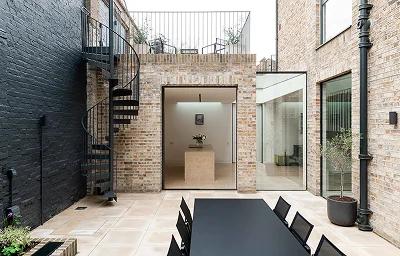
Cities are evolving rapidly, and so too are the ways people live within them. Across the United Kingdom, contemporary residential architects are transforming the landscape of urban living, reimagining what homes can be in densely populated areas. Their work goes beyond creating beautiful spaces; it’s about improving the way people interact with their environments, communities, and lifestyles.
With growing demand for sustainability, flexibility, and quality of life, the role of the best residential architects in the UK has never been more vital. Through innovative design, they are redefining the standards of comfort, style, and practicality for the next generation of city dwellers.
The Role Of Contemporary Residential Architects
At the heart of modern urban living is thoughtful design. Contemporary residential architects balance creativity and functionality to deliver homes that enhance both aesthetics and day-to-day living.
Their approach focuses on:
- Maximising space through intelligent layouts and multi-functional design
- Integrating natural light to create bright, uplifting interiors
- Blending architecture with the environment using local materials and landscape integration
- Enhancing comfort and efficiency through sustainable systems and smart technology
These design principles ensure that urban homes feel spacious, connected, and adaptable — key qualities in today’s ever-changing world.
1. Maximising Space Through Intelligent Layouts
In cities where every square metre counts, intelligent spatial planning is essential. The best contemporary residential architects create layouts that feel open and versatile, even within compact footprints.
Key spatial design strategies include:
- Open-plan living promotes flow and connectivity between the kitchen, dining, and living areas.
- Concealed storage and built-in joinery that reduce visual clutter and enhance calmness.
- Adaptable furniture systems allow spaces to evolve, from home offices by day to entertaining areas by night.
- Sliding partitions and pocket doors that offer privacy or openness on demand.
- Flexible zoning to define areas subtly through lighting, materials, or level changes.
These multi-functional solutions bring clarity and order to urban homes, proving that luxury lies in intelligent design and spatial harmony.
2. Integrating Natural Light To Create Bright Interiors
Natural light remains one of the most transformative elements in architectural design. Contemporary residential architects prioritise both orientation and glazing to bring light deep into every space.
Ways architects maximise natural light:
- Floor-to-ceiling windows that connect interiors with their surroundings.
- Skylights and roof glazing to illuminate upper levels and central corridors.
- Light wells and internal courtyards that bring daylight into enclosed urban plots.
- Double-height spaces create dynamic shifts in light and volume.
- Reflective and pale finishes to amplify brightness throughout the home.
By embracing daylight as a design tool, architects enhance mood, well-being, and perception of space, crafting homes that feel uplifting and attuned to the natural rhythm of the day.
3. Blending Architecture With Environment
Homes that respond to their environment feel grounded, timeless, and authentic. Contemporary residential architects increasingly draw inspiration from their site’s geography, climate, and materials.
Approaches to environmental integration include:
- Using locally sourced stone, timber, or brick to reflect regional character and reduce transport emissions.
- Designing green roofs, terraces, and courtyards to weave nature through the home.
- Framing views and natural features as focal points within interior layouts.
- Soft landscaping and native planting to blur the boundary between architecture and landscape.
- Balancing contemporary forms with traditional proportions to ensure harmony in sensitive urban or rural contexts.
This commitment to locality and landscape results in homes that sit lightly in their surroundings, an understated form of luxury that reflects both respect and restraint.
4. Sustainable Systems And Smart Technology
Modern city living calls for homes that are as efficient as they are elegant. Contemporary residential architects integrate sustainable technologies and intelligent systems to elevate comfort while reducing environmental impact.
Core sustainable and smart design elements include:
- Air-source heat pumps, underfloor heating, and high-performance insulation to optimise energy use.
- Triple glazing and passive design that maintain temperature stability year-round.
- Renewable energy systems, such as solar panels and rainwater harvesting, for long-term resilience.
- Smart home automation to control lighting, climate, and security from anywhere.
- Low-carbon materials and circular design principles that future-proof homes for generations.
These innovations align sustainability with sophistication — where effortless comfort and environmental responsibility coexist in perfect balance.
The Future Of Urban Living
The future of urban living will be defined by adaptability, technology, and community connection. As cities become denser, contemporary residential architects will continue to explore new ways of making urban homes efficient, inspiring, and sustainable.
These evolving concepts show how design can respond to both human and environmental needs, making cities not just places to live, but places to thrive.
Shaping The Future With Found Associates
At Found Associates, we believe that exceptional residential design begins with understanding how people live today and how they will live tomorrow. As one of the best residential architects in the UK, we specialise in creating bespoke homes that blend innovation, sustainability, and timeless elegance.
Our work as high-end residential architects reflects a commitment to craftsmanship, proportion, and clarity. Whether transforming an urban apartment or designing a new contemporary residence, we aim to create architecture that enhances life beautifully and intelligently.
FAQs related to Contemporary Residential Architects
- What defines contemporary residential architecture in the UK?
Contemporary residential architecture blends modern design, sustainability, and functionality. It focuses on open layouts, natural light, and high-quality materials that enhance both aesthetics and everyday living. - How are residential architects transforming urban living?
Architects are reimagining compact city homes through flexible layouts, smart technology, and biophilic design. Their work prioritises comfort, adaptability, and wellbeing within limited urban spaces. - Why is sustainability central to modern residential design?
Sustainability reduces energy use and environmental impact. Contemporary architects use low-carbon materials, renewable energy, and efficient insulation to create durable, eco-conscious homes that also feel luxurious. - Can contemporary design work in historic or period properties?
Yes. Skilled architects balance heritage and innovation by preserving original features while introducing modern extensions and materials that respect the building’s history and enhance functionality. - What makes Found Associates a leading residential architecture firm in the UK?
Found Associates combines timeless design with modern innovation. The studio’s approach integrates craftsmanship, proportion, and sustainability to create bespoke homes that reflect each client’s lifestyle and vision.