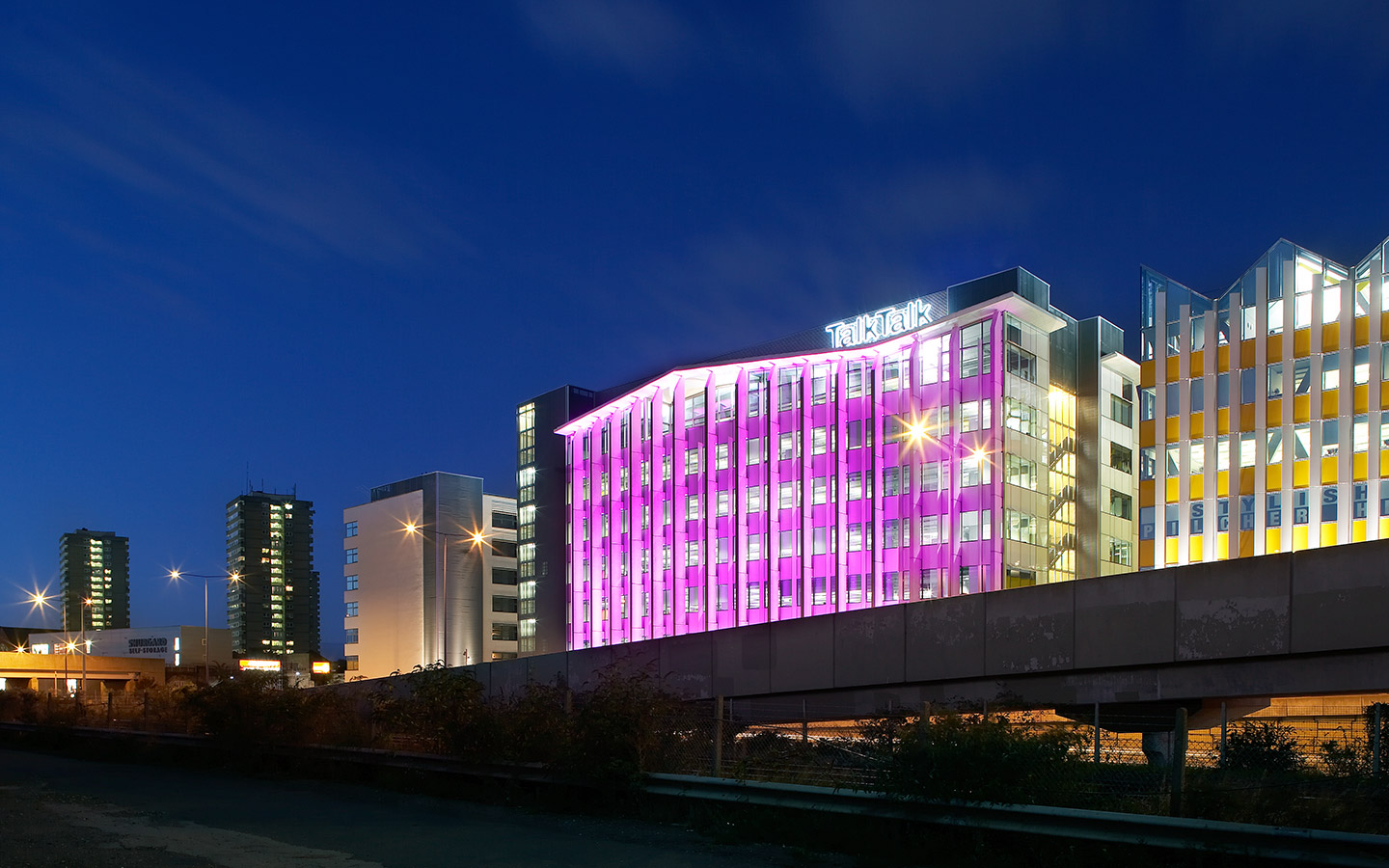
Commercial buildings are more than shells for activity; they communicate who you are and what you value. In the luxury retail, hospitality, and workplace sectors, commercial architecture design has become a critical tool for shaping brand identity. The way a structure looks, feels, and functions influences how people perceive a company long before they interact with a product or employee. This blog explores how architecture can become a strategic medium for brand storytelling across a variety of commercial environments, from flagship stores to headquarters and hotels.
Brand Storytelling Strategies In Commercial Architecture Design
In today’s business landscape, architecture and branding are inseparable. The fusion of commercial architecture design and brand identity is essential for companies seeking to make a lasting impact. The concept of branded environments centres on belonging: brands like Nike, Apple, and Tiffany cultivate spaces where visitors feel part of a larger community. These environments immerse guests in the brand message from the moment they cross the threshold.
Key brand storytelling strategies include:
- Translate values into form. Minimalist façades can express purity or innovation, while textured stone and timber suggest heritage and craftsmanship. A distinctive architectural language becomes a physical manifestation of brand values.
- Cultivate belonging. Branded environments are designed to make customers feel connected to a community. Hotels and flagship stores use curated artwork, signature materials and themed zones to immerse visitors in a narrative.
- Align architecture with marketing. Architectural cues should dovetail with visual identity, packaging and advertising so that every element reinforces the brand. The result is a seamless storytelling experience that extends from online campaigns to the physical space.
Changes In Brand Identity In Different Commercial Architecture Designs
A commercial building must perform multiple roles: it needs to be functional, efficient, and safe while also projecting a clear identity. Commercial architecture design bridges the gap between form and functionality. Unlike residential or industrial projects, it requires a deep understanding of client needs and consumer behaviour. Here’s how you should go about planning the design:
- Understand user behaviour. Map how people enter, move, pause, and decide.
- In retail, big windows, open layouts, and clear wayfinding draw footfall and invite browsing.
- In hospitality and offices, comfort and natural light create memorable experiences, while flexible, ergonomic layouts boost productivity.
Define brand zoning. Divide the space into zones that serve operations and tell your brand story. - In centres, anchors need high-visibility positions, while boutiques work best in more intimate settings.
- In workplaces, use branded breakout areas or innovation labs to express values and support specific activities.
- Maintain consistency across locations. Make every site recognisably part of the same family. Repeat core cues—materials, proportions, lighting rhythms, and signature colours. This instant recognition builds trust and helps customers identify you quickly.
Types of Commercial Spaces And Their Brand‑Shaping Priorities
| Commercial space | Brand‑shaping priorities |
| Offices | Flexible layouts, technology integration, and employee wellbeing; incorporate collaborative zones that reflect company culture |
| Retail stores | Visibility (display windows), intuitive navigation, thematic interior elements, encourage exploration and storytelling |
| Hospitality (hotels/cafés) | Warm lighting, comfortable seating, locally inspired details, create memorable guest experiences tied to the brand |
| Mixed‑use & cultural spaces | Clear zoning for retail, dining, and event areas; adaptive structures to host diverse functions; emphasise community engagement |
Commercial Interior Architecture And Customer Journey
Interior spaces shape how people move, interact, and remember a brand. A thoughtful commercial interior architecture strategy turns the customer journey into an experience.
- Map the customer journey.
Designers should anticipate how clients will move through the space, using intuitive paths and clear signage to guide them. Hospitality venues might lead guests from a lively lobby to quieter lounges, while retail shops encourage exploration through curated zones. - Use material and lighting cues.
Changes in flooring, ceiling height, and lighting can signal transitions between zones and direct attention to hero products. Natural light and warm tones help create inviting atmospheres. - Incorporate experiential touchpoints.
Interactive displays, digital kiosks, and art installations can enrich the customer journey in retail and hospitality settings. These elements encourage visitors to engage physically and emotionally with the brand.
Materiality, Craftsmanship, and Authenticity In Commercial Architecture Design
Guidelines for material and craftsmanship choices in retail design:
- Durability and maintenance: Commercial environments see heavy use; materials must withstand wear and still look refined. Natural stone and engineered wood are practical yet luxurious.
- Sensory impact: Tactile textures, acoustic treatments, and carefully chosen palettes contribute to a multi‑sensory experience that reinforces the brand.
- Sustainability: Reclaimed wood, low‑carbon concrete, and energy‑efficient lighting reduce environmental impact and align with modern consumer values.
- Artisanal details: Custom joinery, murals, or locally sourced artwork connect the space to its context, enhancing authenticity.
Technology And Experiential Retail Design
Emerging technologies shaping architecture in branded commercial environments:
- Façade‑integrated lighting: Dynamic LED systems enable buildings to express brand colours and messages in real time, creating an eye‑catching identity.
- Building automation and IoT: Sensors and automation systems personalise lighting, climate, and media for visitors, improving comfort and efficiency while reinforcing technological sophistication.
- Augmented reality (AR) and digital walls: AR displays allow customers to visualise products or design options, bridging online and offline experiences. Digital walls can tell stories or showcase campaigns.
- Wearable spatial computing: In the near future, wearable devices and spatial computing technologies may allow deeper interaction with the built environment.
Commercial Architecture Is A Living Brand Signature
Commercial architecture design is a living expression of brand identity. Buildings that successfully reflect a brand’s values become lasting signatures that differentiate organisations in competitive markets.
Looking to craft commercial environments that amplify your brand? Found Associates specialises in designing bespoke offices, retail spaces, and hospitality venues that fuse brand identity with retail design.
Our award‑winning team works across London and the UK to deliver branded environments and commercial interior architecture that elevate experiences.
FAQs related to Commercial Architecture Designs
Q1. What is commercial architecture design?
It refers to the design and construction of buildings intended for commercial purposes – such as offices, retail stores, restaurants, and hotels. Commercial architecture balances form and function while reflecting the client’s brand identity.
Q2. How does architecture influence the customer journey in retail?
Clear navigation, engaging displays, and comfortable layouts encourage customers to explore, dwell, and interact with products. Material and lighting cues help shape emotions and memories.
Q3. Why is sustainability important in commercial architecture?
Sustainable design is now an industry standard. Using energy‑efficient systems and eco‑friendly materials reduces environmental impact and communicates social responsibility. Authentic sustainability efforts enhance brand credibility.
Q4. What role does technology play in branded environments?
Technology enriches experiences by integrating digital signage, façade lighting, automation, and interactive installations. These tools personalise environments, communicate messages, and bridge physical and digital channels.
Q5. How can Found Associates help with commercial architecture design?
Found Associates offers end‑to‑end services for offices, retail spaces, and hospitality projects. We specialise in creating bespoke, sustainable, and technologically integrated branded environments that reflect your brand’s values and engage your audiences.