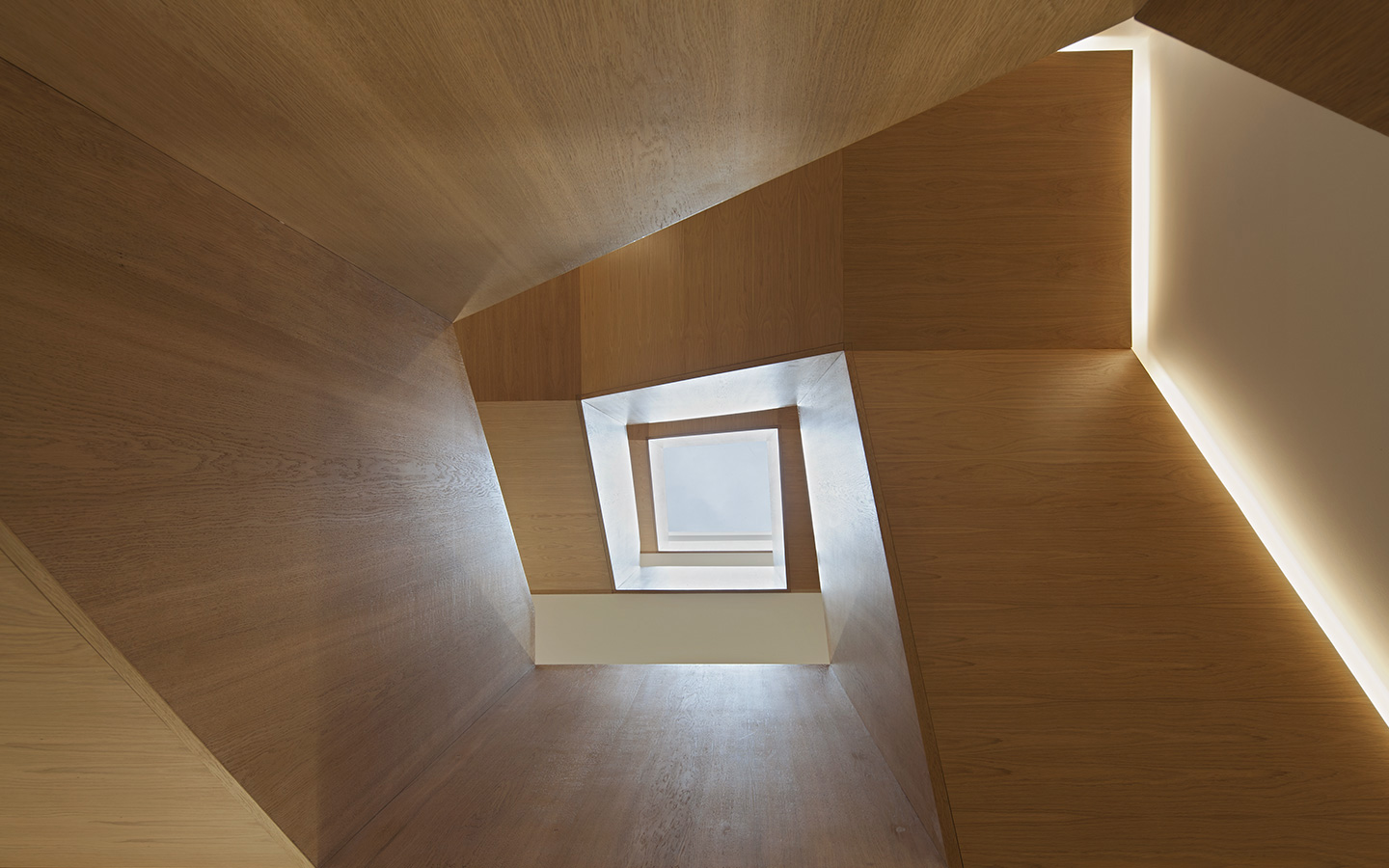
Sustainability has become a central focus in modern architecture, particularly in the luxury residential sector, where environmental responsibility meets aesthetic excellence. As homes become more bespoke and performance-driven, the choice of materials is critical. Sustainable materials not only reduce a building’s carbon footprint but also contribute to healthier living environments and long-term durability. Found Associates embraces these principles, integrating innovative, eco-friendly materials into their designs to create timeless, future-proof homes. Here are five sustainable materials that are reshaping contemporary architecture today.
1. Carbon-Capturing Concrete
Concrete is fundamental to modern construction but traditionally has a high carbon footprint. The emergence of carbon-capturing concrete offers an exciting solution.
- This innovative concrete absorbs carbon dioxide during its curing process, which reduces overall emissions associated with production.
- It maintains the high strength and durability properties expected from traditional concrete, making it suitable for a variety of structural applications.
- Additionally, carbon-capturing concrete contributes to a building’s long-term environmental performance by locking away CO₂ permanently.
This material is increasingly being tested in high-end residential projects where robust and sustainable foundations and structural elements are desired, combining innovation with responsibility.
2. Hemp-Based Construction Products
Hemp has emerged as a versatile and sustainable building material, especially in green architecture circles.
- Hempcrete, a bio-composite material, mixes hemp fibres with lime and water to form a lightweight, insulating material that is naturally resistant to pests and mould.
- It is carbon negative: hemp plants absorb more CO₂ than released during hempcrete production.
- This material offers excellent thermal insulation, improving energy efficiency and occupant comfort.
- Beyond hempcrete, hemp fibres and composites are used in panels, flooring, and finishes, adding textural warmth and sustainability.
Hemp-based products are ideal for natural, breathable buildings and are gaining traction in modern luxury renovations and new builds, aiming to reduce environmental impact.
3. Recycled and Reclaimed Materials
Recycling and reusing materials play a critical role in sustainable architecture by conserving resources and reducing waste.
- Recycled steel is popular for its strength and recyclability, used in frameworks and detailing.
- Reclaimed wood introduces character and history while sparing forests and limiting embodied carbon.
- Recycled plastics are also being innovatively repurposed into insulation, tiles, and decorative elements.
Utilising recycled materials adds a unique aesthetic dimension to homes, often blending raw textures with contemporary elegance. It also aligns with circular economy principles by giving materials a second life.
4. Self-Repairing Concrete
Cracking and maintenance challenges in concrete structures have driven research into self-repairing materials.
- Self-healing concrete contains bacteria or chemical agents that activate to seal cracks autonomously when water penetrates.
- This reduces the need for costly repairs, extends the lifespan of concrete elements, and minimises material wastage.
- Enhanced durability makes it attractive for foundations, facades, and pathways in luxury homes with complex designs.
Self-repairing concrete reflects the future of intelligent materials, enabling buildings to maintain their integrity and beauty with minimal intervention.
5. Temperature-Regulating Materials (Phase Change Materials – PCMs)
Energy efficiency and occupant comfort are enhanced by smart materials like PCMs that modulate indoor temperatures.
- PCMs absorb excess heat when temperatures rise and release it when temperatures fall, maintaining thermal stability.
- Integrating PCMs into walls, ceilings, or flooring reduces reliance on heating and cooling systems, cutting energy consumption.
- These materials work well with other green technologies such as solar panels and ventilation systems to create holistic, sustainable homes.
PCMs exemplify how materials are evolving to not only perform structurally or aesthetically but also contribute actively to energy management.
The landscape of modern architecture is rapidly changing, with sustainability and innovation at its core. Materials like carbon-capturing concrete, hemp-based products, recycled elements, self-healing concrete, and temperature-regulating PCMs are redefining how luxury homes are conceived and built. These materials offer tangible environmental benefits, enhanced durability, and aesthetic richness, enabling architects to push creative boundaries responsibly.
Found Associates is committed to integrating these cutting-edge sustainable materials into their bespoke architecture projects. Their collaborative design process ensures that each home not only meets high standards of craftsmanship and beauty but also minimises environmental impact and supports the lifestyle aspirations of the client.
If you are considering a new build or renovation and want to explore sustainable design possibilities, Found Associates’ expertise can guide you through selecting the best materials and solutions tailored to your unique vision. Engage with a team that balances innovation, tradition, and sustainability to create homes that are truly ahead of their time.
FAQs related to 5 Sustainable Materials That Are Redefining Modern Architecture
- What are the benefits of using carbon-capturing concrete in modern architecture?
Carbon-capturing concrete absorbs CO₂ during curing, significantly reducing greenhouse gas emissions. It offers durability and strength comparable to traditional concrete, making it a sustainable choice for building foundations and structures.
- How does hemp-based construction support sustainability?
Hempcrete and other hemp-based products are renewable, carbon-negative materials that provide excellent insulation and are resistant to pests and mould. They improve energy efficiency and reduce environmental impact.
- Why should architects use recycled and reclaimed materials?
Using recycled steel, reclaimed wood, and recycled plastics conserves natural resources, reduces waste, and lowers embodied carbon in construction, all while adding unique aesthetic and historical value to buildings.
- What is self-repairing concrete, and how does it improve building longevity?
Self-repairing concrete contains bacteria or chemical agents that autonomously seal cracks, preventing damage progression. This innovation reduces repair needs, extends building lifespan, and supports sustainable maintenance.
- How do temperature-regulating materials enhance energy efficiency?
Materials like phase change materials (PCMs) absorb, store, and release heat to stabilise indoor temperatures. This reduces heating and cooling demands, lowering energy consumption and improving resident comfort.
References:
- University of Tokyo research on carbon capture in concrete
https://www.u-tokyo.ac.jp/en/ - Nature article on CO2 sequestration while strengthening concrete (X Fu et al.):
https://www.nature.com/articles/s41467-024-28560-3 - Royal Society Publishing on carbon capture and storage in low-carbon concrete
https://royalsocietypublishing.org/doi/10.1098/rsta.2023.0198 - ScienceDirect comprehensive review on carbon sequestration and storage in concrete
https://www.sciencedirect.com/science/article/pii/S1364032123006469 - American Chemical Society study on integrated carbon capture in the cement sector
https://pubs.acs.org/doi/10.1021/acssuschemeng.3c04125
University of Michigan news on carbon capture mining cement ingredients
https://news.umich.edu/carbon-capture-method-mines-cement/