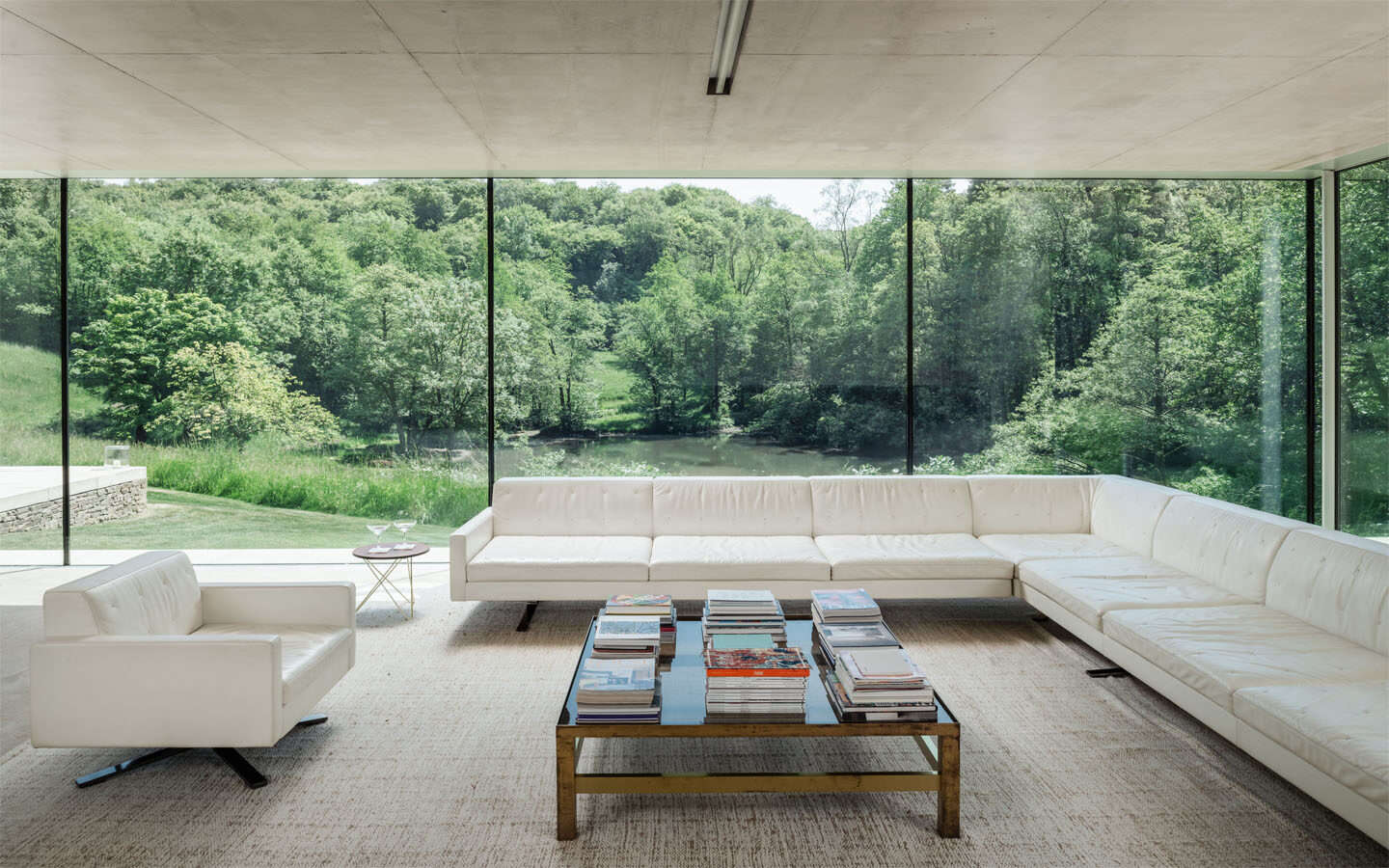
There is a noticeable difference between an architecture studio that produces attractive drawings and a bespoke architecture practice that designs around real life. The difference is not simply style. It is depth. A bespoke practice begins with the client, the site, the planning context, the budget, and the long-term ambition for the property. The result is not a house that could belong anywhere. It is a home shaped precisely for its setting and the way its owners want to live.
In the UK, that distinction matters even more. Homes often sit within complex planning rules, conservation contexts, tight urban plots, or listed settings. A bespoke architect does not force a pre-set formula onto these conditions. They use them to create something more intelligent, more refined, and more valuable over time.
What Bespoke Really Means In Architecture
Bespoke architecture is often misunderstood as simply “high-end” or “custom”. In practice, it means the design process is tailored from the beginning. The architect is not selecting from a template. They are developing a response to a specific brief, site, and client ambition.
That includes understanding how the home should feel day to day, how light should move through it, where privacy matters, how storage should be integrated, and how the design should age gracefully over time.
A bespoke process usually includes:
• A detailed briefing phase
• Site-specific design testing
• A tailored material and spatial strategy
• Planning guidance based on the property’s context
• Technical coordination that protects the original vision
Why Context Is So Important In The UK
A bespoke architecture practice in the UK must be fluent in context. That means more than reading a site plan. It means understanding local authority expectations, streetscape character, heritage sensitivity, neighbouring amenity, and buildability constraints.
In London especially, one project may involve a mews house, another a listed townhouse, and another a contemporary extension in a conservation area. Each demands a different approach. A bespoke architect reads these layers carefully and uses them to guide better design decisions.
Context-led design often considers:
• Planning restrictions and local policy
• Existing building character
• Light, orientation, and overlooking
• Access, structure, and construction logistics
• The property’s future resale appeal
The Brief Should Shape The Architecture
One of the clearest markers of a bespoke architecture practice is how seriously it takes the brief. Strong architects do not rush past the early conversations. They use them to uncover what the project actually needs, not just what the client first assumes they want.
That may involve refining priorities, identifying overlooked opportunities, and translating lifestyle requirements into architectural decisions. A good brief leads to a home that feels coherent rather than decorative.
This often covers:
• Daily routines and household patterns
• Entertaining, working, and family life
• Storage and utility needs
• Long-term flexibility
• Emotional qualities such as calm, privacy, or openness
Bespoke Design Is Not About Excess
There is a tendency to associate bespoke design with extravagance. In reality, the most sophisticated bespoke homes are often the most disciplined. They avoid unnecessary gestures and focus instead on proportion, light, material quality, and usability.
A bespoke architecture practice knows when to do less. It understands that restraint can create elegance, and that value often comes from solving the plan brilliantly rather than adding visual complexity.
This is why the best bespoke homes tend to feel:
• Calm rather than busy
• Refined rather than showy
• Functional without feeling utilitarian
• Distinctive without relying on trends
Technical Depth Protects Design Quality
Beautiful concept work is not enough. A bespoke architecture practice must also carry that design quality through planning, technical detailing, tendering, and construction. This is where many projects lose their integrity.
When architects stay closely involved, they can protect proportions, coordinate consultants properly, and resolve details before compromises become expensive. Bespoke work is not only about imagination. It is also about control.
Technical strength helps by:
• Reducing redesign later in the process
• Improving cost certainty
• Coordinating structure, lighting, and interiors
• Protecting material quality on site
• Delivering a more faithful built result
Why Clients Feel The Difference
Clients usually recognise a bespoke practice not by the drawings alone, but by the experience of working with them. They feel heard. The design evolves logically. Problems are anticipated early. The house begins to reflect their priorities in a way that feels natural rather than imposed.
That level of attention often leads to better planning outcomes, smoother decision-making, and stronger long-term satisfaction with the finished home.
Clients often value:
• Clear communication and structured guidance
• Design decisions tied to real needs
• A process that feels thoughtful rather than rushed
• Confidence that the architect is protecting quality
• A final result that could not have been copied elsewhere
What truly defines a bespoke architecture practice in the UK is not a single aesthetic or price point. It is the ability to create architecture that is deeply specific to the client, the site, and the wider context. A bespoke process produces homes that work better, feel more resolved, and hold their value more convincingly because they have been designed with care rather than assembled from assumptions.
If you want a more thoughtful and tailored design experience, Found Associates can help shape a home that is individual, elegant, and enduring.
FAQs About Architecture Practice In The UK
- What Is A Bespoke Architecture Practice?
It is a practice that develops each project as a tailored response to the client, site, planning context, and long-term goals rather than using repeatable templates. - Is Bespoke Architecture Only For Large Luxury Homes?
No. The approach can improve projects of many sizes because it focuses on fit, quality, and context rather than scale alone. - Why Is Bespoke Design Valuable In London?
London projects often involve tight plots, heritage issues, and complex planning conditions that need a more site-specific response. - Does Bespoke Architecture Cost More?
The fee may be higher than a basic drafting service, but the outcome is usually better coordinated and more valuable in the long term. - How Do You Know If A Practice Is Truly Bespoke?
Look at how they handle briefing, context, detail, and project involvement, not just the visual style of their portfolio.