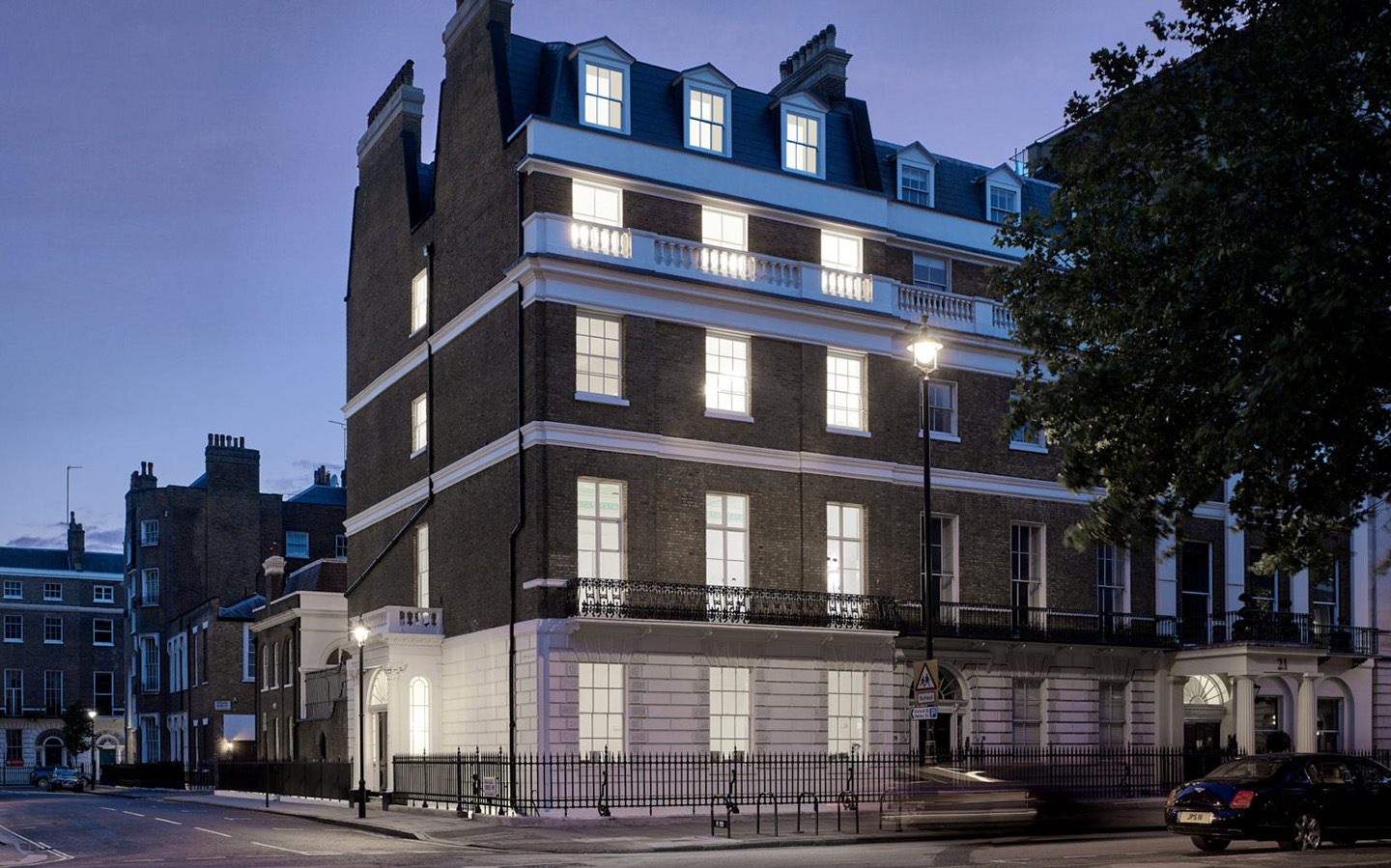
London is a city of layers. Georgian terraces, Victorian streets, post war estates, and contemporary infill projects sit side by side. In this environment, the strongest buildings are rarely those that ignore their surroundings. Contextual architecture is a design approach that responds to the physical, cultural, and environmental conditions of a place, rather than applying a one-size-fits-all style.
For homeowners and developers, contextual design matters because it often improves planning outcomes, creates more comfortable spaces, and produces architecture that feels grounded rather than generic. In London, especially, where local character, neighbours, and policy constraints shape what is possible, context is not a nice-to-have. It is a practical design tool.
What Context Actually Means
Context is more than the look of the buildings next door. It includes street rhythm, scale, rooflines, boundary conditions, and how neighbouring homes relate to the public realm. It also includes less visible factors such as sunlight, privacy, noise, views, and how people move through and use the area.
Architects read context to understand what makes a place work. They then use that understanding to inform massing, proportions, openings, and how inside and outside connect. This creates designs that feel intentional and appropriate, even when they are contemporary.
- Street rhythm, scale, and building lines
• Material character and façade proportions
• Sun path, overlooking, and noise conditions
• Public realm relationships like entrances and thresholds
Why Contextual Design Improves Planning Success
Local authorities often assess whether a proposal preserves local character and avoids harm to neighbours. In many London boroughs, design policies explicitly reference townscape, conservation guidance, and the cumulative impact of development. Contextual architecture helps demonstrate that a project belongs, even when it introduces new elements.
This does not mean copying. It means understanding what is valued and responding intelligently. A well-argued contextual design can reduce objections, strengthen the planning narrative, and make officer decisions easier because the proposal clearly fits within the logic of the area.
- Better alignment with local design guidance
• Reduced objections related to scale and character
• Stronger justification for contemporary interventions
• Improved neighbour relationships through considered massing
Balancing Old And New In Extensions And Retrofits
Much of London’s residential work involves extending or adapting existing homes. Contextual architecture can create a strong dialogue between original and new elements through proportion, material choice, and careful junction detailing. The goal is coherence. The extension should feel like a deliberate piece of architecture, not an add-on that disrupts the building.
In many cases, the strongest solutions use contrast in a controlled way. A contemporary rear extension can work beautifully against a Victorian terrace when the scale is right, the openings are composed thoughtfully, and the materials feel considered rather than arbitrary.
- Respecting the existing building’s structure and geometry
• Using contrast in a controlled, balanced way
• Aligning new openings with internal function and light needs
• Detailing junctions so old and new meet cleanly
Context Is Also Environmental
Context includes climate and comfort. London homes face increasing overheating risk in summer, higher expectations around energy performance, and ongoing challenges related to noise and air quality in dense areas. A contextual approach considers these realities early rather than treating them as technical add-ons later.
This affects window design, ventilation strategy, shading, insulation, and how internal layouts relate to noisy streets versus quieter gardens. When these decisions are made as part of the design, homes feel more comfortable and perform better long term.
- Orientation-led planning for daylight and overheating control
• Window and façade strategies that respond to noise and privacy
• Ventilation routes designed for real daily use
• Fabric first performance improvements integrated early
Context Inside The Home
Context is not only external. Internally, it means responding to how the home is used and how conditions change from front to back. For example, many London terraces have different light and noise conditions on the front street side compared to the rear garden side. A contextual plan places the right rooms in the right locations.
It also considers the existing structure. Rather than forcing a generic layout, contextual design works with the building’s constraints and opportunities, such as stair positions, party walls, and window locations, to create a plan that feels natural.
- Locating living spaces where light is best
• Protecting privacy from the street through zoning
• Using quieter rear zones for rest and retreat
• Designing circulation to reduce wasted space
Why Contextual Architecture Matters For Long Term Value
Buildings that feel connected to place tend to age better. They are less likely to feel dated quickly because their design choices are anchored in local character and environmental reality rather than short-lived trends. In London, where buyers often value coherence, heritage sensitivity, and well-resolved extensions, contextual design can support desirability and resilience over time.
Contextual architecture can also reduce risk. A design that respects neighbours and policies is less likely to face planning refusal, enforcement issues, or disputes, which protects both programme and resale confidence.
- Timeless fit with local character
• Better planning, resilience, and reduced redesign risk
• Reduced likelihood of neighbour conflict and objections
• Stronger buyer confidence in design quality and coherence
Contextual architecture is about designing with the place, not against it. In London, context includes street scale, materials, heritage character, privacy, daylight, and the environmental realities of dense urban living. When architects respond to these factors, projects are more likely to gain approval, feel comfortable, and age well over time.
If you are planning a London home extension, refurbishment, or commercial project and want architecture that feels grounded, intelligent, and appropriate to its setting, Found Associates can help you shape a contextual design strategy from concept through delivery.
FAQs
Does Contextual Mean Copying The Neighbours?
No. It means responding to scale, rhythm, and material character, while still allowing contemporary design where appropriate.
Why Do Councils Care About Context?
Because proposals should respect local character, protect neighbours, and contribute positively to the street and area.
Can A Modern Extension Still Be Contextual?
Yes. A modern extension can be contextual through proportion, massing, and careful material choices that relate to the existing building.
How Does Context Affect Internal Layout?
It influences where light is best, where noise is strongest, and how privacy should be managed from front to back.
Will Contextual Design Help Resale?
Often yes. Buyers tend to value homes that feel coherent, well considered, and appropriate to their setting.