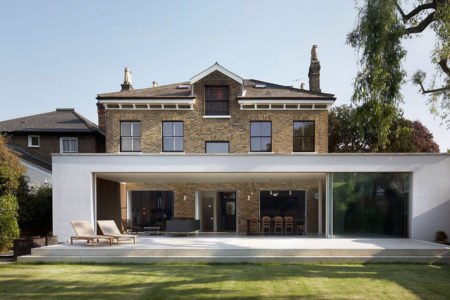
How much does it Cost to Extend a House in London?
Why extend my house? The main benefit of deciding to extend a house in London is that it provides an opportunity…
Why extend my house? The main benefit of deciding to extend a house in London is that it provides an opportunity…

Over the last few years, pop-up shops have been literally popping up all over the UK. This increasingly popular retail…

Pop-up retail, otherwise known as temporary retail or flash retail, is an increasingly popular phenomenon in the UK and beyond.…

What’s the most important aspect of a successful working environment? While many elements contribute to a great team dynamic, trust…

Fundamentally, the property industry is about designing and creating beautiful, comfortable and functional places for people to live and work.…
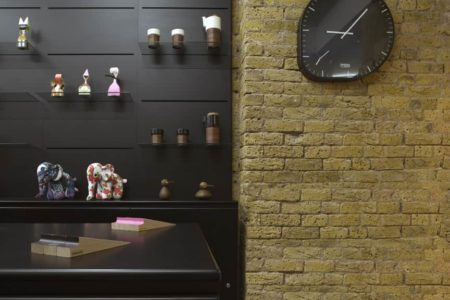
What is a Pop Up Shop? Pop up shops, a trend started in LA in the 1990’s show no signs…

Retail design is never just about how a store looks. It is about how it guides attention, shapes movement, and invites people to stay long enough to connect with the product and the brand. In an era where online browsing is effortless, physical retail has to earn every extra minute of customer engagement. That is why good retail store design matters so much.
For brands in London, especially, store environments often need to work hard. They must communicate identity quickly, manage customer flow elegantly, and create an experience that feels both intuitive and memorable.
Dwell time is a strong indicator of retail engagement because the longer customers remain comfortably in a space, the more likely they are to explore, interact, and buy. But increasing dwell time in retail environments successfully achieved is not about slowing people down artificially. It is about removing friction and giving them reasons to move further into the store.
This usually depends on:
• Clear entry experience
• Legible product zoning
• Comfortable pacing through the space
• Focal points that reward movement
• Atmosphere that supports browsing rather than rushing
A strong retail layout strategy is based on how people actually move, pause, and make decisions. The plan should consider sightlines, product hierarchy, adjacencies, and the rhythm between open space and display density. When the layout is underdeveloped, even a visually attractive store can feel confusing or tiring.
A good layout strategy often includes:
• A clear decompression zone at entry
• Strong visual anchors deeper in the store
• Product groupings that make intuitive sense
• Smooth transitions between display zones
• Checkout placement that supports flow rather than blocks it
Customer flow store design is one of the most practical tools in retail architecture. It shapes the route people are likely to take, where they will slow down, and which products receive attention. Good flow is subtle. It feels natural while guiding customers through a richer experience of the brand.
Customer flow store design can improve:
• Product visibility
• Time spent in key areas
• Ease of navigation
• Queue management
• Overall comfort in the space
Experiential retail interiors aim to make the store more than a transaction point. They create atmosphere, interaction, and identity. This does not require gimmicks. Often, the most effective experience comes from material quality, lighting, tactility, and moments of pause that invite customers to stay.
Experiential retail interiors may include:
• Feature displays with storytelling value
• Seating or consultation zones
• Lighting that guides attention deliberately
• Materials that reinforce brand character
• Flexible areas for launches or changing collections
Increasing dwell time retail performance often depends on details that seem modest in isolation. Better sightlines, improved fitting room placement, more intuitive circulation, or a clearer relationship between hero products and supporting merchandise can all transform how the store performs.
That is why retail store design should be handled strategically, not just decoratively.
Well-considered retail design often improves:
• Customer comfort
• Brand recall
• Staff efficiency
• Product discovery
• Return visits
As shopping becomes more digital, the physical store needs to justify its presence through quality of experience. That makes architecture more important, not less. The best retail spaces combine commercial intelligence with spatial refinement. They feel effortless to move through, aligned with the brand, and strong enough to hold attention in a crowded market.
Retail store design is most effective when layout, atmosphere, and brand story work together. From retail layout strategy to customer flow, store design and experiential retail interiors, the goal is to create a space where people want to stay, explore, and return. That is what turns design into performance.
For brands looking to elevate physical retail, Found Associates designs store environments that balance commercial clarity, customer experience, and a refined architectural identity that strengthens engagement and dwell time.
5. What Are Experiential Retail Interiors?
They are retail environments designed to create memorable, brand-led experiences rather than purely functional transactions.
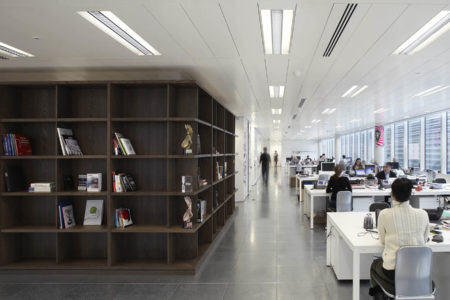
The office no longer needs to do what it did a decade ago. For many businesses, routine desk work can happen anywhere. What the workplace now needs to offer is focus, collaboration, culture, and a reason to come together. That shift has changed the design brief significantly, which is why the role of an office fit-out architect that London businesses appoint has become more strategic than ever.
A successful office fit-out is not just a visual refresh. It is a careful response to how the organisation works, how teams interact, and how the space should support both flexibility and performance.
Hybrid workplace design is no longer a trend. It is a planning reality for many companies. Offices now need to accommodate varied patterns of use, including collaborative sessions, focused individual work, informal meetings, events, and quiet video calls. That means density, acoustic planning, circulation, and amenity all need fresh thinking.
A good office fit-out architect London team will help translate these patterns into a more intelligent brief.
This often involves:
• Understanding team attendance patterns
• Balancing collaboration and concentration
• Creating varied work settings rather than uniform desk rows
• Designing for both culture and utility
Office space planning for London projects requires is rarely just about fitting more people in. It is about making the right adjacencies, movement patterns, and zoning decisions so the workplace feels effortless to use. When space planning is weak, offices quickly feel noisy, fragmented, or underperforming.
Strong office space planning in London schemes often focuses on:
• Reception and first impression
• Shared collaboration areas
• Quiet rooms and acoustic separation
• Meeting spaces of different scales
• Storage, support, and back-of-house efficiency
The CAT A vs CAT B fit-out distinction is one of the first things occupiers and landlords need to understand. CAT A typically refers to a more basic fit-out that provides the essential infrastructure and a finished base building interior, while CAT B usually refers to the tenant-specific fit-out that includes the working environment itself.
Understanding the CAT A vs CAT B fit-out scope helps businesses:
• Clarify responsibility between landlord and occupier
• Budget more accurately
• Plan design and delivery stages properly
• Avoid duplication or missed items
The office fit-out process should move from strategy to delivery in a structured way. It normally begins with a briefing and workplace analysis, then moves into concept design, spatial planning, technical coordination, procurement, and build. Each stage needs to balance design quality with programme and operational constraints.
A typical office fit-out process includes:
• Briefing and workplace strategy
• Measured surveys and test fits
• Concept and design development
• Technical detailing and consultant input
• Tendering and contractor appointment
• Build-stage coordination and completion
A well-designed hybrid office feels legible and adaptable. It supports different working modes without becoming visually chaotic. It also helps express the company’s identity through materiality, planning, and atmosphere rather than relying on surface-level branding alone.
Good workplace design often improves:
• Staff experience
• Space efficiency
• Team interaction
• Acoustic comfort
• Brand perception for visitors and clients
The modern office needs to justify itself through quality of experience and clarity of function. That is why appointing the right office fit-out architect London practice matters. From hybrid workplace design to CAT A vs CAT B fit-out decisions and the wider office fit-out process, the strongest projects are the ones that combine strategic briefing, thoughtful planning, and disciplined delivery.
For businesses creating more intelligent hybrid workplaces, Found Associates develops office environments that bring together spatial clarity, operational logic, and a refined architectural approach from brief to build.
5. What Does The Office Fit-Out Process Include?
It generally includes strategy, concept design, technical coordination, procurement, and construction.

A commercial space does more than hold a business. It signals quality, shapes behaviour, and communicates what the brand stands for before a word is spoken. Whether the project is a workplace, hospitality venue, retail unit, or mixed-use environment, the architecture has to perform strategically as well as visually. That is why choosing a commercial architect London business owners can trust is such an important decision.
The right practice will do more than produce a polished scheme. It will understand how brand identity, operational performance, customer experience, and compliance need to work together in one coherent environment.
A commercial architect’s London practice is typically coordinating far more than layout. They may be involved in briefing, site analysis, planning review, compliance coordination, concept development, fit-out design, consultant management, and delivery support. In commercial work, design decisions often have direct operational and financial consequences.
That means the architect needs to understand the following:
Brand experience design is one of the biggest reasons to appoint a strong commercial architect rather than treat the space as a simple fit-out exercise. A good environment supports brand perception through atmosphere, materiality, proportion, and sequencing. It creates consistency between what the business says and what the customer actually feels on arrival.
This can shape:
• First impressions
• Customer confidence
• Dwell time and engagement
• Staff pride and workplace identity
• Long-term memorability
Many businesses begin by looking at portfolio images, which is natural, but style alone is not enough. A practice may produce attractive work and still be the wrong fit if it lacks technical discipline, sector understanding, or strategic clarity. The best way to choose a commercial architect is to look at how they think, not just how they render.
Useful questions include:
• Do they understand your sector and audience?
• Can they balance brand ambition with operations?
• Are they strong on planning and regulations?
• Do they show evidence of detail and delivery, not just concepts?
• Can they communicate clearly with stakeholders and contractors?
Commercial planning and regs can shape the whole viability of the project. Change of use, accessibility, fire strategy, building regulations, servicing, and local authority conditions may all need early attention. If these issues are left too late, the design can become reactive, and the timeline can slip.
A strong commercial architect London team will bring these constraints into the process from the outset rather than treating them as technical obstacles to solve later on.
A commercial project is only as strong as the coordination behind it. The fit-out design team may include architects, interior designers, services engineers, lighting consultants, branding specialists, and contractors. Without alignment, the result can feel fragmented and inefficient.
Good coordination usually improves the following:
The best commercial spaces work hard for the business. They support operations, strengthen identity, and create an environment people remember. That is why choosing the right practice should be treated as a strategic decision, not only a procurement exercise.
A commercial architect London businesses appoint should be able to move confidently between brand thinking, practical planning, and built delivery. That combination is what allows architecture to become an asset rather than simply a cost.
Choosing the right commercial architect London practice for your brand comes down to alignment. The architect needs to understand not only the physical brief but also the commercial ambition behind it. When that fit is right, the result is a space that performs operationally, communicates clearly, and supports the brand in a tangible way every day.
For businesses seeking architecture that balances identity, function, and delivery, Found Associates creates commercial environments that are refined, strategic, and grounded in how brands are actually experienced.
5. What Is A Fit-Out Design Team?
It is the coordinated group of specialists involved in designing and delivering the interior commercial environment.
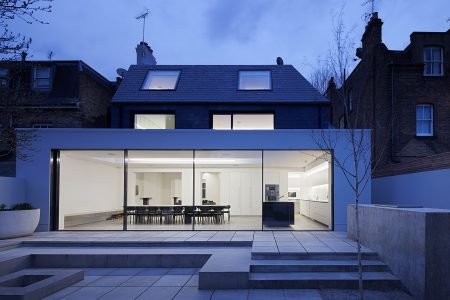
London’s rooftops hold obvious potential. In dense urban settings, a roof extension can create valuable additional space, improve views, and give a property a stronger relationship with light and the skyline. But rooftop projects are rarely straightforward. They sit at the intersection of planning sensitivity, structural constraint, and design visibility.
That is why appointing a roof extension architect London homeowners can rely on is essential. Roof-level work needs more than aesthetic confidence. It demands technical judgement, careful planning strategy, and a clear sense of how the proposal will be perceived from both the street and the home itself.
A roof extension is not simply another room added above. It changes the silhouette of the building, often affects the neighbouring outlook, and usually carries structural implications far beyond the new floor area. In many cases, the design must feel lighter, quieter, and more disciplined than an extension at a lower level.
Good rooftop design considers:
• The existing building’s character
• Visibility from public viewpoints
• Access and circulation to the new level
• How the new mass sits against the skyline
• Light, privacy, and overlooking
Structural considerations of roof extension projects are often significant. Existing buildings may not be designed to take substantial additional load, and introducing new steelwork or strengthening can affect the floors below. Access for construction, crane operations, and sequencing also needs careful thought in dense London settings.
Structural considerations, roof design usually includes the following:
Penthouse extension planning can be sensitive because rooftop additions are highly visible and may alter the character of the host building or the surrounding area. In conservation settings or streets with strong architectural rhythm, even modest roof changes can draw scrutiny. Scale, setbacks, materials, and the way the extension meets the existing roofline all matter.
A stronger planning approach often depends on:
• Limiting visual bulk
• Respecting neighbouring amenity
• Using masking that appears recessive
• Presenting a coherent design rationale
• Aligning the proposal with the local context
The mansard vs dormer extension question is rarely answered by style alone. It depends on the building type, planning context, internal space goals, and how the extension should relate to the roof form. A mansard can sometimes provide a more integrated and generous volume, while a dormer may suit smaller interventions where a lighter visual impact is needed.
Mansard vs dormer extension decisions should weigh the following:
Rooftop terrace design is often appealing in principle, especially where outdoor space is limited. But it can introduce overlooking, noise, privacy, and guarding issues that need to be addressed early. The terrace should feel like a considered part of the architecture rather than a leftover platform.
Well-designed rooftop terrace designs often involve the following:
Roof-level additions tend to work best where they solve a clear problem or unlock a meaningful improvement in use. That may mean adding a principal suite, creating a calm upper retreat, or making a top-floor apartment feel more complete. The value comes from the quality of integration rather than simply adding square metres.
A roof extension architect London clients choose should therefore be looking at the whole property, not just the new upper level. That is what ensures the project improves the building rather than simply sitting on top of it.
Penthouse extension planning, structural considerations, roof work, and rooftop terrace design all require a more careful and strategic approach than many clients first assume. In London, roof-level projects can deliver exceptional results, but only when they are guided by strong architectural judgement and technical coordination from the outset.
For clients exploring rooftop living, Found Associates creates roof and penthouse extensions that balance planning sensitivity, structural logic, and refined spatial design across every level of the home.
5. What Makes Good Rooftop Terrace Design?
A terrace that balances privacy, weather resistance, drainage, access, and visual coherence with the building.

A basement extension can be one of the few ways to add substantial floor area in central London without sacrificing garden space or overloading the upper levels of the house. It can unlock room for wellness spaces, cinema rooms, utility areas, guest suites, or larger family living zones. Yet it is also one of the most technically demanding forms of residential construction.
That is why basement extension cost London discussions should never begin with price alone. Feasibility comes first. Unless the site, structure, waterproofing strategy, and neighbour conditions are properly understood, the project can carry significant risk.
A basement feasibility study is the first serious test of whether the idea makes sense. Not every property is equally suited to excavation. Ground conditions, party wall arrangements, existing foundations, drainage, access, and local planning conditions can all affect viability.
A feasibility-led approach helps clients avoid pursuing a scheme that is either too risky or unnecessarily expensive.
A basement feasibility study usually considers:
• Site access and construction logistics
• Existing structure and foundation conditions
• Groundwater and soil issues
• Impact on adjoining properties
• Local authority expectations and policy context
Basement extension costs in London projects are often high because of the engineering, excavation, temporary works, waterproofing, and coordination involved. The cost is also influenced by fit-out ambition, lightwells, structural complexity, and whether the project sits beneath an occupied or sensitive building.
This is why early cost advice is so important. Basement projects can be valuable, but only when the design and budget are aligned from the beginning.
Cost drivers often include the following:
One of the most important technical issues in any basement project is water management. Basement waterproofing risk is not just about leaks after completion. It affects design decisions from the earliest stages, including structure, detailing, drainage, and maintenance.
A robust waterproofing strategy needs specialist input and careful integration with the wider architectural and engineering design.
Key considerations include the following:
Party wall basement works often involve neighbouring properties in a much more direct way than standard home projects. Excavation close to adjacent foundations, access conditions, and temporary support measures can all affect timing and complexity. Even where a scheme is technically possible, the neighbour’s context may have a strong influence on how it is delivered.
This is why party wall basement issues should be considered early rather than treated as a late legal formality.
The basement construction timeline is usually longer than clients first expect. Design development, planning, consultant coordination, neighbour matters, technical detailing, and enabling works all take time before excavation even begins. Construction itself is also more complex than for many above-ground extensions.
A realistic basement construction timeline generally includes:
• Feasibility and surveys
• Concept design and planning review
• Technical design and consultant coordination
• Tendering and contractor appointment
• Excavation, structure, waterproofing, and fit-out
Not every function belongs below ground. The most successful basements are planned around uses that can perform well without a conventional outlook while still receiving enough borrowed light, ventilation, and a strong sense of quality. Good design makes the basement space feel deliberate, not secondary.
Basement space often works well for:
• Media rooms
• Gyms and wellness spaces
• Utility and plant areas
• Guest accommodation
• Additional family rooms where light is managed carefully
Basement extension cost London decisions only make sense when paired with a serious review of feasibility, waterproofing, neighbour impact, and construction complexity. Done well, a basement can unlock valuable space in locations where outward expansion is limited. Done carelessly, it can become one of the highest-risk elements of a residential project. The right process begins with evidence, not assumption.
For clients exploring underground expansion, Found Associates helps assess basement feasibility study findings, coordinate design with technical specialists, and shape lower-ground spaces that feel refined, usable, and well resolved.
5. How Long Is A Typical Basement Construction Timeline?
It varies, but basement projects generally take longer due to technical complexity and pre-construction requirements.
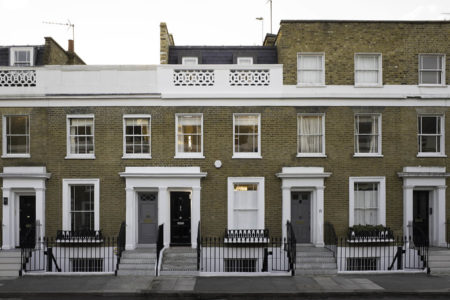
Owning a historic property in London can be deeply rewarding, but it also comes with responsibilities. Many homeowners discover this when they begin planning changes and realise that ordinary assumptions about extensions, windows, interiors, or structural work no longer apply. In listed buildings, even well-intentioned improvements need careful handling.
Listed building consent in London is designed to protect the special architectural and historic interests of these properties. That does not mean change is impossible. It means change must be justified, sensitive, and properly thought through.
Listed building consent London homeowners need may apply to alterations, extensions, or internal works that affect the character of the building as one of special architectural or historic interest. This can include more than obvious external changes. Staircases, fireplaces, doors, plasterwork, windows, and other historic elements may also be relevant.
That is why listed building alterations should never begin with assumptions based on standard residential projects.
Works often needing careful review include the following:
Heritage planning advice is valuable at the very beginning, before the scheme is fixed. In listed contexts, a design that feels reasonable from a general residential perspective may still be inappropriate if it harms significance, removes important fabric, or fails to respect the building’s character.
Early advice helps shape proposals that are more likely to gain support and better able to preserve what makes the property special.
This often involves:
• Understanding the building’s significance
• Identifying sensitive elements
• Testing whether the change can be reduced or refined
• Framing the proposal in heritage terms
Many listed properties also sit within conservation areas, which means the wider streetscape and setting may add another layer of planning sensitivity. Homeowners sometimes search for conservation area consent as a separate issue, but in practice, the planning and heritage picture needs to be considered together, especially where both listed status and area character are involved.
This makes context especially important when considering the following:
One of the biggest misunderstandings around historic building permissions is the idea that attractive design alone is enough. In listed projects, the proposal usually needs to show why change is needed, what impact it has, and how that impact has been minimised. Good justification is often as important as good form.
That is why successful listed building alterations are usually rooted in detailed research, measured intervention, and strong drawing work.
Good applications often rely on:
• Clear explanation of what is proposed
• A sound understanding of significance
• Drawings that show careful consideration
• Materials and details appropriate to the building
Problems usually begin when work starts too soon, or the design is developed without proper heritage input. Even seemingly modest changes can become difficult if they affect a protected character or if the local authority feels the proposal is insufficiently evidenced.
Homeowners can reduce risk by:
• Seeking advice before finalising the design
• Avoiding the removal of historic fabric without a strong reason
• Coordinating planning and heritage issues together
• Working with architects experienced in listed settings
Listed building consent London projects demand more care than standard residential alterations, but they are entirely possible when approached properly. The goal is not to freeze the building in time. It is to make informed, sensitive changes that respect its significance while allowing it to function well today. With the right heritage planning advice, homeowners can improve liveability without losing the character that made the property valuable in the first place.
For clients working with listed homes and sensitive heritage settings, Found Associates develops carefully judged proposals that balance modern living with architectural respect and planning clarity.
5. Is Conservation Area Consent The Same As Listed Building Consent?
No, but conservation area considerations can overlap with listed building issues and should be reviewed together.
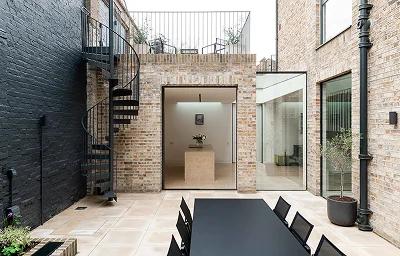
Planning permission home extension London searches usually start when a project feels simple on the surface, and then quickly becomes less clear. Homeowners hear about permitted development, assume it will apply, and only later discover that borough-specific conditions, design choices, or property constraints change the picture.
The most efficient route is to understand the planning context before the design gathers momentum. In London, this can save considerable time and reduce the risk of developing a scheme that looks promising but is difficult to approve.
Not always. Some extensions can fall under permitted development London rules, provided they meet specific limits and conditions. However, that does not mean every house qualifies or that every extension idea can proceed without formal consent. Flats, many listed buildings, some properties in sensitive locations, and homes affected by restrictions may require a full application.
This is why planning permission for home extension London projects needs early review rather than assumption.
Key considerations include the following:
London extension planning rules are shaped by both national guidance and local authority interpretation. Scale, massing, materials, neighbour impact, overlooking, and daylight can all influence the success of an application. A scheme that technically fits a footprint allowance may still struggle if it appears overly dominant or poorly related to the existing building.
This is why a planning strategy should be tied closely to design quality.
Good planning work usually considers:
• How the extension sits within the site
• Its relationship to adjoining properties
• Whether the proposal respects the host building
• How clearly the drawings justify the design
Permitted development rights in London can be useful, but they are not a shortcut to weak design. Even where a formal planning application is not required, the extension still needs to work spatially, structurally, and aesthetically. In many high-value homes, the quality of the result matters more than simply choosing the least regulated route.
It is also worth noting that many homeowners pursue a lawful development certificate for added certainty, even where permitted development may apply.
The house extension application process is not just administrative. The quality of the drawings, the clarity of the proposal, and the logic of the design all affect how smoothly the project progresses. Poorly resolved applications can trigger delays, requests for revision, or refusals that could have been avoided.
A stronger process usually includes:
• Early site and policy review
• Measured surveys and design testing
• Clear planning drawings for extension proposals
• Supporting documents where required
• A realistic timeline for determination and next steps
Planning drawings for extension applications do more than show size. They communicate intention. They explain how the extension relates to the existing house, how it affects the street or garden elevation, and why the design is appropriate.
In better projects, these drawings are part of the design process, not a technical afterthought. That often leads to a stronger scheme overall.
Planning success is rarely about finding a loophole. It is usually about producing a proposal that is measured, well-justified, and genuinely suited to the property. That requires early thinking, realistic scope control, and careful drawing work.
Homeowners usually benefit from:
• Testing options before committing to one scheme
• Understanding local planning expectations
• Aligning ambition with site constraints
• Working with an architect who can balance design and planning
Planning permission for home extension projects in London becomes far more manageable when the process is approached early and strategically. Whether the route is full consent or permitted development in London, the outcome depends on how well the design responds to the property, the planning context, and the practical realities of building. A good planning strategy does not just improve approval chances. It usually improves the architecture as well.
For homeowners preparing an extension in London, Found Associates helps shape proposals that combine planning awareness, refined design thinking, and clear technical preparation from the outset.
5. Is Permitted Development Always The Best Option?
Not necessarily. The right route depends on the property, the design ambition, and the level of certainty needed.
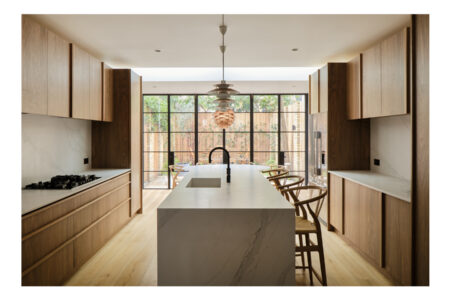
Architect fees in the UK in 2026 are one of the first things homeowners ask about, and understandably so. Yet the more useful question is not simply, “How much does an architect cost? ” But what level of thinking, coordination, and risk reduction does that fee include? ”In residential projects, pricing only makes sense when understood alongside scope.
A low quote may cover only planning drawings. A more comprehensive fee may include briefing, concept design, planning, technical coordination, tender support, and construction-stage involvement. The difference between those services is significant, and so is the impact on the final project.
Residential projects differ enormously in complexity. A simple extension on an uncomplicated site is not the same as a listed townhouse refurbishment, a basement scheme, or a high-end new-build home. The level of detail, consultant input, planning sensitivity, and on-site support required all affect the fee.
Architect fees in the UK in 2026 usually reflect the following:
One of the most common comparisons clients make is percentage vs fixed-fee architect pricing. Both can work well, but each suits different circumstances.
A percentage fee is often used when the architect is delivering a broad service across multiple stages. It can reflect the scale and complexity of the build more naturally, especially where design development is likely to evolve.
A fixed fee is often used where the scope is clearly defined in advance, such as concept design, planning, or a straightforward stage-based appointment.
Percentage vs fixed-fee architect structures each have advantages:
• Percentage fees can stay aligned to project value and complexity
• Fixed fees can offer clarity where the scope is stable
• Hybrid structures are sometimes used across different stages
A residential architect’s cost is not simply a drawing charge. In a full-service appointment, it may include briefing, measured surveys, concept design, planning submission support, coordination with consultants, technical packages, tender review, and contract administration or site visits.
That is why comparing quotes without comparing the scope often leads to confusion.
Residential architect cost may cover:
• Brief development and feasibility
• Concept and spatial planning
• Planning drawings and submission input
• Technical drawings and specifications
• Tender support and contractor queries
• Construction-stage reviews
RIBA fee stages are helpful because they separate the project into recognisable parts, allowing clients to understand what they are paying for at each point. While not every practice structures appointments identically, the RIBA Plan of Work remains a useful framework for residential projects.
RIBA fee stages generally help clients see:
• What work is being carried out
• When design decisions are made
• Where consultant coordination is needed
• Which stages carry the highest project risk
Architect hourly rate UK pricing is usually more common for advisory work, smaller interventions, or tasks where the scope is not yet fixed. It can be useful for early consultations, review sessions, or limited support. However, for larger residential projects, hourly billing alone can make budgeting harder unless the scope is very carefully managed.
Architect hourly rate UK arrangements are often best suited to:
• Initial consultations
• Site advice and brief review
• Small amendments or additional services
• Specialist input outside the main appointment
Fee pressure is understandable, but residential architecture is one of the areas where under-investing early can cost more later. Weak briefing, underdeveloped planning work, poor technical coordination, or limited site involvement can create delays, redesign, contractor variations, and loss of quality.
The best value usually comes from a fee structure that matches the project properly and protects the standard you are trying to achieve.
Architect fees UK 2026 make sense only when viewed in relation to scope, complexity, and project ambition. Whether the structure is percentage-based, fixed, or hourly, the real issue is how well the appointment supports design quality, planning confidence, technical coordination, and build-stage clarity. In residential work, good fee value comes from reducing risk and improving outcomes, not simply lowering the starting number.
For clients looking to understand residential architect cost in a more strategic way, Found Associates provides clear, tailored fee structures aligned to the quality and complexity of each project.
5. Is Architect Hourly Rate UK Billing Suitable For Full Projects?
Usually, it is better for limited or advisory work unless the wider scope is carefully controlled.
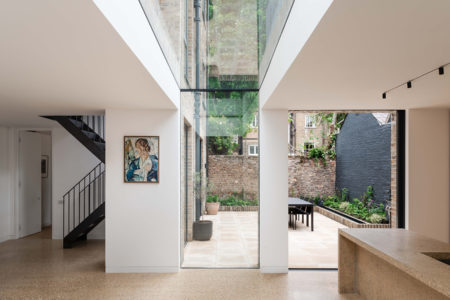
A well-designed extension should not feel like an add-on. In the best projects, it transforms how the whole house works. Light improves, circulation becomes more intuitive, storage is integrated properly, and everyday life feels less constrained. That is why choosing a luxury extension architect London homeowners can trust is about more than gaining square footage. It is about creating a more coherent and elevated home.
In London, where plots are tight and planning conditions can be demanding, luxury extensions need both imagination and control. The design has to unlock value without feeling forced, and the process needs to be handled with enough care to keep quality and timing on track.
The strongest high-end extension ideas go beyond visual impact. They rethink the relationship between existing rooms, improve how the home connects to the garden, and create better zoning for family life, entertaining, and privacy.
A luxury extension architect London clients appoint should be thinking about the entire property, not just the new volume being added.
Common goals include:
• Creating a brighter kitchen and dining space
• Improving indoor-outdoor connection
• Introducing better utility and storage zones
• Upgrading flow between old and new spaces
• Making the house feel calmer and more spacious
Not every premium extension relies on scale. Sometimes the most effective move is a modest intervention handled beautifully. A carefully positioned rooflight, a clearer plan, or a more elegant material strategy can change the character of the whole home.
High-end extension ideas often include:
• Rear extensions with large openings to the garden
• Side-return extensions that widen the heart of the house
• Double-height spaces used selectively for drama and light
• Built-in joinery to reduce visual clutter
• Materials that connect the extension to the existing home in a refined way
The extension timeline London homeowners should plan for depends on design complexity, planning route, consultant input, and contractor availability. While every project is different, the timeline is rarely just the build period. Design development, planning, technical information, and tendering all take time, and all affect the quality of the outcome.
Rushing the front end of the process usually creates more risk later.
An extended timeline London project may include the following:
Architect fees for extension work are shaped by the level of service provided, the complexity of the property, and the amount of coordination needed. A straightforward extension with a limited service scope will differ significantly from a full high-end package involving interiors, technical detailing, and construction support.
Architect fees for extension projects may be set as:
• Fixed fees for defined stages
• Percentage fees linked to the build cost
• Hourly rates for advisory or partial services
What matters most is understanding what is included and whether the fee structure supports the quality level you want.
Planning for luxury extension projects starts with realism. The design must respond to the house, the site, and the local authority context. Over-ambitious schemes often lose time in revision, while underdeveloped schemes may technically pass but fail to deliver the quality the client hoped for.
A well-managed process balances planning strategy with design ambition from the beginning.
This usually means:
• Testing planning constraints early
• Matching scope to budget from the outset
• Coordinating structure and services properly
• Protecting the concept through technical design
A luxury extension is a stitched condition. New and existing architecture need to feel resolved together. That requires judgement around proportion, detailing, materials, and how the sequence of spaces unfolds. A good architect makes the whole home feel improved, not simply enlarged.
Choosing a luxury extension architect London homeowners can rely on is therefore about more than taste. It is about whether the architect can align design quality, planning awareness, timeline control, and cost clarity into one coherent process. That is what creates an extension that feels seamless and genuinely valuable.
For clients planning a high-quality residential extension, Found Associates designs bespoke additions that improve the whole home, balancing contemporary design, technical precision, and a thoughtful approach to budget and planning.
4. What Are The Best High-End Extension Ideas?
The strongest ideas improve light, circulation, storage, and connection to the garden, not just floor area.

Hiring a high-end residential architect London homeowners can trust is about much more than appearance. The right architect does not simply draw a beautiful house. They shape the experience of living in it, manage complexity across planning and construction, and help turn a significant investment into a better long-term asset.
In London, that value is amplified. Premium residential projects often involve tight sites, listed settings, demanding boroughs, and high expectations around finish, functionality, and detail. A high-end design service brings structure and judgement to that process, which is why the choice of architect matters so much.
A high-end residential architect London clients appoint is usually delivering far more than concept design. The service often covers briefing, feasibility studies, planning strategy, design development, consultant coordination, technical drawings, tender support, and construction-stage input.
What distinguishes a premium design service is the depth of thinking behind each step. The architect is considering how the house should feel, how it should perform, and how the design can hold together from first concept to final detail.
Clients typically get:
• A tailored design response rather than a standard solution
• Stronger space planning and circulation
• Better integration of light, storage, and materials
• Guidance through planning and consultant coordination
• Design continuity through technical stages and site delivery
The high-end build process is more layered than many clients expect. It starts with a briefing and feasibility, where the architect helps define the scope and test what is realistic. From there, the project usually moves into concept design, planning, technical design, tendering, and construction.
Each stage matters because decisions made early have a direct effect on cost, quality, and timeline later.
A typical process includes:
• Initial briefing and site review
• Feasibility studies and concept options
• Planning drawings and application support
• Technical design and consultant coordination
• Tender review and contractor selection
• Construction support and quality monitoring
Residential architect fees vary depending on scope, complexity, level of service, and how involved the architect remains throughout the build. London projects often cost more because of planning complexity, consultant input, site constraints, and the level of detail expected in high-end homes.
Fees may be structured as a percentage of construction cost, a fixed fee for defined stages, or sometimes an hourly rate for limited advisory work. The most useful question is not simply what the fee is, but what service level is included and how well it protects the project.
Residential architect fees are often influenced by:
• Size and complexity of the project
• Heritage or planning sensitivity
• Interior and detailing requirements
• Number of design revisions
• Scope of site-stage involvement
A premium design service is not just a line item. It can protect the wider investment. Strong early design can improve planning confidence, avoid wasted floor area, reduce late-stage redesign, and create a home that performs better both in use and in resale perception.
For higher-value projects, that can be far more important than chasing the lowest upfront design fee.
It often adds value by:
• Reducing avoidable design errors
• Improving buildability and pricing clarity
• Protecting design quality through construction
• Supporting stronger property appeal over time
Not every architect suits every client. A good fit depends on design sensibility, communication style, technical depth, and how the practice handles complexity. In a high-value project, the relationship matters because the process involves many decisions over a long period.
Good signs often include:
• A portfolio with depth rather than repetition
• Clear process and realistic scope definition
• Strong planning and technical understanding
• Attention to both architecture and liveability
• Confidence without a formulaic approach
Choosing a high-end residential architect in London that homeowners can rely on is really about choosing the quality of thinking that will shape the entire project. The right architect brings design clarity, practical judgement, and process control from the earliest briefing stages through to completion. That is what turns a complex residential project into a home that feels refined, functional, and genuinely valuable.
For clients looking for a high-end residential architect London practice with a bespoke approach, Found Associates combine contemporary design, technical rigour, and end-to-end support across the full residential journey.
5. Is This Only Relevant For New Build Homes?
No. It also applies to refurbishments, extensions, listed homes, and complex reconfigurations.
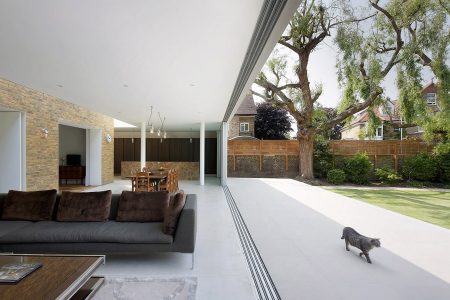
Template-led design promises speed and certainty. On paper, that can sound appealing. Standard layouts, familiar material packages, and repeatable planning strategies seem to reduce risk. Yet more London clients are beginning to see the limits of that approach. A city as layered and irregular as London rarely rewards design that starts with assumptions.
Homes here are too varied, planning contexts too nuanced, and lifestyles too specific for one-size-fits-all thinking. As expectations rise, clients are moving away from template-led design in favour of architecture that feels more responsive, more tailored, and ultimately more valuable.
One reason template-led design struggles in London is that the housing stock is incredibly diverse. A Victorian terrace, a listed townhouse, a mews house, and a penthouse apartment all come with completely different constraints and opportunities. Even neighbouring properties can have very different access, light, structure, and planning considerations.
A template may save time at first, but it often misses the deeper logic of the site. That usually leads to a weaker result.
Common issues with template-led design include:
• Layouts that ignore how the property is actually used
• Solutions that fight the site rather than work with it
• Poor responses to light, privacy, and circulation
• Planning assumptions that do not fit the local authority context
Affluent homeowners are increasingly asking for more than a generic upgrade. They want a home that reflects how they live now and how they expect to live in the future. That may include flexible workspaces, better entertaining areas, integrated storage, improved wellness features, or stronger connections to outdoor space.
Template-led design tends to focus on the appearance of improvement. Bespoke design focuses on the lived experience of it.
This shift is driven by:
• More time spent working from home
• Higher expectations around comfort and flow
• Greater interest in longevity and adaptability
• A desire for homes with a stronger identity
London planning is not a standardised checklist. Borough expectations vary, and many properties sit within conservation areas or sensitive streetscapes. What works in one location may be inappropriate in another. Template-led schemes often struggle because they rely on predictable planning assumptions that do not hold up under closer scrutiny.
Clients are becoming more aware that better planning outcomes usually come from better contextual design, not from repeating what has worked elsewhere.
A more tailored planning approach helps with:
• Responding to local character
• Managing scale and massing carefully
• Strengthening design justification
• Reducing avoidable objections
A project can look polished in visual terms while still functioning poorly. This is one of the biggest weaknesses of formula-based design. It can produce familiar-looking results without properly resolving storage, circulation, daylight, and privacy. Over time, those flaws become more important than the visual language.
London clients are increasingly prioritising quality of layout over surface-level gestures. They want homes that feel calm and intuitive, not just newly finished.
Clients now look more closely at:
• Whether rooms connect naturally
• How storage has been integrated
• Whether the home feels bright and spacious
• How private spaces are separated from busy ones
In high-value property markets, individuality matters. Buyers respond to homes that feel resolved, coherent, and clearly well considered. Template-led design may create passable results, but it rarely creates memorable ones. In contrast, bespoke architecture often improves both everyday use and market perception.
That is why more clients are seeing design not as a cosmetic upgrade, but as a strategic investment.
Long-term value is often strengthened by:
• Better proportions and flow
• Stronger material quality
• More intelligent responses to the site
• Distinctive spaces that still feel timeless
As clients become more design-literate, they are less interested in generic solutions. They understand that premium results come from careful briefing, strong architectural judgement, and a design process that is specific to the property. In London, especially, that approach tends to produce more successful planning outcomes, better finished homes, and more durable value.
Why London clients are moving away from template-led design is ultimately a matter of fit. Standard solutions may look efficient, but they often miss the complexity that makes a home truly successful. A more bespoke approach produces architecture that responds better to site, planning, lifestyle, and long-term value, which is why it is becoming the preferred route for discerning homeowners.
For clients who want a design that feels tailored rather than formulaic, Found Associates creates homes shaped by context, clarity, and the realities of how people live in London today.
4. What Do Clients Gain From A More Tailored Design Approach?
They usually get better functionality, more individuality, and a home that feels more resolved and valuable over time.
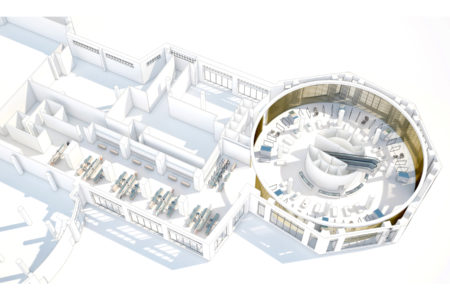
A strong concept can win immediate excitement. It can capture the client’s ambition, unlock the site, and establish a clear sense of identity for the project. Yet many buildings lose their power between the first presentation and the final build. Details change, costs tighten, consultants work in isolation, and the original idea begins to blur.
Protecting architectural vision is not about defending a sketch at all costs. It is about guiding a project carefully from concept to completion so the qualities that mattered at the start remain intact by the time the building is finished.
Early design ideas often feel compelling because they are simple. They show a direction, a mood, or a spatial principle. But turning that into a real building requires a series of disciplined decisions. Proportions need testing. Planning constraints need resolving. Structure, lighting, services, and materials all need to support the same idea.
Vision is protected not by repeating the concept language, but by translating it accurately through each stage.
This usually involves:
• A clear architectural narrative
• Early testing of layout and massing
• Material choices aligned with the concept
• Technical details that support the design intent
• Consistent oversight through procurement and construction
The planning stage often forces a concept to prove its strength. A proposal has to respond not only to the client brief, but also to context, neighbours, policy, and sometimes heritage issues. If the design was superficial to begin with, this is where it starts to unravel.
When the concept is genuinely grounded in site and context, it is far easier to refine without losing integrity. Good architects know how to adapt strategically while preserving the qualities that matter most.
Planning-stage protection often comes from:
• Context-led massing decisions
• Careful management of scale and overlooking
• Strong justification for material and form
• Clear and persuasive drawing packages
Many clients assume the difficult creative work is finished once planning approval is secured. In reality, technical design is where the project either gains precision or starts to lose quality. Small decisions around junctions, ceiling depths, joinery, lighting positions, and buildability all influence how the final space feels.
Architectural vision survives when these details are treated as part of the design, not as afterthoughts.
Critical technical areas include:
• Window and door detailing
• Ceiling and lighting coordination
• Stair design and balustrade quality
• Material transitions
• Integrated storage and joinery
Budget pressure is one of the most common reasons a project drifts from its original vision. But cost control does not need to mean compromise in the wrong places. When handled early and intelligently, it can sharpen the scheme rather than weaken it.
The key is to understand which parts of the design are doing the real work. Not every element carries equal value. Protecting vision means prioritising what defines the project and being disciplined elsewhere.
This approach helps by:
• Preserving key spatial moves
• Protecting the most important materials
• Reducing spending on lower-impact areas
• Avoiding panic-driven changes on site
Even the best concept can fail if consultants are not aligned. Structure may conflict with glazing, services may compromise ceiling quality, and construction sequencing may affect finishes. Architectural vision depends on good coordination because every discipline influences how the design is eventually built.
This is why continuity of architectural involvement is so valuable. It helps keep the project coherent as information becomes more detailed.
Coordination protects design through:
• Early consultant input
• Clear drawing packages
• Regular design reviews
• Timely issue resolution
• Consistent reference back to the core concept
No matter how carefully a project is designed, the building phase introduces real-world variables. Site conditions, substitutions, sequencing issues, and interpretation gaps can all change the result. Architectural vision needs active protection during this stage as well.
An architect involved in construction can answer queries quickly, review samples, monitor key details, and maintain the design standard agreed earlier in the process.
Site-stage protection often includes:
• Reviewing shop drawings and samples
• Clarifying details during construction
• Checking critical dimensions and finishes
• Supporting contractor decision-making
• Maintaining consistency across trades
One of the simplest ways to protect architectural vision is to reduce fragmentation. When the same practice stays engaged from concept to completion, the project benefits from memory, consistency, and accountability. The team understands why decisions were made and can protect the logic behind them as complexity increases.
That continuity often leads to a calmer process and a more resolved outcome.
From concept to completion, architectural vision is protected through clarity, discipline, and continuity. It survives when the original idea is rooted in the brief and the site, then carried carefully through planning, technical design, cost decisions, coordination, and site delivery. That is what turns a promising concept into a finished project that still feels whole.
For clients who want their project to retain its quality from first sketch to final detail, Found Associates guides the process with close involvement, careful coordination, and a clear commitment to design integrity.
5. Does Continuity Across Project Stages Matter?
Very much. It improves clarity, accountability, and consistency from concept through to completion.
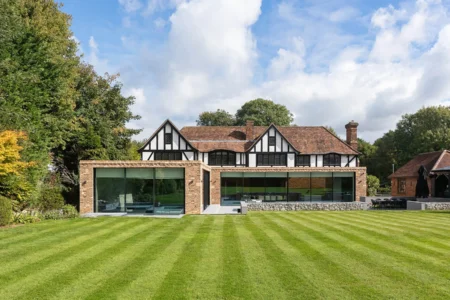
Many homeowners bring in an architect only after the biggest decisions have already been made. They may have chosen the rough size of an extension, assumed a planning route, or started speaking to builders before the brief is properly tested. It feels efficient at first, but it often creates delays and added costs later.
Early architectural involvement changes that pattern. It helps clients make better decisions when the project is still flexible and inexpensive to shape. That is usually where the biggest savings are found, not in late-stage value engineering after problems have already been crept in.
A large proportion of project risk sits in the early stages. Once a scheme progresses into planning, technical coordination, and pricing, even small changes can cause a chain reaction. Layout adjustments may affect structure, glazing, joinery, services, and cost. What seemed like a minor revision can quickly become expensive.
Early involvement of an architect can test options before they harden into assumptions. That protects both time and budget.
Early input helps with:
• Defining the brief properly
• Testing size and scope against budget
• Identifying planning risks
• Improving layout efficiency
• Avoiding unnecessary structural complexity
One of the most common causes of overspend is a vague brief. If the project begins without a clear understanding of priorities, the design often drifts. Rooms get added, scope expands, and the scheme becomes more complex than the budget can support.
Architects help clients separate essentials from ambitions. That creates a stronger foundation for the whole project and reduces the likelihood of redesign later on.
A clearer brief typically improves:
• Budget alignment
• Design focus
• Decision-making speed
• Coordination with consultants
• Tender accuracy
Planning is rarely just a formality, especially in London. Constraints around massing, neighbours, daylight, heritage, and local policy can all influence what is realistic. When these factors are considered too late, clients often lose time redesigning a scheme that was never likely to gain support in the first place.
Early architectural input allows the site and planning context to shape the concept from the outset. That often leads to a stronger application and a smoother route through the process.
This can help avoid:
• Over-scaled proposals
• Designs that conflict with local character
• Heritage issues discovered too late
• Delays caused by preventable revisions
Saving money in architecture is not always about making the project smaller. Often, it is about making it smarter. A well-planned layout can avoid wasted circulation, reduce awkward structural moves, and make better use of existing conditions. That can protect quality while keeping costs under control.
When architects are involved early, they can identify where the budget should work hardest and where complexity adds little value.
Cost-saving design decisions may include:
• Simplifying the structural strategy
• Using floor area more efficiently
• Coordinating openings and structure earlier
• Avoiding unnecessary demolition
• Designing in storage rather than adding later fixes
Builders price more accurately when the design information is coherent. If the scope is still shifting or key elements remain unresolved, the tender figure is more likely to carry uncertainty, exclusions, or future variations. That makes the initial price less reliable.
Early architectural involvement strengthens the design before it reaches the pricing stage. That helps reduce ambiguity and gives the client a firmer basis for decision-making.
This supports:
• More comparable contractor quotes
• Fewer provisional sums
• Better cost control during construction
• Less tension around changes on site
Clients sometimes think early design work slows the project down. In practice, it usually saves time by preventing setbacks later. A few extra weeks spent clarifying the brief, testing options, and coordinating properly can avoid months of redesign, planning amendments, and reactive site decisions.
Good projects move efficiently because the foundations are solid, not because they were rushed.
Time is usually saved through:
• Faster decision-making later
• Fewer late-stage design changes
• Better consultant coordination
• Smoother contractor procurement
• Reduced site disruption
The higher the quality ambition, the more important early thinking becomes. Bespoke homes involve more detailed decisions around layout, materiality, light, joinery, and experience. If those considerations are delayed, the project often ends up spending more money to solve problems that could have been avoided from the start.
Early architectural involvement does not just save time and budget. It improves the quality of the final result.
Why early architectural involvement saves time, and budget comes down to one simple principle: it is always cheaper and easier to improve a project before the key decisions are locked in. Early thinking protects the brief, improves planning readiness, sharpens the budget, and reduces the risk of costly rework later. It is one of the most effective ways to create a better project from the beginning.
For clients who want a smoother process and stronger long-term value, Found Associates helps shape residential projects early, so design quality, planning strategy, and budget control all start on the right footing.
5. Is Early Design Work Worth It For Smaller Projects?
Yes. Even modest projects benefit from better briefing, smarter planning, and clearer scope from the outset.
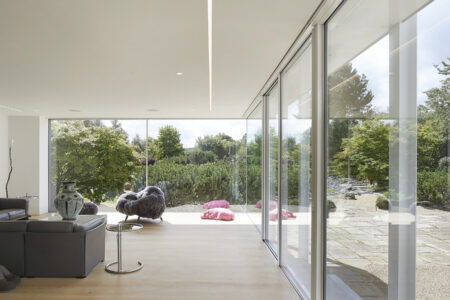
Good architecture is rarely the result of a single idea. It comes from balance. A project needs imagination, but it also needs discipline. It should feel distinctive, yet still work effortlessly in daily life. It should be uplifting for the client, but it also needs to make sense in terms of budget, planning, and long-term property value.
This balance is where many projects succeed or fail. At Found Associates, creativity is not treated as decoration layered on top of a brief. It is used as a tool to solve practical problems, improve how a space works, and create lasting commercial value.
There is often a misconception that creative architecture is somehow separate from practicality. In reality, the strongest projects are the ones where the design idea improves performance. Better layouts, clearer circulation, stronger daylight, and more integrated storage are all creative moves when handled intelligently.
Creativity becomes valuable when it shapes the experience of the building while also improving how it functions. This is particularly important in London, where planning constraints, compact sites, and high build costs mean every design decision has to earn its place.
Design value often comes from:
• Smarter use of limited space
• Better relationships between rooms
• Improved natural light and views
• Materials that feel refined and durable
• Design choices that strengthen resale appeal
A building can look impressive and still perform badly. Awkward circulation, underused rooms, poor storage, and weak zoning quickly reduce the value of any design. Functional thinking is what allows architecture to support real life rather than simply photograph well.
Found Associates’ approach functions as part of the architectural language itself. Plans are considered carefully, movement through the home is tested, and spatial decisions are tied to how clients actually live, work, entertain, and grow over time.
Functional priorities often include:
• Clear flow through the home
• Practical kitchen and utility planning
• Calm separation between active and quiet spaces
• Integrated storage from the outset
• Rooms that remain flexible over time
Commercial value is not only relevant when a property is sold. It begins at the concept stage. A well-designed scheme can improve planning confidence, reduce unnecessary structural costs, and make a home feel more desirable in the market. Even if the client has no intention of moving, these decisions still affect the long-term strength of the asset.
This is why commercial thinking should not be mistaken for compromise. In the right hands, it sharpens the project. It encourages clarity, reduces waste, and focuses the design on what will genuinely matter in use and in value.
Commercial value is often influenced by:
• Planning viability
• Efficient use of floor area
• The quality of light and flow
• Material longevity
• Broad market appeal without losing individuality
One reason some high-end projects lose clarity is that they try to do too much. Bespoke architecture does not need constant visual gestures to feel luxurious. In many cases, restraint is what allows the design to feel more confident.
Found Associates often balance creativity with control. A strong concept is developed, but it is supported by measured detailing, clean planning moves, and a disciplined palette. That creates a home that feels sophisticated rather than overworked.
This balance can be seen in:
• Elegant forms with strong internal logic
• Simplicity supported by precise detailing
• Materials chosen for both beauty and durability
• Features that enhance use instead of distracting from it
London clients are often navigating multiple priorities at once. They want a home that feels distinctive, but they also need to consider planning complexity, build cost, timeline, and future value. In this environment, architecture has to perform on more than one level.
A practice that can balance creativity, function, and commercial value brings more than design flair. It brings judgment. That judgement helps clients avoid costly missteps and invest in moves that truly strengthen the project.
Clients benefit from:
• Better decision-making early in the process
• Stronger alignment between brief and budget
• Fewer reactive changes later on
• Architecture that feels personal and commercially sound
Protecting this balance requires continuity. It is not enough to produce a strong concept if the discipline disappears during technical design or construction. The vision needs to be carried through each stage so that practical coordination does not dilute the original ambition.
This is where an experienced practice adds real value. Creative ideas are translated into detailed information, consultants are coordinated, and the built result stays aligned with the intent established at the beginning.
This usually means:
• Clear concept development
• Rigorous technical design
• Careful consultant coordination
• Tender and contractor support
• Ongoing site involvement
Found Associates balances creativity, function, and commercial value by treating them as part of the same design conversation rather than separate priorities. The result is architecture that feels elegant, works beautifully in real life, and stands up as a strong long-term investment. That is where truly high-quality design earns its place.
For clients who want architecture that is imaginative, practical, and commercially intelligent, Found Associates offers a design process that brings all three together with clarity and purpose.
5. How Does Found Associates Protect Design Value Through The Process?
By carrying the concept carefully through briefing, planning, technical design, tendering, and construction support.
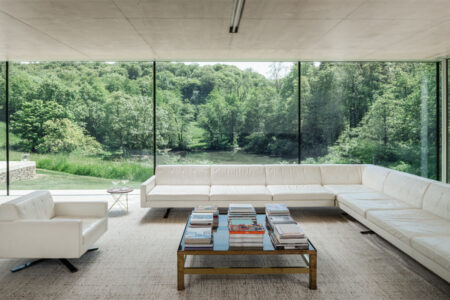
There is a noticeable difference between an architecture studio that produces attractive drawings and a bespoke architecture practice that designs around real life. The difference is not simply style. It is depth. A bespoke practice begins with the client, the site, the planning context, the budget, and the long-term ambition for the property. The result is not a house that could belong anywhere. It is a home shaped precisely for its setting and the way its owners want to live.
In the UK, that distinction matters even more. Homes often sit within complex planning rules, conservation contexts, tight urban plots, or listed settings. A bespoke architect does not force a pre-set formula onto these conditions. They use them to create something more intelligent, more refined, and more valuable over time.
Bespoke architecture is often misunderstood as simply “high-end” or “custom”. In practice, it means the design process is tailored from the beginning. The architect is not selecting from a template. They are developing a response to a specific brief, site, and client ambition.
That includes understanding how the home should feel day to day, how light should move through it, where privacy matters, how storage should be integrated, and how the design should age gracefully over time.
A bespoke process usually includes:
• A detailed briefing phase
• Site-specific design testing
• A tailored material and spatial strategy
• Planning guidance based on the property’s context
• Technical coordination that protects the original vision
A bespoke architecture practice in the UK must be fluent in context. That means more than reading a site plan. It means understanding local authority expectations, streetscape character, heritage sensitivity, neighbouring amenity, and buildability constraints.
In London especially, one project may involve a mews house, another a listed townhouse, and another a contemporary extension in a conservation area. Each demands a different approach. A bespoke architect reads these layers carefully and uses them to guide better design decisions.
Context-led design often considers:
• Planning restrictions and local policy
• Existing building character
• Light, orientation, and overlooking
• Access, structure, and construction logistics
• The property’s future resale appeal
One of the clearest markers of a bespoke architecture practice is how seriously it takes the brief. Strong architects do not rush past the early conversations. They use them to uncover what the project actually needs, not just what the client first assumes they want.
That may involve refining priorities, identifying overlooked opportunities, and translating lifestyle requirements into architectural decisions. A good brief leads to a home that feels coherent rather than decorative.
This often covers:
• Daily routines and household patterns
• Entertaining, working, and family life
• Storage and utility needs
• Long-term flexibility
• Emotional qualities such as calm, privacy, or openness
There is a tendency to associate bespoke design with extravagance. In reality, the most sophisticated bespoke homes are often the most disciplined. They avoid unnecessary gestures and focus instead on proportion, light, material quality, and usability.
A bespoke architecture practice knows when to do less. It understands that restraint can create elegance, and that value often comes from solving the plan brilliantly rather than adding visual complexity.
This is why the best bespoke homes tend to feel:
• Calm rather than busy
• Refined rather than showy
• Functional without feeling utilitarian
• Distinctive without relying on trends
Beautiful concept work is not enough. A bespoke architecture practice must also carry that design quality through planning, technical detailing, tendering, and construction. This is where many projects lose their integrity.
When architects stay closely involved, they can protect proportions, coordinate consultants properly, and resolve details before compromises become expensive. Bespoke work is not only about imagination. It is also about control.
Technical strength helps by:
• Reducing redesign later in the process
• Improving cost certainty
• Coordinating structure, lighting, and interiors
• Protecting material quality on site
• Delivering a more faithful built result
Clients usually recognise a bespoke practice not by the drawings alone, but by the experience of working with them. They feel heard. The design evolves logically. Problems are anticipated early. The house begins to reflect their priorities in a way that feels natural rather than imposed.
That level of attention often leads to better planning outcomes, smoother decision-making, and stronger long-term satisfaction with the finished home.
Clients often value:
• Clear communication and structured guidance
• Design decisions tied to real needs
• A process that feels thoughtful rather than rushed
• Confidence that the architect is protecting quality
• A final result that could not have been copied elsewhere
What truly defines a bespoke architecture practice in the UK is not a single aesthetic or price point. It is the ability to create architecture that is deeply specific to the client, the site, and the wider context. A bespoke process produces homes that work better, feel more resolved, and hold their value more convincingly because they have been designed with care rather than assembled from assumptions.
If you want a more thoughtful and tailored design experience, Found Associates can help shape a home that is individual, elegant, and enduring.
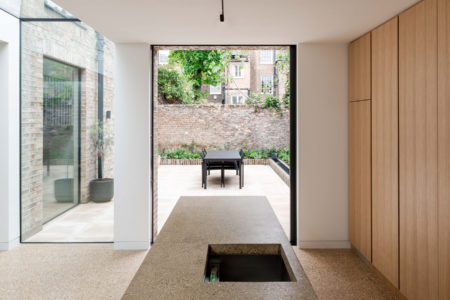
Before materials, finishes, or even the external form, architecture begins with space planning. Space planning is how rooms relate to each other, how you move through the building, where storage lives, and how daily routines actually work. When it is done well, a home feels effortless. When it is done poorly, even the most expensive finishes cannot fix the frustration of awkward circulation, cramped rooms, and constant clutter.
In London, where homes are often compact and needs are layered, space planning is one of the biggest drivers of comfort and long-term value. It shapes everything that follows, including build cost, planning success, and how the property is perceived at resale.
Space planning is not just drawing rooms on a plan. It is designing a system for living. It considers the journey through the home, the relationship between noisy and quiet zones, where light enters, and how furniture and storage will fit in real life.
A good plan answers practical questions like: Where do coats go? How do you carry shopping to the kitchen? Where can someone work quietly? And can guests move through the home without interrupting daily routines?
Space planning typically covers:
• Room sizes and proportions
• Circulation routes and door positions
• Storage and utility zones
• Zoning for privacy, noise, and light
• Furniture layout and usability
Many homes look fine in photos, but feel difficult to live in. This is usually a planning issue, not a styling issue. Common symptoms show up quickly once you move in.
You will often notice:
• Hallways that eat space without adding function
• Kitchens that feel disconnected from dining or outdoor areas
• Bedrooms that cannot fit furniture comfortably
• No place for everyday storage like coats, buggies, vacuum cleaners
• Bottlenecks where people collide during busy times
Even small problems compound over time. A weak plan increases stress, creates clutter, and often leads to expensive changes later.
Instead of describing space planning in abstract terms, it helps to test a layout against everyday scenarios. A strong plan tends to perform well under simple checks.
A layout is usually working when:
• You can enter, store coats, and move to the main living area easily
• You can carry shopping from the front door to the kitchen without obstacles
• The kitchen, dining, and living areas connect naturally for daily use
• Bathrooms are placed logically for both guests and bedrooms
• Bedrooms feel calm and private rather than exposed to circulation
If these basics work, the home immediately feels more livable.
Circulation is unavoidable, but it can either waste space or add value. Poor circulation creates dead corridors and awkward landings. Good circulation is efficient and sometimes becomes part of the experience, bringing light, views, and clarity.
In London homes, saving a small amount of circulation can unlock a surprising amount of usable space. Architects often improve this by simplifying routes, reducing unnecessary turns, and aligning doors to make them feel natural.
Common circulation improvements include:
• Removing redundant hallways
• Aligning doorways to reduce pinch points
• Designing stairs and landings to feel brighter
• Testing furniture layouts so routes remain clear
Space planning and daylight go hand in hand. The plan determines which rooms get the best light and how that light travels through the home. Many London properties have deep floor plans where the centre can be dark, so planning choices are crucial.
Architects typically place the most used spaces where light is strongest and use layout moves to borrow light into deeper zones. This improves comfort and makes the home feel larger without adding floor area.
Light-led planning might involve:
• Locating living zones toward the best daylight and outdoor connection
• Using rooflights to brighten the middle of a plan
• Reducing visual barriers that block light
• Creating better sightlines so spaces feel open
Storage is one of the clearest signals of good architecture. Homes feel calmer when storage is built in and positioned where you naturally need it. Without planned storage, rooms become cluttered, circulation shrinks, and the home feels smaller.
Architects often treat storage like infrastructure. It is designed into walls, under stairs, and in utility zones, so it does not compete with living space.
Storage planning that improves daily life includes:
• Entry storage for coats, shoes, and bags
• Kitchen pantry storage for bulk items
• Utility zones for laundry and cleaning supplies
• Built-in joinery that reduces freestanding clutter
A well-planned layout reduces late changes, which are one of the biggest drivers of overspend. When the plan is clear early, technical design becomes easier, and builders can price more accurately because the scope is not shifting constantly.
Good planning can also reduce structural cost. Sometimes, a smarter reconfiguration avoids expensive steelwork or overly complex extensions while still achieving the same improvement in liveability.
Space planning supports cost control by:
• Reducing redesign and variations
• Improving tender pricing accuracy
• Avoiding unnecessary structural interventions
• Making construction sequencing clearer
Buyers often decide how they feel about a home within minutes. They may not mention space planning, but they react to it. A home that flows well, feels bright, and has practical storage creates confidence. It also photographs better, shows better, and typically appeals to a wider market.
Strong layouts often increase perceived space. That perception can support stronger offers even when the overall square metre figure is similar to neighbouring properties.
Buyers typically respond to:
• Clear and intuitive flow
• Flexible rooms that can change use
• Bright main living areas
• Practical storage and utility space
• Privacy where it matters
Space planning is the foundation of good architecture because it determines how a building works long before finishes are chosen. It shapes flow, comfort, light, storage, flexibility, and long-term value. A strong plan makes daily life easier and reduces the risk of expensive mistakes during construction. It also improves buyer appeal because good layouts are felt immediately, even when they are not explicitly described.
If you want to improve your home by getting the layout right first, Found Associates can help you develop a plan that feels calm, efficient, and future-proof, so the architecture works beautifully in real life as well as on paper.
It is the arrangement of rooms, circulation, storage, and spatial hierarchy to support how people live and move through a building.
Often yes. Buyers respond strongly to good flow, practical storage, and bright, efficient layouts.
No. All homes benefit, but it is especially impactful in compact properties where wasted space is costly.
At the very start. Early planning shapes the entire design and reduces late changes that increase cost.
Prioritising room count over quality leads to awkward circulation, a lack of storage, and poorly lit main spaces.
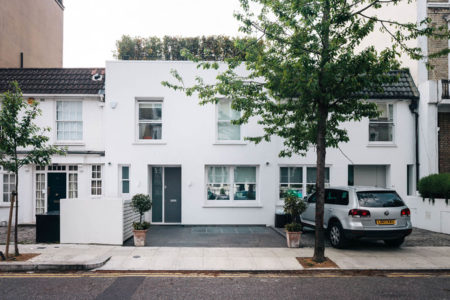
Sustainable property value is not just about selling for more in the short term. It is about keeping your home desirable, comfortable, efficient, and resilient over many years. In London and across the UK, buyers are increasingly paying attention to running costs, energy performance, and whether a property feels future-proof. This is where architectural design has a measurable impact.
A well-designed renovation or extension can support sustainable value by combining strong space planning with performance upgrades, durable materials, and a strategy for long term adaptability. The result is a home that works better now and stays competitive as standards and buyer expectations evolve.
Sustainable property value is the ability of a property to hold or improve its appeal over time without requiring constant expensive fixes. It is closely linked to comfort, efficiency, and design quality. Homes that feel bright, well planned, and easy to run tend to maintain demand, even when the market shifts.
Key drivers of sustainable value often include:
• Practical layouts and good flow
• Strong natural light and comfortable rooms
• Lower energy bills through better performance
• Durable finishes and reduced maintenance
• Flexibility for changing lifestyles
Good architecture starts with space planning. Buyers and valuers respond strongly to homes that feel intuitive. If circulation is awkward, storage is missing, or rooms feel cramped, even high-end finishes cannot fully compensate. Architects improve value by making the layout work harder, often without adding large amounts of floor area.
Space planning decisions that support value include:
• Reducing wasted hallway space
• Creating clear zones for living, dining, and working
• Improving storage with built-in solutions
• Making kitchen and living areas connect naturally
• Designing a flexible room that can shift use over time
When a home feels easier to live in, it attracts a broader range of buyers and often sells faster.
Energy efficiency is increasingly linked to resale value because buyers are concerned about bills and comfort. Architectural design supports better energy performance by improving the building fabric first, rather than relying only on mechanical systems. A fabric-first approach usually means insulation, airtightness, and glazing strategy are prioritised early.
Common energy-focused design improvements include:
• Upgrading insulation in roofs, walls, and floors where feasible
• Improving windows and doors to reduce heat loss
• Reducing drafts through airtightness detailing
• Designing ventilation to prevent condensation and mould
• Planning heating systems around improved performance
Lower running costs and better comfort can make a property more attractive in competitive markets, especially where buyers compare homes based on efficiency and condition.
In many London homes, the best value comes from improving what already exists rather than rebuilding. Retrofit first design focuses on retaining structure where possible, upgrading performance, and making targeted changes that deliver the biggest improvement. This approach can protect character, reduce disruption, and often aligns better with planning constraints.
Retrofit-led upgrades that support sustainable value include:
• Reconfiguring layouts without major structural expansion
• Improving thermal performance with minimal loss of space
• Upgrading ventilation and moisture control
• Replacing outdated services strategically
• Preserving features that buyers value, such as proportions and original detailing
Homes that combine character with modern performance often stand out, particularly in London neighbourhoods where period homes are desirable.
Sustainable value is not only about energy. It is also about how well a home holds up over time. Poor detailing can lead to cracks, leaks, condensation issues, and frequent repainting or repairs. Architects support long-term value by specifying durable materials and resolving junctions properly.
Design choices that reduce maintenance include:
• Durable finishes in high traffic areas
• Robust detailing around windows, roofs, and thresholds
• Moisture-resistant strategies in kitchens and bathrooms
• Materials with clear repair and replacement pathways
• Sensible external detailing to manage rainwater effectively
A home that looks good five to ten years after completion is more likely to retain buyer confidence and avoid value erosion.
Modern buyers often want homes that can adapt. The rise of work-from-home expectations, multi-generational living considerations, and changing accessibility needs all influence what feels valuable. Architectural design supports this by planning flexible spaces that can change function without major work.
Future-proof planning might include:
• A room that can be an office, guest, or bedroom
• Storage strategies that support clutter-free living
• Clear circulation that can support later accessibility upgrades
• Spaces designed to accommodate changing family needs
• Provision for future technology upgrades where feasible
Flexibility broadens the buyer pool because the home can suit different life stages and household types.
Natural light is one of the strongest drivers of perceived value. Homes that feel bright, airy, and calm photograph better, show better, and often attract stronger interest. Architects enhance this through window positioning, rooflights, layout refinement, and better connections to outdoor space.
Architectural strategies that support comfort and buyer appeal include:
• Placing main living spaces where light is strongest
• Using rooflights to brighten deeper plans
• Improving sightlines and reducing visual clutter
• Creating indoor outdoor connection where possible
• Managing overheating risk through shading and glazing choices
Comfort is not a luxury feature. It is a valuable feature, especially in urban settings where noise, overheating, and poor ventilation can reduce appeal.
A property with well-documented, compliant works is easier to sell. Buyers and solicitors look for paperwork that confirms planning approval and building regulations compliance where required. Unclear approvals, missing sign-offs, or unauthorised alterations can delay sales or reduce buyer confidence.
Architects support value by ensuring:
• Planning strategy is correct for the scope
• Permissions are secured where required
• Technical design aligns with building regulations
• Documentation is clear for handover and future sale
Strong documentation reduces risk for buyers, which can support stronger offers and smoother transactions.
Architectural design supports sustainable property value by improving how a home lives, performs, and lasts. Through smart space planning, energy efficiency upgrades, retrofit-first strategies, durable detailing, and flexible layouts, architects help create homes that remain comfortable and desirable as expectations change. Sustainable value is about resilience. A home that is easy to run, easy to maintain, and easy to adapt is more likely to hold demand and protect long term investment.
If you want to improve your home in a way that enhances everyday comfort and strengthens long-term resale potential, Found Associates can help you shape a design strategy that balances performance, quality, and future value.
It means a property retains appeal over time through good design, comfort, low running costs, durability, and adaptability.
Often yes. Buyers consider running costs and comfort, and efficient homes can attract stronger demand.
It depends. Many homes gain significant value from reconfiguration and performance upgrades without large extensions.
By selecting durable materials and detailing junctions to manage moisture and movement, reducing future defects and repair costs.
Sometimes. Retrofit first approaches and performance improvements can support planning narratives, especially when they reduce harm and improve quality.
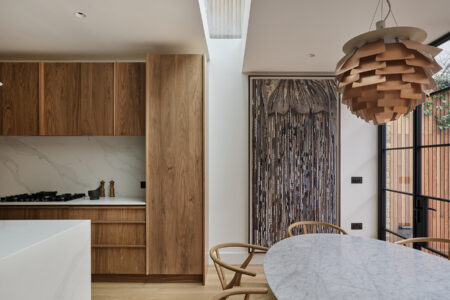
Planning in London can feel complex because policies operate at multiple levels. Borough local plans, neighbourhood policies, conservation area guidance, and London-wide strategies can all influence what is permitted. Even small residential projects can trigger constraints related to heritage, overlooking, daylight, trees, flood risk, and general neighbour impact. A good architect does not treat these issues as last-minute hurdles. They use them to shape the design from the start, so the proposal is more likely to succeed.
The key is understanding which constraints apply to your specific site and then translating them into clear design choices. That might mean adjusting massing, changing window positions, or refining materials. When this happens early, you avoid redesign later and protect both programme and budget.
Many London homes fall within conservation areas, where councils look closely at how alterations affect the character of the street. This can influence roof alterations, dormers, front elevations, boundary treatments, and material choices. If a building is listed, the level of scrutiny increases, and you may need additional heritage justification.
Architects typically respond by assessing the area’s defining features and ensuring the proposal respects them. That does not mean copying old details exactly. It means working with scale, proportion, and material logic so the changes feel appropriate.
Common heritage-related constraints include:
• Restrictions on visible roof forms and dormers
• Expectations around window proportions and materials
• Limitations on façade changes and front extensions
• Need for heritage statements on sensitive sites
London’s density means councils and neighbours pay close attention to the size and shape of extensions. Rear extensions, side returns, and loft projects can be challenged if they appear bulky, overbearing, or out of proportion. Loss of light, overshadowing, and impact on neighbouring outlook often sit at the centre of objections.
Architects manage this by testing massing early and shaping the proposal so it feels balanced. Small moves can make a big difference, such as stepping down a roofline, setting back an upper element, or refining the depth of an extension.
Typical massing concerns include:
• Overshadowing neighbouring gardens or windows
• Extensions that feel too deep for the plot
• Upper-level additions that appear top-heavy
• Side infill work that reduces openness between homes
Privacy is a frequent planning issue in London because homes sit close together. New openings, roof terraces, and upper-level glazing can lead to concerns about direct views into neighbouring rooms or gardens. Even if the design improves your home internally, planning may require adjustments to protect the neighbour’s amenity.
Architects usually solve this through careful window placement, considered sill heights, and sometimes screening strategies that still allow light. The aim is to protect privacy without making spaces feel closed or gloomy.
Privacy-related issues often involve:
• Rear-facing upper windows with direct sightlines
• Roof terraces and balconies creating new overlooking
• Side windows on close boundaries
• Large glazed openings in sensitive positions
Daylight is both a design priority and a planning consideration. Extensions can reduce daylight to neighbouring windows or gardens, and councils may assess this against guidance and, in some cases, technical evidence. For terraced homes with narrow gardens and close boundaries, even a modest extension can become sensitive.
Architects balance this by designing efficient forms and using techniques that improve your own daylight while limiting neighbour impact. Often, internal reconfiguration and rooflight strategy can achieve the feeling of space without pushing mass too far.
Daylight constraints often relate to:
• Rear extension height and depth
• Proximity to neighbouring windows
• Overshadowing of gardens and patios
• Loss of daylight to side return windows
Some projects can proceed under permitted development, but the rules have strict limits and conditions. In parts of London, Article 4 Directions restrict certain permitted development rights. Conservation areas can also affect what is possible, especially where changes are visible from the street.
Architects help clarify what route is safest. If permitted development is possible, the design still needs to be carefully handled to avoid enforcement risk. If planning is required, the architect shapes the submission strategy and documentation.
Common issues include:
• Assuming permitted development applies when it does not
• Missing height, depth, or boundary conditions
• Overlooking local restrictions in Article 4 areas
• Underestimating the value of a planning strategy
Many London sites have constraints that are not obvious at first glance. Protected trees can restrict excavation and foundations, and flood risk zones can influence drainage requirements and surface water strategy. Some sites also have party wall complexity and boundary conditions that affect buildability.
Architects coordinate early checks and consultant input so the design remains realistic. This avoids late changes that can impact cost and timelines.
Site-specific constraints may include:
• Tree root protection areas affecting foundations
• Flood risk assessments and drainage requirements
• Basement considerations in certain boroughs
• Tight access and construction logistics
Each London borough can have its own design guidance and policy emphasis. Some areas are particularly strict about rear extensions in terrace streets, roof alterations, or façade coherence. Neighbourhood plans can also introduce local expectations.
Architects interpret this guidance and translate it into clear design moves, reducing risk and improving communication with planning officers. The advantage is a proposal that feels grounded in policy, not just preference.
What architects often review early:
• Local plan policies and design guides
• Conservation area appraisals if relevant
• Recent comparable approvals nearby
• Likely planning objections and how to design around them
Planning constraints in London are usually shaped by heritage sensitivity, neighbour impact, privacy, daylight, local policy, and site-specific conditions like trees and flood risk. These constraints do not have to limit the quality of a project, but they do require a clear strategy and careful design choices from the beginning. When planning is considered early, the process becomes more predictable, and the final result is typically stronger.
If you want a planning-led design approach that protects both approval chances and design quality, Found Associates can support your project from feasibility through submission and delivery.
London has higher density, more heritage controls, and borough-specific guidance that increases scrutiny on neighbour impact and character.
Not always, but they often restrict what is acceptable and may limit permitted development rights for visible changes.
Loss of light, overbearing mass, and overlooking are among the most frequent concerns raised by neighbours and councils.
Yes. Architects design with policy and context in mind, producing proposals that are more likely to be approved and easier to justify.
Householder applications are often determined in around eight weeks, but complex cases can take longer.
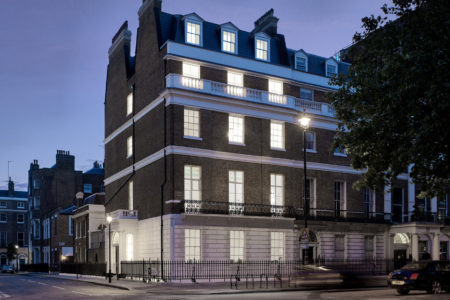
London is a city of layers. Georgian terraces, Victorian streets, post war estates, and contemporary infill projects sit side by side. In this environment, the strongest buildings are rarely those that ignore their surroundings. Contextual architecture is a design approach that responds to the physical, cultural, and environmental conditions of a place, rather than applying a one-size-fits-all style.
For homeowners and developers, contextual design matters because it often improves planning outcomes, creates more comfortable spaces, and produces architecture that feels grounded rather than generic. In London, especially, where local character, neighbours, and policy constraints shape what is possible, context is not a nice-to-have. It is a practical design tool.
Context is more than the look of the buildings next door. It includes street rhythm, scale, rooflines, boundary conditions, and how neighbouring homes relate to the public realm. It also includes less visible factors such as sunlight, privacy, noise, views, and how people move through and use the area.
Architects read context to understand what makes a place work. They then use that understanding to inform massing, proportions, openings, and how inside and outside connect. This creates designs that feel intentional and appropriate, even when they are contemporary.
Local authorities often assess whether a proposal preserves local character and avoids harm to neighbours. In many London boroughs, design policies explicitly reference townscape, conservation guidance, and the cumulative impact of development. Contextual architecture helps demonstrate that a project belongs, even when it introduces new elements.
This does not mean copying. It means understanding what is valued and responding intelligently. A well-argued contextual design can reduce objections, strengthen the planning narrative, and make officer decisions easier because the proposal clearly fits within the logic of the area.
Much of London’s residential work involves extending or adapting existing homes. Contextual architecture can create a strong dialogue between original and new elements through proportion, material choice, and careful junction detailing. The goal is coherence. The extension should feel like a deliberate piece of architecture, not an add-on that disrupts the building.
In many cases, the strongest solutions use contrast in a controlled way. A contemporary rear extension can work beautifully against a Victorian terrace when the scale is right, the openings are composed thoughtfully, and the materials feel considered rather than arbitrary.
Context includes climate and comfort. London homes face increasing overheating risk in summer, higher expectations around energy performance, and ongoing challenges related to noise and air quality in dense areas. A contextual approach considers these realities early rather than treating them as technical add-ons later.
This affects window design, ventilation strategy, shading, insulation, and how internal layouts relate to noisy streets versus quieter gardens. When these decisions are made as part of the design, homes feel more comfortable and perform better long term.
Context is not only external. Internally, it means responding to how the home is used and how conditions change from front to back. For example, many London terraces have different light and noise conditions on the front street side compared to the rear garden side. A contextual plan places the right rooms in the right locations.
It also considers the existing structure. Rather than forcing a generic layout, contextual design works with the building’s constraints and opportunities, such as stair positions, party walls, and window locations, to create a plan that feels natural.
Buildings that feel connected to place tend to age better. They are less likely to feel dated quickly because their design choices are anchored in local character and environmental reality rather than short-lived trends. In London, where buyers often value coherence, heritage sensitivity, and well-resolved extensions, contextual design can support desirability and resilience over time.
Contextual architecture can also reduce risk. A design that respects neighbours and policies is less likely to face planning refusal, enforcement issues, or disputes, which protects both programme and resale confidence.
Contextual architecture is about designing with the place, not against it. In London, context includes street scale, materials, heritage character, privacy, daylight, and the environmental realities of dense urban living. When architects respond to these factors, projects are more likely to gain approval, feel comfortable, and age well over time.
If you are planning a London home extension, refurbishment, or commercial project and want architecture that feels grounded, intelligent, and appropriate to its setting, Found Associates can help you shape a contextual design strategy from concept through delivery.
Does Contextual Mean Copying The Neighbours?
No. It means responding to scale, rhythm, and material character, while still allowing contemporary design where appropriate.
Why Do Councils Care About Context?
Because proposals should respect local character, protect neighbours, and contribute positively to the street and area.
Can A Modern Extension Still Be Contextual?
Yes. A modern extension can be contextual through proportion, massing, and careful material choices that relate to the existing building.
How Does Context Affect Internal Layout?
It influences where light is best, where noise is strongest, and how privacy should be managed from front to back.
Will Contextual Design Help Resale?
Often yes. Buyers tend to value homes that feel coherent, well considered, and appropriate to their setting.
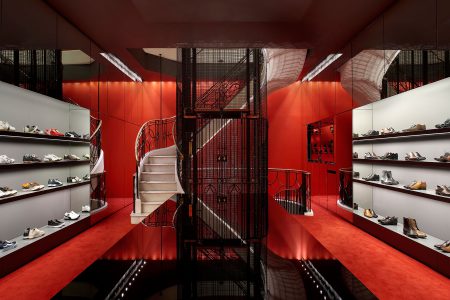
In commercial environments, design directly affects how people move, how long they stay, and what they remember. Customers rarely describe a layout in technical terms, but they react instinctively to comfort, clarity, and atmosphere. A space can feel inviting or awkward within seconds, and that impression often shapes whether someone browses, buys, returns, or recommends.
Architecture influences behaviour through circulation, lighting, acoustics, visibility, temperature, and the subtle cues that make a space feel welcoming or confusing. When these elements are designed intentionally, commercial spaces can support higher dwell time, better conversion, and stronger brand loyalty without relying on constant operational intervention.
The entry moment sets expectations. If the approach is unclear, the threshold feels unwelcoming, or customers do not immediately understand where to go, they may hesitate or leave quickly. Strong commercial architecture makes arrival intuitive through visibility, lighting, and spatial cues.
An effective arrival sequence also manages the transition from street to interior. Customers need a brief moment to orient themselves. A well designed entrance creates a sense of comfort and confidence, which increases the likelihood of engagement.
People prefer routes that feel natural. Narrow pinch points, awkward turns, dead ends, and unclear hierarchies create friction. Even if a customer cannot explain why, they feel less comfortable and are less likely to explore. Architecture guides movement by creating obvious primary paths and secondary routes that encourage browsing.
In retail, circulation affects product discovery and browsing time. In hospitality, it affects seating comfort, queue management, and staff efficiency. In workplaces, it affects how visitors interpret professionalism and order.
Customers make decisions based on what they can see. Good sightlines reduce stress because people can understand what is available and where key functions are located. If customers cannot quickly find seating, service counters, or key products, they are more likely to disengage.
Architecture can also control what is revealed and when. In some brands, gradual discovery supports curiosity. In others, immediate clarity supports speed. Either way, sightlines should be deliberate, not accidental.
Comfort increases time spent. Lighting plays a major role because it affects mood, perceived quality, and how products or food appear. Harsh lighting can increase stress and shorten visits. Overly dim lighting can create uncertainty and reduce browsing. The best spaces use layered lighting that supports both ambience and practical tasks.
Daylight can be a strong asset, but it must be controlled. Glare, overheating, and inconsistent brightness can undermine comfort. Architects design glazing, shading, and artificial lighting together so the space stays usable throughout the day.
Noise influences behaviour more than many businesses realise. If a café is too loud, customers leave sooner. If a retail environment is harsh and echoing, browsing becomes tiring. If an office reception is noisy, the business can feel chaotic rather than professional.
Architectural design can manage acoustics through zoning, ceiling treatments, soft finishes, and layout choices that separate loud and quiet areas. This improves customer comfort and supports different behaviours, such as relaxed conversation or focused browsing.
People are sensitive to crowding. Even when a space is not full, poor layout can make it feel cramped. Narrow aisles, tight seating, and unclear queue zones increase stress and reduce time spent. Good architecture creates breathing room through smart planning, not necessarily more square metres.
In hospitality, spacing affects comfort, perceived service quality, and repeat visits. In retail, it affects browsing behaviour and whether customers feel comfortable lingering.
Customers quickly judge whether a business is credible and cared for. Materials, detailing, cleanliness, and spatial order communicate quality. Architecture supports this by designing spaces that are easy to maintain, with storage and service zones that keep operational mess hidden from customer view.
When back of house planning is weak, clutter spills into the customer area. When it is strong, the experience feels calm and premium even during busy periods.
Conversion is often a product of reduced friction. Customers are more likely to buy when they can move easily, understand what is offered, and feel comfortable. Architecture influences conversion by supporting smooth flow from entry to engagement to transaction.
In retail, this might mean planning circulation that naturally loops past key products. In hospitality, it might mean placing ordering points and seating with clear understanding of how people arrive, queue, and settle.
Architecture influences customer behaviour by shaping first impressions, movement, comfort, visibility, acoustics, and perceived quality. When these elements are designed intentionally, commercial spaces support longer dwell time, easier navigation, better conversion, and stronger loyalty. The best commercial environments feel effortless to use because the design removes friction and supports the behaviour the business wants.
If you are planning a commercial space in London and want design decisions that support both brand experience and operational performance, Found Associates can help you create a space that works beautifully for customers and teams alike.
Can Layout Really Affect Sales?
Yes. Clear circulation and product visibility reduce friction and help customers move comfortably through key zones, which often supports higher engagement and conversion.
What Makes A Commercial Space Feel Premium?
Balanced lighting, good acoustics, durable materials, and clean detailing often drive higher perceived quality and trust.
How Can Design Increase Dwell Time?
Comfortable seating, good air quality, appropriate noise levels, and intuitive navigation encourage customers to stay longer.
Does Street Presence Matter?
Yes. Clear entrance visibility, active frontage, and good lighting can increase footfall and strengthen first impressions.
When Should A Business Involve An Architect?
Early. Architectural planning supports customer experience and operational efficiency, reducing costly changes later.

A home that works beautifully today can feel compromised in ten years if it is designed too tightly around current habits or short-term trends. Homes that age well have flexible planning, durable materials, and thoughtful detailing that support comfort through different life stages. They also perform well, staying warm in winter, comfortable in summer, and easy to maintain as years pass.
Architects design with time in mind. They anticipate how families grow, how accessibility needs may change, and how building performance expectations evolve, so the home remains practical, efficient, and valuable. The goal is not to predict the future perfectly. It is to create a home that can adapt without expensive or disruptive changes.
The most future-proof homes are not the most complicated. They are the ones with room proportions and circulation that allow spaces to shift use naturally. A spare room can become a home office, a nursery, or a guest room. A ground-floor study can become a bedroom later. When these transitions are planned from the start, the home stays functional without major rework.
Architects often avoid overly narrow rooms, awkward corners, and circulation that relies on passing through other rooms. Flexibility improves privacy, supports changing routines, and keeps the home feeling calm as needs evolve.
Natural light and good air quality never go out of style. Homes that age well are designed around orientation, daylight access, glare control, and ventilation routes that work in daily life. These fundamentals support well-being and reduce the need for mechanical fixes or constant adjustments later.
Architects think about where light enters, how deep floor plans affect brightness, and how rooms will feel throughout the day. Ventilation is equally important. A home that can be aired naturally without discomfort is less likely to suffer from condensation, mould, or overheating.
Materials influence how a home looks after years of use. High-quality design is not only about expensive finishes. It is about choosing materials that suit the way a space will be used and detailing them so they wear well. Durable decisions reduce maintenance, prevent premature replacement, and protect long-term value.
Architects often prioritise junctions and edge details because they are the first places where wear and defects show up. A well-detailed threshold, window reveal, or wet area junction can make the difference between a home that stays crisp and one that ages quickly.
Regulations and buyer expectations continue to rise. A home designed with strong energy performance is more comfortable, cheaper to run, and more competitive on the market over time. Architects usually start with a fabric-first mindset, improving insulation, airtightness, and glazing performance so comfort is built in rather than added later.
Where budgets allow, architects also plan for future upgrades. A home may not install solar panels immediately, but it can be designed to make it easy later. Heating systems can be planned so switching to a low-carbon option is less disruptive.
Trends come and go, but proportion, light, and spatial clarity remain. Homes that age well often feel calm and balanced. They do not rely on gimmicks. Architects use proportion, rhythm, and hierarchy so rooms feel right even as furniture and tastes change.
This also applies to external design. Extensions that respect scale and massing tend to feel less dated. Interiors with simple, consistent material palettes are easier to update over time without feeling disjointed.
A home that responds to its street, its neighbours, and its local character tends to age better. Contextual design is not about copying. It is about understanding the patterns that make an area feel coherent and designing within that framework.
This can also protect value because homes that sit comfortably in their context often face fewer planning issues and attract buyers who want a home that feels appropriate to its setting. In London, especially, where character and conservation considerations are common, contextual design can be a major advantage.
A home can be beautiful and still fail if daily life feels hard. Homes that age well handle the messiness of real living. They have places for coats, shoes, cleaning items, recycling, and storage. They also plan for services and maintenance access so the building is easier to run.
Architects often build robustness into the plan through utility zones, integrated storage, and logical adjacencies that reduce friction, such as a practical route from entrance to kitchen or a calm landing with storage rather than clutter.
Homes that age well are not defined by a single style. They succeed because they are flexible, comfortable, efficient, and thoughtfully detailed. Architects design for long-term life by planning adaptable layouts, improving daylight and ventilation, selecting durable materials, and future-proofing energy performance. The result is a home that stays enjoyable to live in and remains desirable in the market as expectations evolve.
If you want a home that is designed to perform beautifully now and continue working for decades, Found Associatescan support you from early strategy through to delivery with a long-term design mindset.
What Makes A Home Future-Proof?
A future-proof home has adaptable layouts, good energy performance, durable materials, and the ability to upgrade systems over time.
Are Open Plan Homes Better Long Term?
They can be, but the best plans balance openness with options for privacy, acoustics, and flexible zoning.
Do Materials Really Affect Long-Term Value?
Yes. Durable, well-detailed materials reduce maintenance costs and keep the home looking premium for longer.
How Can I Plan For Accessibility Without Making The House Feel Clinical?
Good circulation, sensible door widths, and a flexible ground-floor room can support later changes without compromising design.
Should I Design For Resale Or For Myself?
Design for your life, but keep layouts and finishes broadly appealing and easy to adapt to protect future value.
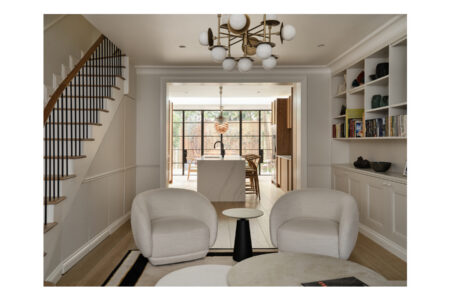
London homes often need to do more with less. With tighter footprints, higher property values, and busy lifestyles, the best layouts prioritise flow, natural light, storage, and flexibility. Modern living also includes working from home, hosting, and having a private retreat space, sometimes all within the same property. A great layout makes this feel effortless rather than cramped.
Architectural layout design is not about copying a trend. It is about tailoring a plan to your building type, your street context, and how you actually live, so every space earns its keep. The strongest London layouts reduce wasted circulation, improve daily routines, and make the home feel calm and generous.
Open plan living remains popular in London, but the best layouts use zoning so the space does not feel chaotic. Zoning means the kitchen, dining, and seating areas each have a clear place, while still feeling connected. This supports everyday function and makes hosting easier because people can gather without disrupting cooking and circulation.
Architects often use island positioning, furniture planning, and changes in ceiling height or floor finish to define zones without adding unnecessary walls. The goal is a sociable space with clear routes and enough breathing room.
Modern London layouts increasingly include a space that supports working from home. This does not always require a full separate room. It can be a pocket office, a joinery niche, or a flexible spare bedroom that can be closed off. The key is separation from high traffic areas, good daylight, and enough acoustic privacy to take calls comfortably.
Even in compact homes, a work zone is possible when circulation and storage are planned efficiently. When it is integrated early, it feels purposeful rather than improvised.
London homes benefit massively from storage that is designed in, not added later. When storage is planned strategically, rooms feel larger and more premium because surfaces stay clear and circulation stays uncluttered. Storage also supports flexible living, especially in homes where rooms need to shift function between weekday routines and weekend hosting.
Architects often create storage walls, under-stair solutions, and full-height joinery zones that maximise capacity without reducing usable space. The best storage is positioned where you naturally need it.
Many London homes are vertical. In terraces and townhouses, the relationship between floors matters as much as individual rooms. Poorly lit stairs and awkward landings can make the home feel chopped up. Good layouts improve vertical flow and use stairs as part of the spatial experience, not just a connector.
Where feasible, rooflights over stairwells, glazed internal screens, or reconfigured landings can bring daylight into the centre of the plan. This is especially valuable in deeper Victorian houses where the middle can feel dark.
London streets can be busy. Good layouts protect privacy while still benefiting from light and views. Architects often use a front and back zoning strategy, placing quieter private rooms away from noise sources when possible, and using buffers such as bathrooms, storage, or stair zones near the street side.
Privacy also matters inside the home. Layouts that avoid direct views into bedrooms from main circulation often feel more refined and comfortable, particularly in family homes.
Even small gardens, terraces, or balconies can transform the feel of a London home if the layout supports daily access. The best layouts create a strong relationship between the main living space and the outdoors, making it easy to step out with coffee, open the home in summer, and host in warmer months.
Architectural strategies include aligning key spaces to outdoor access, improving thresholds, and designing glazing to enhance light without overheating. Outdoor connection also supports wellbeing and perceived space.
In many London homes, bathrooms and utility areas must be compact. The best layouts still make these spaces feel functional by planning clear zones, storage, and good ventilation from the outset. Poorly planned bathrooms are a daily frustration and can reduce resale appeal.
Architects often prioritise efficient planning, clean circulation, and ventilation strategies that reduce condensation risk, especially in older properties.
The best architectural layouts for modern London living balance sociable open plan zones with privacy, integrate working from home needs, and use storage-led planning to reduce clutter. They improve daylight, reduce wasted circulation, and strengthen the connection to outdoor space, even in tight footprints. Above all, they are designed around how people actually live, not generic room templates.
If you are planning to reconfigure, extend, or improve the layout of a London home and want a plan that feels calm, functional, and future-proof, Found Associates can help you shape a layout that adds comfort and long-term value.
Is Open Plan Always The Best Layout Choice?
Not always. Open plan can work well, but the best layouts use zoning and also provide options for privacy and quiet, especially for work from home.
How Can I Add Storage Without Losing Space?
Built-in storage in hallways, under stairs, and along full-height walls often adds capacity without shrinking rooms.
Where Should A Home Office Go In A London Terrace?
A quiet room at the front or a rear pocket space with daylight usually works best, away from the busiest living zones.
How Do Architects Make Small Homes Feel Bigger?
They improve light, remove unnecessary pinch points, and plan circulation to reduce wasted space while integrating storage.
Does Replanning Improve Resale Value?
Often yes. Buyers respond strongly to good flow, practical storage, and bright, well-zoned living spaces.
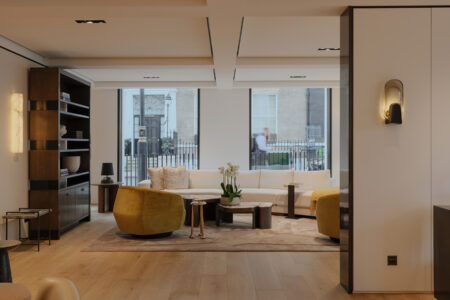
London businesses are rethinking what commercial space needs to do. Offices, retail, hospitality, and mixed-use environments are being designed to support flexibility, brand experience, wellbeing, and sustainability, often within tighter footprints and more complex urban contexts. Customers and staff now expect spaces that feel intuitive, comfortable, and distinctive, not just functional.
For owners and operators, architecture has become a business tool. The best commercial spaces support staff retention, customer loyalty, operational efficiency, and long-term resilience. They also need to respond to planning expectations, heritage context, and environmental performance targets that are increasingly shaping what gets approved and what performs well day to day.
Commercial design in London is moving beyond neutral fit-outs. Many businesses now treat their environment as a physical expression of their brand. This does not mean adding loud graphics everywhere. It means using space, light, texture, and sequencing to communicate values and create a memorable experience.
A strong experience often makes space feel easy to navigate. Customers understand where to go without confusion, and the environment supports the type of behaviour the business wants, such as browsing, staying longer, or engaging with staff.
London’s commercial space needs to evolve quickly. Offices are responding to hybrid work patterns with more varied layouts that balance focus, collaboration, and social interaction. Retail and hospitality spaces are also being planned to support change, with layouts that can shift for launches, events, or seasonal needs without major disruption.
Flexibility is not only about movable furniture. It also includes power planning, storage strategy, acoustics, and circulation routes that still work when spaces are rearranged.
Wellbeing has become a key driver in commercial architecture. In practical terms, this means better daylight, improved air quality, smarter acoustics, and thermal comfort that does not rely on constant adjustment. In London, where many commercial buildings are in dense areas, performance also depends on controlling noise, glare, and overheating.
Businesses increasingly recognise that comfort supports productivity and dwell time. People stay longer in spaces that feel calm and easy, and staff perform better when the environment reduces fatigue.
One of the biggest trends shaping London is retrofit-first thinking. Instead of demolishing and rebuilding, many businesses are choosing to reuse existing structures and upgrade performance. This can reduce embodied carbon, shorten programmes, and preserve the character that often makes London buildings desirable in the first place.
Retrofitting also aligns with planning realities, particularly in heritage contexts where retaining existing fabric can support approvals and maintain local identity. A well-executed retrofit can feel contemporary while still respecting the building’s history.
Sustainability is no longer hidden behind technical documents. Many businesses want sustainability to be visible to customers and meaningful to staff. This can show up through material choices, daylight use, reduced waste fit-out strategies, and spaces designed for longevity rather than short cycles of replacement.
In London’s competitive market, sustainability can also be a brand differentiator. Spaces that feel healthy, low-waste, and thoughtfully specified often attract partners, tenants, and customers who value responsibility and quality.
Commercial projects increasingly need to contribute to the street. A strong frontage, good lighting, and an active edge can increase footfall and improve perception of safety and quality. For hospitality, the relationship to the pavement and outdoor space can influence capacity and customer appeal. For workplaces, the entrance sequence and ground floor activation can shape the daily experience for staff and visitors.
Placemaking does not require large budgets. Small decisions about transparency, thresholds, and lighting can make a major difference.
In London, every square metre costs. Businesses want layouts that are not only attractive but operationally efficient. This includes better back-of-house planning, logical service routes, and storage that reduces clutter in customer-facing areas. The best spaces reduce staff travel distance, keep queues controlled, and make cleaning and maintenance easier.
Operational design is often where commercial projects win or lose value. A visually impressive space that slows service or creates constant congestion can underperform quickly.
Technology is now part of the architecture. Businesses require strong connectivity, adaptable lighting controls, and often integrated security and access systems. The trend is toward seamless integration rather than visible clutter. Customers and staff want tech to work effortlessly without dominating the environment.
Good coordination is essential so devices, screens, speakers, and sensors support the design rather than interrupt it.
Commercial architecture in London is being shaped by experience-led design, flexible planning, wellbeing performance, retrofit-first strategies, and sustainability that is both measurable and visible. The strongest projects combine brand identity with operational efficiency, creating spaces that people enjoy using and businesses benefit from running.
If you are planning a commercial project in London and want a space that performs, adapts, and reflects your brand with clarity, Found Associates can support you from early strategy through design development and delivery.
What Are The Biggest Commercial Architecture Trends In London Right Now?
Experience-led design, flexible layouts, wellbeing-focused performance, retrofit-first approaches, and sustainability-driven material and energy strategies are shaping many projects.
Why Are Businesses Choosing Retrofit Instead Of Rebuild?
Retrofit can reduce embodied carbon, protect character, and often works better with planning constraints, especially in heritage contexts common across London.
How Does Design Affect Customer Behaviour?
Layout, circulation, lighting, acoustics, and comfort influence how people move, how long they stay, and how they perceive quality and trust.
What Should A Small Business Prioritise In A Limited Space?
Clear circulation, smart storage, good lighting, and operational efficiency usually deliver the biggest impact for both customer experience and day-to-day running.
How Early Should An Architect Be Involved?
As early as possible. Early involvement improves feasibility, supports planning strategy, and reduces costly redesign later.
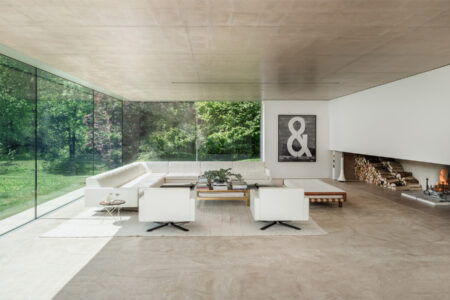
Choosing how to deliver your home renovation or extension can shape cost, stress levels, and the final result. Two common routes are appointing a residential architect and tendering to a contractor, or using a design-and-build company that provides both design and construction under one umbrella.
Neither option is automatically better. The right choice depends on your priorities, how complex the project is, and whether you want independent design advocacy or a single point of responsibility.
With a residential architect-led route, you appoint an architect to design, secure approvals, and prepare technical information. You then appoint a builder, often via tender, to construct the project. This approach separates design from construction, which can help keep design decisions focused on quality and long-term performance.
With design and build, you appoint a company that provides design services and construction delivery. The design may be done in-house or by an external designer partnered with the contractor, and the whole service is usually delivered under one contract.
If design quality, spatial performance, and long-term value are central, an architect-led approach often provides stronger outcomes. Your architect is working for you, and their job is to explore options, challenge compromises, and protect design intent through approvals and delivery.
Design and build can also deliver excellent results, but design decisions may be influenced by buildability and margin. To avoid a basic solution, the design scope should be clearly defined, including how many design iterations are included and what level of detail you will receive.
Design and build can feel simpler because you receive a package price earlier. However, that early price may be based on allowances and assumptions if technical detail is limited, which can lead to adjustments once construction begins and hidden conditions are revealed.
Architect-led routes can take longer to price because drawings and specifications are developed before tender. The benefit is better pricing transparency, clearer inclusions, and fewer surprises if the information is robust and the scope is well defined.
Design and build can be faster to start because the same team can progress design decisions and construction planning together. For straightforward projects, this can be efficient, especially when you want a simpler route with fewer consultants to coordinate.
Architect-led routes may take longer upfront, but can reduce on-site decision pressure. When details are resolved earlier, construction can run more smoothly, with fewer urgent choices made under time pressure once the build is underway.
Architect-led projects are often best for complex renovations, planning sensitive sites, or clients who want strong design outcomes and independent oversight. This route is also helpful when you want the option to tender to multiple contractors to test pricing and capability.
Design and build can suit simpler extensions, clients who prefer one point of contact, and projects where speed and delivery simplicity are the primary goals, as long as the scope is transparent and design expectations are agreed upon early.
If you are deciding between an architect-led route and design and build, start by clarifying what matters most to you. If you want independent design advocacy, detailed control, and a process that protects spatial quality, an architect-led approach is often the stronger fit. If simplicity and single-point delivery are your priorities, design and build can work well with a clearly defined scope and specifications.
If you want your project to be guided by strong design thinking from the earliest strategy through to delivery, Found Associates can support you in choosing the right route and shaping a process that suits your home and your goals.
Is Design And Build Cheaper Than Using An Architect?
Not always. Design and build can reduce coordination, but quality, scope, allowances, and specifications determine the final cost.
Who Owns The Design In Design And Build?
Usually, the contractor. Ensure the contract clearly states what design services are included and what deliverables you receive.
Can I Still Use An Architect With A Design And Build Contractor?
Yes. Some clients appoint an architect as an independent advisor while using a design and build contractor for delivery.
Which Route Reduces Variations?
A clear scope reduces variations in both routes. Architect-led tenders often reduce ambiguity because technical detail is resolved earlier.
Which Route Is Faster?
Design and build can be faster to start, but overall speed depends on planning, decisions, and build complexity.
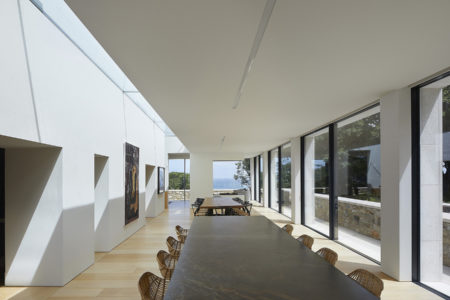
When you hear the word architect, it is easy to picture someone producing drawings for planning permission. In reality, a good architect supports your project from the earliest idea through to the finished building. Their role changes at each stage, moving from big picture design thinking to detailed coordination and on-site problem solving.
Knowing what to expect helps you get more value from the relationship. It also makes timelines, costs, and responsibilities clearer, especially on residential projects where homeowners may be managing a build for the first time.
These early stages are about clarity. The architect helps translate your goals into a workable brief and tests what is realistic for your property, planning context, and budget. This is also where risks are identified early, so you avoid expensive redesign later.
A strong brief is not just a wish list. It sets priorities, defines success, and makes decision-making easier once drawings begin to develop.
This is where options become visible. The architect explores layouts, massing, and how the project will feel day to day. The goal is a concept that works spatially and can be delivered within constraints, not just something that looks good in plan.
For homeowners, this stage is often the most valuable because design choices here influence everything later, including cost, buildability, and long-term comfort.
If planning permission is required, the architect develops the design to a level suitable for submission and manages the application. They prepare the drawings and supporting information and respond to planning officer feedback.
A careful planning submission can reduce delays by anticipating what the local authority will focus on, particularly in London, where borough policies and local character considerations often play a major role.
After planning, technical design turns the concept into buildable information. This stage is where many quality and cost outcomes are decided, because details, specifications, and interfaces between trades are resolved.
Building regulations cover structural integrity, fire safety, insulation, ventilation, drainage, and more. Your architect coordinates inputs from consultants, resolves details, and produces drawings that reduce ambiguity on site.
If you are tendering, the architect can help package the information for contractors, answer questions, and compare quotations on a like-for-like basis. This protects you from selecting a low price that excludes key scope and later becomes a series of costly variations.
Even if you already have a preferred builder, tender style documentation helps clarify exactly what is included, so both sides are aligned before work begins.
During construction, the architect acts as a design guardian. They help manage changes, respond to technical queries, and review progress against the design intent. This can be especially valuable when unexpected site conditions appear, such as hidden structural issues or service conflicts.
At completion, the architect can support snagging and documentation so you finish with a home that performs properly and has the paperwork needed for warranties, building control sign-off, and future resale.
If you want your project to be designed with clarity, strong spatial thinking, and a smooth route through approvals and delivery, Found Associates can support you from early strategy through to completion.
Do I Need An Architect For Every Stage?
Not always. Many clients appoint an architect for defined stages, but full stage services often provide better control of quality, cost, and delivery.
Can An Architect Help With Planning Permission?
Yes. Architects prepare planning drawings, advise on strategy, and manage submissions and revisions with the local authority.
What Is The Difference Between Planning And Technical Drawings?
Planning drawings communicate overall design and massing, while technical drawings include detailed build information for building regulations and construction.
Will An Architect Work With My Builder?
Yes. Architects coordinate with contractors, answer site questions, and can review work to protect design intent.
When Should I Appoint An Architect?
As early as possible. Early input improves feasibility, reduces redesign, and strengthens planning and budget decisions.
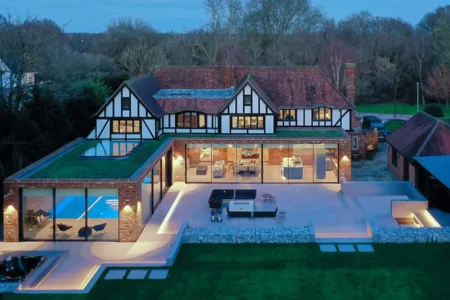
For many homeowners, renovation decisions are not only about improving daily living but also about protecting or increasing long-term property value. Whether you are planning to sell in a few years or simply want to future-proof your investment, design quality plays a significant role in how your home is perceived on the market.
An architect does far more than produce drawings. Through thoughtful planning, structural clarity, and strategic space optimisation, architectural input can significantly enhance both the desirability and financial value of your property. The key lies in understanding how design decisions translate into buyer appeal.
Property value is influenced by location, size, condition, and layout. While you cannot change location, you can influence how effectively your home functions and presents itself.
Architectural design can improve:
Buyers are often willing to pay more for homes that feel spacious, bright, and well considered. Poor layouts or awkward extensions can limit value even if square footage increases.
One of the most powerful ways an architect adds value is through intelligent space planning. Rather than simply increasing floor area, architects focus on how every square metre performs.
This may involve:
A smaller but well-designed home often feels more premium than a larger but inefficient one. Perceived space is just as important as actual size when buyers assess value.
Natural light is one of the most desirable features for buyers. Dark interiors can reduce appeal even if the property is structurally sound.
An architect can increase light levels by:
Homes that feel bright and airy photograph better, show better during viewings, and attract stronger offers.
Energy efficiency is increasingly important in the UK property market. With rising energy costs and stronger environmental awareness, buyers pay close attention to EPC ratings and insulation performance.
Architectural upgrades can improve:
Better energy performance can increase resale value while also reducing running costs during ownership. Homes that meet modern efficiency expectations are more competitive in the marketplace.
Not all renovations increase property value. In some cases, poorly considered extensions or over-personalised interiors can limit appeal.
Architects help prevent:
Understanding local market context is crucial. Expanding significantly in an area where price ceilings are limited may not produce proportional returns. Professional guidance ensures improvements align with realistic market potential.
Properties with approved and compliant structural work are more attractive to buyers. Unauthorised alterations or incomplete paperwork can delay sales or reduce buyer confidence.
An architect ensures:
Clear documentation and professional oversight add credibility during the resale process.
Beyond functionality, architectural coherence influences emotional response. Buyers are drawn to homes that feel unified rather than pieced together.
An architect can ensure:
This consistency elevates the perceived quality of the property and distinguishes it from generic renovations.
A common question is whether the cost of hiring an architect will outweigh the resale benefit. The answer depends on the scale and quality of the intervention.
Architectural input often delivers value by:
In competitive markets, well-designed homes frequently sell faster and closer to the asking price. While design alone does not guarantee profit, it significantly improves positioning.
Homes that adapt to evolving needs tend to hold value better over time. Flexible layouts, home office integration, and adaptable spaces have become increasingly important.
Architectural planning can include:
Properties designed with flexibility in mind appeal to a broader range of buyers.
Resale value is not purely mathematical. Buyer perception drives demand. When prospective buyers walk into a home that feels thoughtfully designed, spacious, and well-lit, they often form stronger emotional connections.
Architectural improvements enhance:
This emotional response can translate into stronger offers and faster transactions.
Yes, an architect can help increase the resale value of your property, but the impact depends on strategic, well-considered design rather than simply adding square footage. Through intelligent space planning, improved natural light, energy efficiency upgrades, and cohesive structural integration, architectural input enhances both functionality and buyer appeal.
If you are planning renovations with future resale in mind, working with an experienced architectural team ensures your investment is aligned with market potential and long-term value. The team at Found Associates can guide you in creating a home that not only improves everyday living but also strengthens your property’s position in the marketplace.
Not necessarily. The design quality, local market conditions, and overall integration determine whether value increases.
In many cases, yes. Professional design can improve layout, light, and compliance, which strengthens buyer appeal.
Yes. Awkward layouts, unauthorised work, or overdevelopment can negatively impact resale value.
Improved EPC ratings and lower running costs are attractive to buyers and can enhance property value.
A balance is ideal. Personal comfort matters, but overly niche design choices may limit broader market appeal.
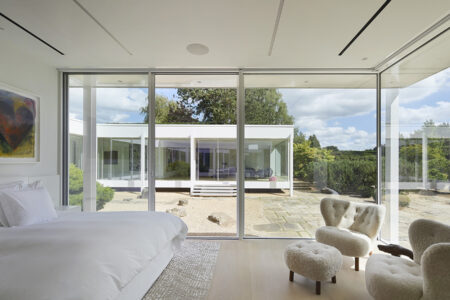
One of the most common questions homeowners ask at the start of a project is how involved they should be in the design process. Some clients worry about being too controlling, while others are concerned about handing over too much creative control. The reality is that successful architectural design is collaborative.
The right level of client input is not about quantity but quality. A well-managed design process balances professional expertise with personal insight. After all, you are the one who will live in the space. Your lifestyle, priorities, and preferences matter just as much as technical precision.
No architect, regardless of experience, can design a truly successful home without understanding the people who will use it. Client input forms the foundation of a meaningful brief.
Your involvement helps clarify:
Without this insight, design decisions may look good on paper but fail to support real life.
While client input is essential, the architect’s responsibility is to interpret and refine it. Architects translate ideas into workable solutions that meet regulations, structural requirements, and spatial logic.
An architect will:
The process works best when clients share aspirations openly and allow professionals to shape those ideas into cohesive design solutions.
The early briefing stage is where client involvement should be strongest. This is the moment to communicate clearly what you want to achieve.
Effective contributions at this stage include:
Clarity early on reduces redesign later. A detailed brief acts as a roadmap throughout the project.
As layouts and ideas begin to take shape, your feedback remains important but should become more focused.
At this stage, you should:
However, constant changes or introducing new ideas at every revision can slow progress. Trusting the design direction once agreed keeps momentum steady.
It is natural to feel protective of your home. However, overly prescriptive direction can restrict creative problem-solving.
For example:
Architects are trained to think spatially and holistically. Leaving room for design exploration often produces stronger results than rigid instruction.
The most successful projects allow dialogue rather than one-sided control.
Clients play a key role in decision-making throughout the process. Timely responses and clear approvals keep the project moving forward.
You are typically responsible for:
Delays often occur when decisions are postponed. Being responsive helps maintain programme timelines.
Once planning approval is secured, the project moves into technical detailing. Client input becomes more specific and focused on materials and finishes.
At this stage, you may be asked to:
Technical compliance and structural detailing remain primarily the architect’s responsibility. However, your aesthetic choices influence the final character of the project.
So, how much input is too much or too little? There is no exact formula, but balance is key.
Too little involvement may result in:
Too much control may lead to:
The ideal approach combines open communication, mutual respect, and clear roles.
Trust is central to any successful design relationship. Once your priorities are understood, allowing the architect to develop ideas with professional confidence often leads to more refined solutions.
An experienced architect can:
Healthy collaboration means listening on both sides. Clients bring lived experience. Architects bring technical and design expertise.
Client involvement is strongest at the beginning and becomes more selective as the project advances.
Typical pattern of involvement:
This gradual shift allows creativity and expertise to guide development while keeping your vision central.
Clients should have meaningful and consistent input throughout the design process, particularly at the briefing and concept stages. However, successful projects depend on collaboration rather than control. Your role is to communicate lifestyle needs, priorities, and preferences clearly. The architect’s role is to interpret those insights into safe, functional, and inspiring spaces.
Striking the right balance ensures the final design feels personal yet professionally resolved. If you are considering a renovation or new build and want a collaborative design experience grounded in clarity and trust, the team at Found Associates can guide you through every stage with transparency and expertise.
Yes. Visual references help communicate style preferences and spatial ideas clearly.
Changes are possible, especially early on. However, late-stage changes may affect cost and timelines.
Yes. Clients approve each stage before moving forward.
Yes. Frequent revisions or unclear direction can extend timelines and increase costs.
Be clear about priorities at the briefing stage and maintain open communication throughout the process.
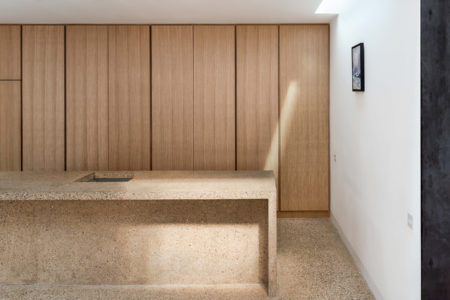
When planning a home project, many homeowners are unsure whether they need an architect, an interior designer, or both. The two roles are often confused because both focus on improving spaces. However, their training, responsibilities, and areas of expertise are quite different.
Understanding the distinction is important. Choosing the right professional at the right stage can save time, reduce costs, and ensure your project delivers both structural integrity and beautiful design. While architects and interior designers sometimes collaborate closely, their core roles serve different purposes within a project.
An architect is responsible for the overall design, structure, and technical performance of a building. Their work often begins before construction starts and can continue through to completion.
Architects typically handle:
Architects are trained in structural principles, building technology, environmental performance, and legal compliance. They ensure that a building is safe, functional, and meets regulatory standards.
If your project involves changing the structure of your home, adding an extension, converting a loft, or building from scratch, an architect is usually essential.
An interior designer focuses on the internal look, feel, and functionality of a space once the structure is established. Their expertise lies in aesthetics, material selection, finishes, and spatial atmosphere.
Interior designers typically manage:
While some interior designers may assist with space planning, they generally do not deal with structural changes or planning applications. Their focus is on enhancing the experience of living within the space rather than altering the building itself.
If your project is primarily about updating interiors without structural work, an interior designer may be the right choice.
Architects in the UK must complete a recognised qualification pathway, typically involving five to seven years of education and professional training. The title Architect is legally protected and regulated by the Architects Registration Board.
Interior designers do not require a legally protected title in the same way. While many hold formal qualifications and are members of professional bodies, the profession is not regulated to the same statutory level.
This difference reflects the technical and legal responsibilities architects carry, particularly regarding safety and compliance.
One of the clearest distinctions between the two roles is involvement in statutory approvals.
Architects:
Interior designers:
If your project requires approval from your local council, you will almost certainly need an architect or architectural professional.
In many residential projects, architects and interior designers work together to create cohesive results. An architect may design the building form and layout, while an interior designer refines the internal atmosphere and detailing.
You may benefit from both professionals if:
Collaboration between the two can elevate a project significantly, ensuring structural logic and aesthetic harmony are aligned.
A simple way to understand the difference is to consider scale and responsibility.
Architects focus on:
Interior designers focus on:
Architectural decisions shape how spaces connect and function. Interior design decisions shape how they feel.
Because architects are involved in planning, structural design, and construction documentation, their role typically begins earlier in the process. Their work influences overall project cost, planning timelines, and construction sequencing.
Interior designers often become more involved once the structural design is resolved. Their input influences finishes, fittings, and furnishings, which can significantly affect the final budget but not usually the planning stage.
Understanding when each professional contributes most effectively helps manage both cost and scheduling expectations.
Some architectural practices offer integrated interior design services, allowing clients to benefit from a unified approach. In these cases, the same team manages both structural design and interior detailing.
However, not all architects specialise in detailed interior styling, and not all interior designers have the training to handle structural design. Clarifying scope at the outset ensures responsibilities are clear.
For homeowners seeking a seamless result, working with a practice that understands both architectural form and interior experience can simplify coordination and improve cohesion.
To decide who you need, ask yourself the following:
If the answer involves structure or approvals, an architect is the starting point. If your focus is on visual refinement and interior styling without structural change, an interior designer may be sufficient.
For more comprehensive transformations, combining both skill sets often produces the strongest results.
The difference between an architect and an interior designer lies in responsibility, training, and scope. Architects shape the structure, layout, and compliance of a building. Interior designers shape the atmosphere, finishes, and lived experience.
Both roles are valuable, but they serve different stages and objectives within a project. If you are planning structural changes, extensions, or a new build, consulting an experienced architectural team is essential. To explore how thoughtful architectural design can support your home project from concept to completion, speak with the team at Found Associates for expert guidance tailored to your vision.
If no structural changes are involved, you may only need an interior designer. However, if walls are being removed or layouts changed, an architect is recommended.
Typically no. Planning applications are usually handled by architects or architectural professionals.
Architects prepare drawings and coordinate approvals to ensure compliance with building regulations.
Costs vary depending on the scope. For larger projects, having both can improve overall design quality and prevent costly redesigns.
Yes. Some architectural practices offer integrated architectural and interior design services for a cohesive approach.
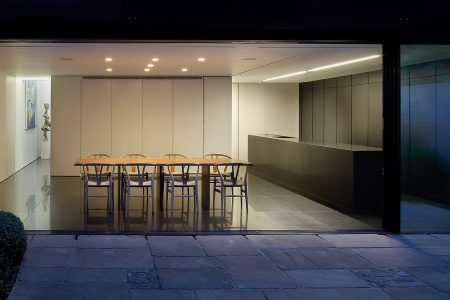
If you are planning a home extension, renovation, or new build, one of the first questions you will likely ask is how long the architectural design process actually takes. While every project is different, understanding the typical stages and timelines can help you plan realistically and avoid frustration.
In the UK, the architectural process involves more than just drawing plans. It includes briefing, concept development, planning approval, technical design, and coordination with consultants. Each phase plays a vital role in delivering a successful project, and the total timeframe depends on the complexity, approvals, and the speed of decision-making.
The architectural process in the UK generally follows the RIBA Plan of Work stages. While not every residential project requires all stages, most small to medium projects will move through similar steps.
Typical stages include:
Each of these stages has its own timeframe, and some can overlap depending on the project scope.
Timeframe: 1 to 3 weeks
This stage focuses on understanding your goals, budget, and constraints. The architect will assess the property, discuss your priorities, and help define a clear project brief.
This phase may take longer if:
Clarity at this stage helps prevent delays later. A well-defined brief speeds up the entire process.
Timeframe: 1 to 2 weeks
Before design begins, accurate measurements of the existing property are required. A measured survey ensures drawings reflect real dimensions and structural conditions.
For straightforward homes, surveys are relatively quick. Larger properties, listed buildings, or complex sites may require more detailed assessments.
This stage can sometimes run in parallel with brief refinement.
Timeframe: 3 to 6 weeks
This is where ideas begin to take shape. The architect will prepare layout options, explore spatial arrangements, and refine the design based on your feedback.
This stage often includes:
The duration depends heavily on how quickly decisions are made. Prompt feedback can shorten this stage, while multiple revisions will extend it.
For small renovations, this phase may be closer to three weeks. For extensions or reconfigurations, it often takes longer.
Preparation Time: 2 to 4 weeks
Council Determination Time: 8 weeks on average
Once the design is agreed upon, planning drawings are prepared and submitted. The local authority typically takes around eight weeks to determine a householder planning application.
However, timelines can vary depending on:
If revisions are requested, additional time may be required. In some cases, projects may fall under permitted development, avoiding the full planning process and reducing overall time.
Timeframe: 4 to 8 weeks
After planning approval, detailed technical drawings are prepared. These drawings specify structural details, insulation, drainage, fire safety measures, and construction information.
This stage may involve coordination with:
For small extensions, this phase may take around four weeks. Larger or more detailed projects can take longer, especially if bespoke materials or complex junctions are involved.
Timeframe: 4 to 6 weeks
If you are not using a design and build contractor, the project may go through a tender process. Builders are invited to price the work based on technical drawings.
This stage includes:
Taking time to evaluate builders carefully can prevent construction stage issues.
For a small extension or renovation requiring planning permission, the architectural design process usually takes:
This means around 5 to 7 months from the first consultation to being ready for construction.
If no planning permission is required, the process may be reduced to 3 to 5 months in total.
Larger new builds or complex renovations can take 8 to 12 months in design stages alone.
Several variables affect how long the process takes.
Structural changes, bespoke detailing, and heritage considerations all add time.
Conservation areas and listed buildings require additional documentation and approvals.
Delays often occur when decisions are postponed or design changes are introduced late.
Structural engineers and other consultants must align with the architectural timeline.
Planning departments vary in workload and response time.
Understanding these factors helps set realistic expectations from the outset.
Some elements can be streamlined, but certain timeframes, such as the eight-week planning determination period, are fixed.
You can help accelerate the process by:
Working with an experienced architectural team also reduces delays caused by incomplete submissions or regulatory misunderstandings.
While it is natural to want to begin construction quickly, rushing the design phase can lead to long-term compromises. Poorly resolved layouts, under-detailed drawings, or incomplete coordination often result in higher construction costs and on-site changes.
A carefully managed design process ensures:
In many cases, investing time upfront prevents stress during construction.
So, how long does the architectural design process take in the UK? For most small to medium residential projects, expect around five to seven months from first consultation to being ready for construction, longer if planning complexities are involved.
The timeline depends on scope, approvals, and decision-making speed. A structured and well-managed process ensures your renovation or extension is not only compliant but thoughtfully designed for long-term performance and value. If you are planning a project and want clear guidance on timescales and next steps, the team at Found Associates can help you navigate the process with confidence and clarity.
Most householder planning applications are determined within eight weeks, although complex cases can take longer.
No. Construction should not begin until planning permission and building regulations approval are secured, where required.
Approval can take several weeks, depending on the level of detail and local authority workload. Early preparation helps reduce delays.
Yes. If your project falls under permitted development rights, the planning stage can be bypassed, reducing the overall timeline.
Not necessarily. Complexity and regulatory requirements influence timescales more than budget size.
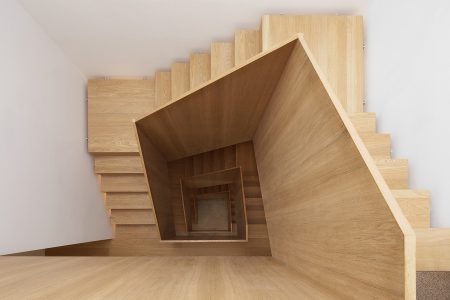
Planning a small renovation can feel straightforward at first. You might be thinking about removing a wall, updating a kitchen, converting a garage, or extending slightly into the garden. Because the scale feels manageable, many homeowners wonder whether hiring an architect is really necessary. The answer depends on your goals, the complexity of the work, and how much risk you are willing to manage on your own.
A small renovation still involves design decisions, regulations, structural considerations, budgeting, and coordination. Even modest changes can have a significant impact on how your home functions, feels, and performs. Understanding when professional architectural input adds value can help you avoid costly mistakes and achieve a better long-term result.
A small renovation usually refers to projects that do not involve building an entirely new property or undertaking a major multi-storey extension. However, small does not always mean simple.
Typical examples include:
Even these projects can require structural calculations, building regulations approval, and careful spatial planning. What appears minor on paper can have knock-on effects on light, ventilation, insulation, and circulation within the home.
There are situations where hiring an architect may not be essential. For example, if your renovation is purely cosmetic, such as replacing kitchen units in the same layout or updating finishes without altering the structure, you may be able to work directly with a contractor.
You might also manage without an architect if:
However, even in these cases, professional advice at an early stage can prevent design compromises or technical issues later in the process.
An architect becomes particularly valuable when your renovation involves structural changes, spatial reconfiguration, or planning considerations. Their expertise goes beyond drawing plans. They think holistically about how your home works.
You should strongly consider hiring an architect if:
Architects can spot opportunities you may not see. For example, a small extension combined with internal reconfiguration might create a far greater sense of space than a larger but poorly planned addition.
One common misconception is that architects simply produce drawings required for approval. In reality, their role is much broader.
An architect can help you:
In small homes, especially, every square metre matters. A well-designed small renovation often feels significantly larger than a poorly designed bigger one. Good design thinking can transform how you experience your home on a daily basis.
Even modest projects may require compliance with local planning policies and building regulations. Understanding the difference is crucial.
Planning permission focuses on how the development affects the external appearance and the surrounding area. Building regulations deal with structural integrity, fire safety, insulation, drainage, and more.
An architect can:
Navigating these requirements alone can be time-consuming and stressful. Errors in submissions may cause delays or redesign costs.
Homeowners often hesitate because of perceived cost. While hiring an architect is an upfront investment, it can save money overall.
Architectural input can help:
A thoughtful design may also reduce energy bills through better insulation, glazing choices, and orientation. Over time, these savings can outweigh initial design fees.
Importantly, architects can also help you align your design with your budget from the outset, preventing unrealistic expectations that lead to frustration during construction.
Some builders offer design and build services, which can work well for straightforward projects. However, there is a difference between designing for buildability and designing for quality of space.
A contractor’s primary focus is on construction delivery. An architect’s focus is on design quality, functionality, and long-term performance. Having an independent architect can also provide an additional layer of oversight during the build.
For homeowners who value considered design and wish to avoid compromises, involving an architect early can make the process smoother and more controlled.
Even a small renovation can significantly influence property value. Poor layout changes or awkward extensions may limit appeal. Well-designed improvements can do the opposite.
Architect-led renovations often:
If resale is a future consideration, investing in thoughtful design is particularly important.
Beyond design and regulations, there is also the question of confidence. Renovations can be disruptive and stressful. Having a professional guiding the process reduces uncertainty.
An architect can help you:
Even small projects can encounter unforeseen challenges once walls are opened or ground is excavated. Professional oversight ensures solutions are handled properly rather than improvised.
So, do you need an architect for a small renovation project? Not always. But if your renovation involves structural changes, layout improvements, planning considerations, or you simply want to maximise the potential of your home, the expertise of an architect can make a measurable difference.
A well-designed small renovation can transform how you live and significantly enhance property value. If you are considering improving your home and want thoughtful, practical design guidance, speak with the team at Found Associates to explore how professional architectural support can elevate your project from simple alteration to meaningful transformation.
If the wall is load-bearing, you will need structural calculations and building regulations approval. An architect can coordinate this and ensure the new layout works effectively.
Some builders provide design services, but they may not offer the same level of spatial design expertise or independent oversight as a qualified architect.
Yes, especially if you want to maximise light, flow, and long-term value. A well-designed small extension can feel significantly more spacious and functional.
Yes. Architects can assess whether permission is required, prepare drawings, and manage the application process with your local authority.
Fees vary depending on the scope and level of service. Many architects tailor their involvement to suit smaller projects and defined budgets.
https://www.architecture.com/knowledge-and-resources/resources-landing-page/working-with-an-architect
https://www.planningportal.co.uk
https://www.designingbuildings.co.uk/wiki/Building_regulations_in_the_UK
https://www.ribaplanofwork.com
https://foundassociates.com/
Interior design is often seen as something purely visual – beautiful furniture, stylish colour palettes, and carefully chosen décor. But in reality, the spaces we live and work in have a powerful effect on how we feel every day. From your morning routine to your ability to focus, relax, or sleep well, your environment shapes your mood and productivity more than you may realise.
A well-designed home can make you feel calm, energised, and in control. A poorly designed space, on the other hand, can increase stress, reduce focus, and make even simple tasks feel harder. The good news is that improving your space doesn’t always require a full renovation. Small, intentional design choices can create a noticeable difference in your daily life.
Below, we explore the key ways interior design impacts your mood and productivity, and how you can apply design-led thinking to create a home that supports you better.
Your brain responds constantly to what’s around you. Lighting, clutter, noise, and layout all send signals that influence your energy levels and emotions. Interior design works best when it supports your lifestyle, reduces friction, and creates a sense of comfort.
A space that supports well-being typically feels:
When your home feels organised and intentional, it becomes easier to stay productive, rest properly, and feel more positive overall.
Natural light is one of the most important design elements for both mood and productivity. Bright, daylight-filled rooms can help you feel more alert, motivated, and mentally refreshed.
Benefits of natural light in interiors include:
Ways to increase natural light at home:
Even small changes can make a room feel brighter and more energising.
Colour has a subtle but powerful impact on emotions. The right palette can create calm, focus, warmth, or energy depending on how it’s used.
Common colour effects include:
To keep colour productive and balanced, consider:
The goal isn’t to follow trends—it’s to create a palette that supports your lifestyle and emotional comfort.
A home that feels awkward to move through can create daily frustration. Poor layouts often lead to clutter, wasted space, and constant inconvenience. A well-planned layout supports routines and makes everyday tasks easier.
Signs your layout may be affecting your mood:
Layout improvements that boost productivity include:
Good flow creates a sense of ease—making your home feel calmer and more supportive.
Clutter isn’t just a visual issue. It can create mental noise and make it harder to focus, relax, or feel in control of your environment. When surfaces are overloaded, your brain processes more stimuli, which can increase stress.
Clutter commonly impacts you by:
Design-led ways to reduce clutter include:
A tidy home doesn’t need to be minimalist—it just needs to feel manageable and functional.
Productivity isn’t only mental—it’s physical. If your chair is uncomfortable, your desk is too low, or your lighting causes strain, your body will tire faster, and your focus will drop.
Comfort upgrades that improve productivity:
Even in small apartments, creating a comfortable work setup can make a noticeable difference to daily performance and energy.
Lighting is often overlooked, but it has a major impact on how a space feels. Harsh overhead lighting can make a home feel cold and uninviting, while warm layered lighting creates comfort and focus.
A well-designed lighting plan includes:
Easy lighting upgrades include:
Good lighting supports productivity during the day and helps you unwind at night.
A home can look beautiful but still feel “cold” if it lacks texture. Texture creates comfort and softness, which directly affects mood and well-being.
Mood-boosting textures include:
Layering texture helps a space feel welcoming and lived-in, which supports emotional comfort throughout the day.
A space feels better when it feels like yours. Personal touches can improve mood because they create familiarity and comfort. This doesn’t mean filling your home with clutter; it means adding meaningful elements.
Ways to personalise without overwhelming the space:
When your home reflects your personality, it becomes more emotionally supportive.
Your mood and productivity depend heavily on sleep quality. Bedrooms that feel calm, dark enough at night, and comfortable can improve rest and reduce stress.
Bedroom design choices that support better sleep:
A restful bedroom helps you wake up feeling more refreshed, motivated, and emotionally balanced.
Interior design is not just about appearance, it’s about how you feel in your space every day. From natural light and layout flow to colour, comfort, and clutter control, design directly impacts your mood, focus, and productivity. When your home is thoughtfully designed, daily routines feel easier, stress is reduced, and your environment becomes a source of calm and motivation.
If you’re looking to create a home that feels as good as it looks, Found Associates offers a design-led approach to architecture and interiors, shaping spaces that support modern living with elegance and purpose. Explore their work at Found Associates.
Yes. Lighting, colour, layout, and clutter all influence how calm, energised, or stressed you feel in a space.
A clear layout, good lighting, minimal clutter, and an ergonomic workspace setup are the most effective choices for productivity.
Natural light helps regulate energy levels, improves focus, and makes spaces feel more open and uplifting, supporting better daily performance.
Soft neutrals, muted greens, and gentle blues are often associated with calmness and focus, especially in work and rest areas.
Start with decluttering, upgrading lighting, adding storage, improving furniture layout, and introducing calming colours and textures.
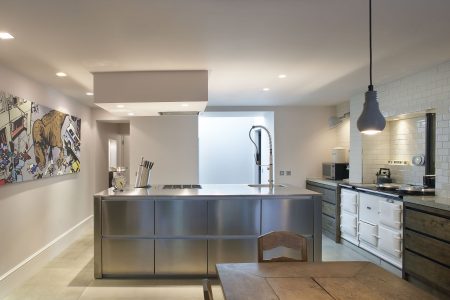
Luxury in residential design is often misunderstood as something that only comes with large budgets or structural overhauls. In reality, the most refined homes are defined less by scale and more by intention. Thoughtful details, restrained palettes, and architectural clarity can dramatically elevate a space—often without major renovations.
If you’ve ever wondered how to make your home look expensive using strategic, design-forward choices, the answer lies in subtlety. Below, we explore expert-approved ways to create a high-end feel through materiality, proportion, lighting, and styling—approaches that prioritise value, longevity, and architectural integrity.
One of the simplest yet most impactful interior design tricks to look high-end is colour restraint. Luxury interiors rarely rely on an excess of hues. Instead, they favour layered neutrals—warm whites, soft greys, muted stone, and earthy tones—that create visual continuity throughout the home.
Painting walls, trim, and even ceilings in closely related shades reduces contrast and allows architecture and furnishings to take precedence. For added sophistication, consider finishes with depth: limewash, matte emulsions, or subtly textured paints offer richness without drawing attention to themselves.
This approach is foundational to many affordable luxury home ideas, as paint delivers a high visual return for a relatively modest investment.
Lighting is one of the most underestimated tools in residential design. While many homes rely solely on overhead fixtures, layered lighting instantly elevates a space.
Combine architectural lighting (recessed or concealed), decorative lighting (pendants and wall sconces), and ambient sources (table and floor lamps). Warm colour temperatures and dimmable controls allow rooms to transition effortlessly from day to evening.
Swapping generic fittings for sculptural or minimalist fixtures—particularly in dining areas, kitchens, and entryways—adds a sense of intention and refinement. When considering luxury home styling tips, lighting should always be high on the list.
True luxury often lies in the bones of a home. Even without structural work, subtle architectural enhancements can dramatically shift perception.
Consider introducing wall panelling, shadow gaps, ceiling cornices with modern profiles, or bespoke joinery. These architectural details that add value create depth and rhythm, making spaces feel custom rather than generic.
Upgrading doors to solid-core versions, adding oversized skirting boards, or framing openings with simple trims are small interventions that signal quality and permanence—hallmarks of high-end residential architecture.
An expensive-looking home is never cluttered. Visual calm is essential. Editing furniture and accessories allows each piece to breathe and be appreciated.
Rather than filling a room, invest in fewer, well-proportioned items with timeless forms. This doesn’t mean everything must be new or costly—vintage pieces, well-chosen mid-range furniture, and bespoke elements can coexist beautifully.
This principle underpins many successful interior design tricks to look high-end: restraint creates impact, while excess dilutes it.
Textiles play a powerful role in how a space feels. Heavy curtains that pool slightly at the floor, full cushions with feather inserts, and layered rugs instantly add softness and luxury.
Choose natural materials—linen, wool, cotton, silk blends—in subdued tones. Even in minimalist interiors, texture is essential to avoid flatness.
Window treatments, in particular, are often overlooked. Hanging curtains higher and wider than the window frame enhances ceiling height and proportions, a classic designer technique for making spaces feel more expansive and refined.
Small details are where luxury quietly asserts itself. Swapping standard hardware for thoughtfully selected alternatives—brushed brass, aged bronze, matte black—can subtly transform kitchens, bathrooms, and joinery.
Consistency is key. Repeating the same finish throughout the home creates cohesion and signals a considered design approach. These upgrades fall squarely into affordable luxury home ideas: relatively minor changes that deliver outsized visual impact.
Styling should feel curated, not staged. Avoid over-accessorising and instead focus on meaningful objects: art, ceramics, books, or sculptural pieces that reflect personal taste.
Art is particularly powerful. Even a single, well-scaled piece can anchor a room and elevate the entire interior. Framing matters—simple, oversized frames with generous mats often look more expensive than ornate alternatives.
These luxury home styling tips emphasise longevity and individuality rather than fleeting trends, ensuring your home remains relevant over time.
Expensive homes feel cohesive. Achieving this doesn’t require open-plan living, but it does require visual continuity.
Repeat materials, colours, and finishes across rooms. Allow sightlines to remain uncluttered. Where possible, align furniture with architectural features rather than walls alone.
This sense of flow enhances spatial clarity—a defining characteristic of well-designed, architect-led homes—and reinforces the impression of quality throughout.
Not every element needs upgrading. The key is knowing where to allocate resources.
Entryways, living areas, and kitchens tend to have the greatest visual impact. Improving lighting, finishes, and detailing in these spaces will elevate the entire home, even if secondary areas remain unchanged.
This strategic approach is central to understanding how to make your home look expensive without undertaking major renovations.
An expensive-looking home is not about excess—it’s about intention, proportion, and quality. By focusing on thoughtful details, architectural clarity, and refined styling, it’s entirely possible to create a high-end atmosphere without structural change.
The most successful interiors balance restraint with warmth, ensuring spaces feel both elevated and deeply livable. With these principles in mind, your home can embody understated luxury—quietly confident, enduring, and unmistakably considered.
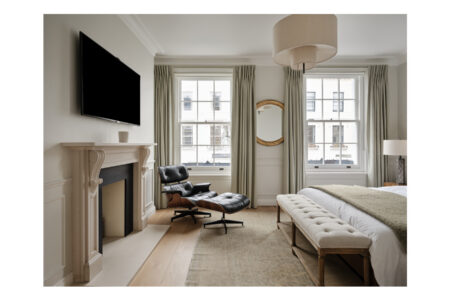
A beautifully designed home should enhance daily life—not complicate it. Yet for many households, especially those balancing demanding work schedules, family life, and social commitments, there’s a persistent tension between aesthetics and practicality. The good news is that thoughtful design can deliver both.
A stylish home that works for a busy lifestyle is not about compromise. It’s about intention: designing spaces that are calm, intuitive, and resilient—where beauty is built into the architecture, not layered on top of daily chaos. Below, we explore how to achieve a home that feels refined and considered while remaining deeply functional.
The most successful homes begin with an honest assessment of daily routines. How do you move through the space each morning? Where does clutter naturally accumulate? Which rooms need to multitask?
Rather than forcing life to adapt to a finished interior, good residential design allows spaces to evolve around real patterns of use. Entryways that accommodate bags and coats without visual clutter, kitchens that support both weekday efficiency and weekend entertaining, and living spaces that transition easily from work to rest are all hallmarks of homes designed for modern living.
Style, in this context, is not decorative—it’s strategic.
For busy households, clutter is the enemy of calm. The key is not more storage, but better storage—integrated seamlessly into the architecture of the home.
Bespoke joinery, full-height cabinetry, concealed cupboards, and multifunctional furniture allow everyday items to disappear when not in use. When storage is planned from the outset, it doesn’t feel utilitarian; it becomes part of the visual language of the space.
A calm interior is often the result of what you don’t see. Clean lines, uninterrupted surfaces, and well-considered storage support both order and elegance.
A stylish home for a busy lifestyle must be robust. This doesn’t mean sacrificing beauty—quite the opposite. Natural materials often perform best over time, developing character rather than showing wear.
Timber floors, stone surfaces, high-quality engineered materials, and matte finishes are forgiving, tactile, and timeless. They handle daily use while maintaining visual integrity. Avoid overly delicate finishes that demand constant maintenance or perfection to look good.
Durability is an essential component of luxury. A home that ages well feels confident, relaxed, and effortlessly refined.
Visual simplicity makes life easier. A cohesive, restrained colour palette reduces sensory overload and allows spaces to feel calm—even when life is busy.
Layered neutrals, soft tonal shifts, and natural hues create continuity throughout the home. This doesn’t mean the absence of personality; instead, colour and texture are introduced selectively through art, textiles, and furniture.
A controlled palette also makes spaces more flexible. As needs change, rooms can adapt without requiring constant redecoration.
Spatial planning is one of the most powerful tools in balancing style and function. Well-considered layouts minimise friction and maximise flow.
Open-plan spaces benefit from subtle zoning—changes in ceiling height, lighting, or material—to define areas without walls. Private spaces should feel protected and restful. Circulation routes should be intuitive, not disruptive.
When layouts are clear, homes feel calmer. Movement becomes effortless, and rooms support multiple uses without visual or physical clutter.
Lighting has a profound impact on how a home feels and functions. For busy lifestyles, flexibility is key.
Layered lighting—combining architectural, ambient, and task lighting—allows spaces to adapt throughout the day. Bright, functional light supports morning routines and work-from-home needs, while warmer, softer lighting creates atmosphere in the evening.
Thoughtfully placed lighting also reduces reliance on decorative excess. When the architecture is well-lit, the space itself becomes the focal point.
Furniture in a busy home must work hard. Pieces should be comfortable, well-proportioned, and durable—without overwhelming the space.
Opt for fewer, better-quality items rather than filling rooms with excess. Modular seating, extendable tables, and adaptable pieces support changing needs while maintaining a cohesive aesthetic.
Upholstery in robust fabrics, generous cushions, and simple silhouettes ensures comfort without visual heaviness. The result is a home that feels welcoming rather than precious.
Busy lifestyles change over time. Homes should be able to respond accordingly.
Spaces that can shift function—guest rooms doubling as studies, dining areas accommodating homework, living rooms supporting quiet evenings and social gatherings—are invaluable. Flexibility doesn’t require gimmicks; it’s achieved through thoughtful proportions, integrated storage, and adaptable furniture.
A well-designed home anticipates change. This foresight is what allows it to remain stylish long after trends have passed.
In homes designed for real life, styling should enhance rather than dominate. Avoid over-accessorising. Instead, focus on a few meaningful pieces—art, ceramics, books—that bring warmth and personality.
When architecture, materials, and layout are doing the heavy lifting, styling can remain understated. This not only looks more refined, but also makes daily maintenance easier.
An elegant home doesn’t demand constant attention. It supports life quietly, in the background.
A stylish home that works for a busy lifestyle is not defined by perfection, but by clarity. When design decisions are grounded in how you live—rather than how a space photographs—homes become calmer, more resilient, and more enjoyable.
True luxury lies in ease: spaces that feel intuitive, materials that endure, and interiors that support daily life without asking for constant upkeep. With thoughtful planning and architectural intent, it’s entirely possible to create a home that is both beautifully designed and effortlessly livable.
FAQs
5. How do I make my home feel stylish without constant restyling?
Choose a cohesive base (palette + core materials), invest in fewer, better pieces, and keep styling intentional: one strong artwork, a few tactile textiles, and objects with meaning.

Living in a small apartment has plenty of benefits, lower running costs, easier maintenance, and often a great location. But when space is limited, everyday life can start to feel cramped. Storage becomes a constant struggle, layouts feel awkward, and even stylish interiors can look cluttered if the space isn’t planned properly.
The good news is that you don’t need a bigger apartment to live better. With smart design decisions, you can maximise every inch of space and make your home feel more open, functional, and beautifully organised. From layout tricks and storage solutions to furniture choices and visual design strategies, here’s how to make the most of a small apartment without sacrificing style.
Before buying storage units or rearranging furniture, start by thinking about your daily routine. The best small-space design isn’t about squeezing things in, it’s about making the apartment work for your lifestyle.
Ask yourself:
This clarity helps you prioritise function first, then style.
Small apartments often feel chaotic because everything happens in one room. Zoning creates structure, even in a studio flat, and makes the space feel larger and more intentional.
Simple zoning methods include:
When zones are clear, the apartment feels organised rather than cramped.
In a small apartment, every piece of furniture should earn its place. Multi-functional furniture helps you reduce clutter and avoid overcrowding.
Smart furniture choices include:
The key is choosing pieces that look stylish while adding function—so the space feels designed, not purely practical.
When floor space is limited, vertical storage becomes essential. Using wall height properly can free up the room and make everything feel less cluttered.
Vertical storage ideas include:
Even adding one tall storage unit can dramatically improve organisation without taking up much footprint.
Built-in joinery is ideal in small homes, but not everyone can install it; especially renters. The trick is choosing freestanding storage that looks like it belongs.
To create a built-in feel, try:
A calm visual environment makes a small apartment feel instantly bigger.
Mirrors don’t create more square footage, but they do create the feeling of more space. They reflect light, add depth, and brighten darker corners.
Best mirror placements include:
Mirrors are one of the simplest and most affordable upgrades for small apartments.
A common small-space mistake is going too dark everywhere. While dark colours can be beautiful, they can make small rooms feel heavy if not balanced correctly.
A space-enhancing palette usually includes:
To keep it stylish (not bland), add contrast through:
Texture adds richness without visually shrinking the room.
Small apartments can’t handle excess stuff. Even the best design will struggle if clutter builds up. A simple system helps keep your space under control.
Try these decluttering habits:
Less clutter means the apartment feels more spacious and easier to maintain.
Small apartments often have “wasted” areas that aren’t being used properly. These spaces can become highly functional with small adjustments.
Look for opportunities like:
The goal is to use every awkward inch without overcrowding the room.
Lighting changes how spacious a room feels. One ceiling light isn’t enough—especially in smaller apartments where shadows can make the space feel tighter.
Layered lighting works best:
A well-lit apartment always feels more open and inviting.
Maximising every inch of space in a small apartment is all about smart planning. When you combine zoning, multi-functional furniture, vertical storage, good lighting, and a calm visual palette, even the smallest home can feel organised, open, and genuinely stylish.
If you want a more refined approach to space planning and interiors—whether for compact city living or thoughtful home design—Found Associates brings architectural expertise and design-led solutions that elevate how spaces look and function. Explore their work at Found Associates.
Use light colours, mirrors, better lighting, and clear zoning. Decluttering and choosing furniture with visible floor space also helps.
Multi-functional furniture like storage beds, nesting tables, extendable dining tables, and sofa beds works best in compact spaces.
Use vertical storage, closed cabinets, matching containers, and hidden storage solutions to keep the apartment organised and visually calm.
Yes. Rugs help define zones and make the space feel intentional. Choose the right size so the room doesn’t feel chopped up.
Overcrowding the space with oversized furniture and too many small décor items. A clear layout and fewer, better pieces work best.
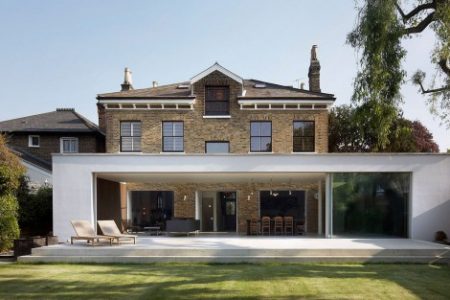
Trends come and go, but a timeless home always feels relevant. It’s the kind of space that still looks beautiful years later without needing constant updates to stay current. Timeless design isn’t about being boring or playing it safe. Instead, it’s about creating a home that feels balanced, refined, and deeply livable, with details that age well and layouts that support real life.
Whether you’re renovating a period property, designing a modern extension, or refreshing interiors, aiming for long-term appeal is one of the smartest choices you can make. A timeless home not only looks better over time, but it often holds its value more strongly and feels more comfortable to live in.
So what makes a home design truly timeless? Below are five key elements that consistently create lasting appeal regardless of changing styles.
The foundation of timeless design isn’t a colour palette or a furniture style—it’s the layout. A home can have expensive finishes, but if the space planning is awkward, it will never feel truly right. Timeless homes work because they flow naturally and feel effortless to live in.
Key layout qualities that feel timeless include:
A timeless layout also supports changing lifestyles. Families grow, working patterns shift, and needs evolve—so a home that can adapt will always feel relevant.
Natural light is one of the most timeless “features” any home can have. It makes spaces feel larger, healthier, and more inviting. A bright home also supports a calm atmosphere, which is something people always value—no matter the era or trend.
Ways timeless homes maximise natural light include:
Timeless design often feels peaceful because it avoids visual chaos. Natural light helps soften the space and makes everything—from materials to furniture—feel more elevated.
One of the biggest differences between trendy design and timeless design is how the materials perform over time. Timeless homes use finishes that don’t just look good on day one; they develop character and still feel sophisticated years later.
Materials that typically age well include:
Timeless design avoids materials that feel overly artificial or overly “of the moment”. Instead, it prioritises texture, depth, and authenticity.
It’s also worth noting: timeless doesn’t mean expensive everywhere. It means choosing quality where it matters most, such as:
These are the elements you touch daily, and they shape the long-term experience of the home.
Timeless interiors often start with a neutral foundation. That doesn’t mean plain or colourless, it means the base is calm enough to evolve as your taste changes. Then personality is added through layers that can be updated without major renovation.
A timeless base might include:
Then, to add personality without dating the home, use flexible layers like:
This approach gives you the best of both worlds: a home that feels current and expressive now but won’t look outdated later.
Timeless design is often defined by what people don’t notice at first glance. The details are subtle, but they create a feeling of quality and refinement. When craftsmanship is good, a home feels intentional and elevated—even without dramatic design gestures.
Timeless details often include:
In period homes, timeless detailing may mean restoring and respecting original character while adding modern comfort. In contemporary homes, it may mean keeping lines simple and focusing on texture and balance.
Either way, craftsmanship always outlasts trends.
It’s just as helpful to know what to avoid. Many homes feel dated quickly because they lean too heavily into short-lived design trends.
Common design choices that can date a home include:
A timeless home isn’t designed for a photo—it’s designed for real living.
Timeless doesn’t mean traditional, and it doesn’t mean avoiding creativity. The best timeless homes often include modern elements; they’re just introduced thoughtfully.
A balanced approach might include:
This balance creates a home that feels relevant today but still holds long-term appeal.
Timeless homes are not only more enjoyable to live in—they often make better investments. Buyers and renters are drawn to homes that feel well-planned, bright, and high-quality.
Long-term value benefits include:
Timeless design is a smart decision, emotionally and financially.
A timeless home design isn’t about chasing trends or choosing the safest option. It’s about creating a space with strong proportions, beautiful natural light, quality materials, a calm foundation, and detailing that feels refined. When these five elements come together, your home will feel just as appealing years from now as it does today.
If you’re planning a renovation, extension, or interior redesign and want a home that feels elegant, liveable, and enduring, Found Associates brings a design-led approach that balances architecture, interiors, and craftsmanship. Explore their work and philosophy at Found Associates.
‘Timeless home design’ refers to interiors and architecture that remain attractive and functional over many years, without feeling outdated or overly trend-driven.
Yes. Modern homes can feel timeless when they focus on strong layouts, natural light, quality materials, and thoughtful detailing rather than fast-moving trends.
Warm neutrals, soft whites, stone tones, muted greys, and natural earthy colours are typically timeless because they’re calm and easy to layer with accents.
Natural timber, stone, quality metals, and well-made tiles often age beautifully and develop character over time.
Prioritise layout and light first, choose durable materials, keep the base neutral, and add personality through changeable décor rather than permanent finishes.
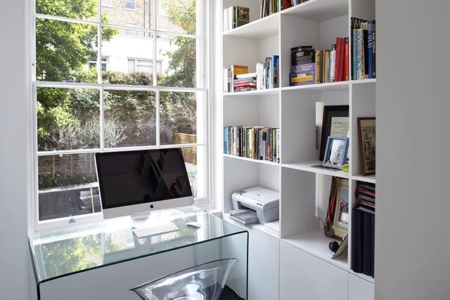
Working from home in a rental apartment can be both convenient and challenging. While you may love the flexibility of remote work, many rental spaces aren’t designed with home offices in mind. You might be dealing with limited square footage, awkward layouts, strict tenancy rules, or a lack of storage. The good news is that you don’t need to renovate or risk your deposit to create a workspace that feels productive, comfortable, and genuinely stylish.
A well-designed home office isn’t just about squeezing in a desk. It’s about lighting, layout, ergonomics, and creating a space that supports focus while still blending beautifully into your home. Whether you’re working from a studio flat, a spare bedroom, or a quiet corner of the living room, here’s how to build a rental-friendly home office that works hard and looks great.
The most important decision is where your home office will be. In rental apartments, space is limited, so you need to pick a location that fits your routine and doesn’t disrupt daily life.
Good home office locations include:
Try to avoid setting up in places that will create constant distractions, such as directly beside the TV or in the middle of a walkway.
It’s tempting to buy a desk first and “make it work,” but rental layouts can be tight and unforgiving. Measuring prevents wasted money and awkward furniture choices.
Before purchasing, check:
A few minutes with a tape measure can save you a lot of frustration later.
Your desk is the foundation of the home office, and the right choice depends on how you work day to day. Some people need multiple screens and storage, while others only need a laptop and a notebook.
Desk styles that work well in rentals include:
If your home office is in a shared space like a living room, choose a desk that looks intentional and complements your interior style.
A stylish home office should still be comfortable. Poor ergonomics can cause neck pain, back strain, and fatigue—especially if you work from home most days.
Key ergonomic essentials include:
If you don’t want a bulky office chair, look for dining-style chairs with supportive cushioning, or add a seat pad for comfort.
Rental apartments often have harsh overhead lights or limited lighting options. The right lighting setup can instantly make your workspace feel more professional and less tiring.
A good lighting mix includes:
Position your desk so natural light comes from the side rather than directly behind or in front of your screen—this reduces glare and improves comfort.
A home office in a rental can easily look messy, especially if you’re working in a shared room. Storage is what makes the difference between “temporary” and “designed.”
Renter-friendly storage ideas include:
If your workspace is visible from your living area, aim for storage that looks intentional rather than purely functional.
If you don’t have a dedicated room, zoning helps your home office feel separate—mentally and visually—from the rest of your home.
Simple zoning techniques include:
Even a small zone can help you switch into “work mode” more easily.
The difference between a basic desk setup and a stylish home office is in the finishing touches. These details help the workspace feel inspiring rather than purely practical.
Add personality with:
Aim for a balance—too many accessories can feel cluttered, but a few thoughtful pieces can elevate the entire space.
Many renters avoid wall décor because they don’t want to damage paint or lose their deposit. Luckily, you can still reversibly style your office walls.
Try these options:
A styled wall behind your desk also improves your video call background instantly.
Cables are one of the quickest ways to make a home office feel messy. Cable management is a small upgrade that creates a big visual impact.
Cable-tidy essentials include:
A clean desk setup makes the whole space feel calmer and more premium.
Even the most beautiful home office won’t work if it doesn’t support your habits. Your setup should make it easy to start work, stay focused, and switch off at the end of the day.
Small routine-friendly additions include:
The goal is to keep work contained—especially in smaller rental apartments.
Creating a functional and stylish home office in a rental apartment is completely possible—with the right layout, lighting, storage, and renter-friendly design choices. You don’t need permanent renovations to make your workspace feel professional, comfortable, and aligned with your personal style. With a few thoughtful upgrades, you can build a home office that supports productivity during the day and blends seamlessly into your home after hours.
If you’re looking for elevated interior inspiration and smart space planning ideas, Found Associates brings a refined design approach that balances functionality with beautiful detailing. Explore their work and design expertise at Found Associates.
A compact desk near a window, paired with vertical storage and good lighting, works best. Focus on zoning and cable management to keep it tidy.
Some rentals allow drilling with permission, but you can also use freestanding shelves or removable fixing solutions to avoid wall damage.
Use lighting, a rug, a desk mat, a plant, and a few coordinated accessories. Small details create a big visual upgrade.
A combination of natural light, a desk lamp, and warm ambient lighting reduces eye strain and makes the workspace feel comfortable.
Use cable clips, Velcro ties, and a cable box to organise extension leads. Under-desk trays or clamp-on organisers also work well.
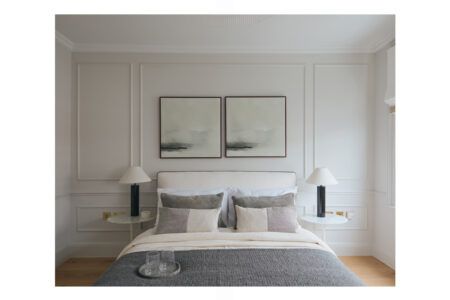
Living in a rental apartment has plenty of advantages—flexibility, fewer long-term commitments, and often access to great locations. But one common challenge remains the same for many renters: how do you make a rental feel like your home when you can’t renovate freely?
The good news is that you don’t need major construction work to create a space that feels personal, warm, and well-designed. With a few smart updates (that won’t upset your landlord), you can transform even the most neutral rental into a home that reflects your style and supports your everyday life.
This guide covers renter-friendly design upgrades that are easy to implement, easy to reverse, and still make a big impact.
Before you buy paint or start drilling holes, take a few minutes to review your tenancy agreement. Most rental contracts have clear guidelines about what you can and can’t change.
Common restrictions include:
If you’re unsure, ask your landlord or managing agent. Sometimes you can make changes if you agree to restore everything before moving out.
One of the fastest ways to make a rental feel more “yours” is to rethink the layout. Many apartments feel awkward simply because the furniture isn’t working with the space.
Try improvements like:
Even without buying anything new, rearranging furniture can make the space feel calmer and more functional.
Rental lighting is often harsh, cold, or limited to a single ceiling fixture. Luckily, you can upgrade the atmosphere with plug-in lighting that requires zero rewiring.
Easy lighting upgrades include:
Lighting is one of the most powerful tools in interior design—especially in rentals where permanent changes are limited.
If your apartment feels bland, it’s often because everything is flat and neutral. Soft furnishings instantly add warmth, depth, and personality.
Focus on:
These elements are portable, renter-friendly, and can completely change the mood of a space.
You don’t need to paint walls to create a statement. Removable wall finishes can bring in colour, pattern, or even a “high-end” look without permanent commitment.
Consider using:
Always test a small patch first to ensure it won’t damage paint when removed.
Rental apartments often lack storage, and clutter can make a home feel temporary. The goal is to create storage that looks intentional—like it belongs.
Renter-friendly storage ideas include:
A tidy, organised home always feels more personal and “finished.”
Art and photography make a home feel lived-in—but renters often worry about damaging walls. The solution is using removable hanging methods or leaning frames.
Try these approaches:
A few well-placed pieces can make the apartment feel uniquely yours.
Rental kitchens can feel dated, but you can still improve them without replacing cabinets or appliances. Small details go a long way in making the space feel more premium.
Easy kitchen refresh ideas:
These updates can make cooking feel more enjoyable without breaking any rules.
Bathrooms are one of the hardest spaces to change in a rental—but even here, you can make it feel cleaner, calmer, and more “you.”
Bathroom upgrades that are landlord-safe:
It’s all about styling and consistency—without touching the plumbing or tiles.
Plants instantly make a space feel more welcoming and lived-in. They also soften sharp corners and add colour naturally.
Great renter-friendly greenery options include:
Even one or two plants can shift the entire mood of a room.
Home isn’t only visual—it’s emotional. Adding comfort cues makes a rental feel familiar and personal.
Small but powerful “home” upgrades include:
These touches create routine and comfort—helping the apartment feel like a true home.
The best rental upgrades are the ones that look intentional, not temporary. Focus on changes that are:
When done well, your apartment won’t just feel “decorated”—it will feel designed.
A rental apartment doesn’t have to feel generic or temporary. With the right layout, lighting, textures, and renter-friendly upgrades, you can create a space that feels warm, personal, and truly yours—without breaking tenancy rules or risking your deposit.
If you’re looking for design inspiration, space planning ideas, or a more elevated approach to interiors, Found Associates brings thoughtful architecture and interior design expertise that helps spaces feel both functional and beautifully considered. Explore their work at Found Associates.
Sometimes, but only with landlord permission. Many tenancy agreements restrict painting unless you agree to repaint before moving out.
Use removable strips, hooks, or lean artwork on shelves and furniture. Always test products on a small area first.
Lighting, rugs, curtains, removable wallpaper, improved storage, and decorative accessories are all high-impact and reversible.
Use lighter colours, mirrors, better lighting, and smart furniture layouts. Keep clutter minimal and define zones with rugs.
Most removable wallpaper is designed to be safe, but results depend on wall condition and paint quality—always patch test first.

Natural light can completely transform how a home looks and feels. Bright, well-lit spaces often appear larger, calmer, and more welcoming—while also improving comfort, mood, and even energy efficiency. Whether you’re renovating a period property, redesigning a modern layout, or planning an extension, designing for daylight should be a key priority from the start.
Maximising natural light isn’t just about adding bigger windows. It’s about understanding how light moves through your home, how rooms connect, and how materials, layouts, and architectural details work together to create a brighter interior. Below are practical and design-led ways to bring more daylight into your home—without compromising privacy, warmth, or style.
One of the most effective ways to increase natural light is to rethink the layout of your home. Even without changing the size of your windows, better planning can allow light to travel further.
Consider layout improvements such as:
If you’re renovating, your architect can assess which areas have the strongest daylight potential and reorganise the plan around it.
If you’re extending or upgrading your home, enlarging openings can dramatically improve daylight levels. The key is placing glazing where it supports your lifestyle—not just where it looks good.
Options to consider include:
Bigger isn’t always better everywhere—strategic placement often creates the best results with less heat loss or glare.
Overhead daylight is often the most powerful way to brighten a home—especially in terraced properties or homes with limited side windows. Roof glazing brings light into the centre of the floor plan where wall windows can’t reach.
Rooflight ideas include:
Rooflights can make even compact spaces feel open, airy, and modern.
Basements and lower ground floors are common in UK renovations, especially in London homes. These spaces can be beautiful—but they need a smart daylight strategy to avoid feeling gloomy.
Light-enhancing basement solutions include:
A well-designed light well can turn a basement into a comfortable, high-value living area.
Internal glazing is one of the best design techniques for improving light flow while still keeping rooms functional and defined.
Popular options include:
This approach works especially well in period homes where you want separate rooms but don’t want to lose brightness.
The way your home is finished has a major impact on how bright it feels. Even a well-lit room can appear dull if surfaces absorb light.
To increase light reflection, consider:
You don’t need to make everything white—just use lighter tones strategically where daylight is limited.
Mirrors are a classic design trick, but they work best when placed intentionally. A mirror facing the right direction can double the sense of brightness in a space.
Effective mirror placements include:
Reflective finishes like polished metal, glass, and glossy tiles can also amplify light without needing extra glazing.
Natural light is not just about brightness—it’s also about the feeling of openness. Improving sightlines helps light travel and makes the home feel more spacious.
Design moves that help include:
A brighter home often comes from fewer obstructions rather than more windows.
Many homes lose natural light simply because window treatments are too heavy. Curtains and blinds should support privacy and comfort without blocking daylight.
Better window dressing choices include:
For south-facing rooms, shading can also prevent overheating while still allowing light in.
Maximising daylight doesn’t mean turning your home into a glass box. A good design balances brightness with comfort, insulation, and privacy.
Key considerations include:
The best daylight designs feel calm and controlled, not exposed or overly harsh.
Many homeowners assume their property is naturally dark, but smart architectural design can reveal opportunities they didn’t realise were possible. This is especially true for:
An experienced architect can use planning, modelling, and spatial design to transform the way light enters and moves through your home.
Natural light is one of the most valuable features in any home. It improves how spaces look, feel, and function—creating interiors that feel more open, uplifting, and timeless. Whether you’re reworking your layout, adding glazing, or refining finishes, designing for daylight should always be part of the bigger picture.
If you’re planning a renovation or extension and want to maximise natural light in a way that feels elegant and liveable, Found Associates can help you shape a home that’s bright, balanced, and beautifully designed. Explore their architecture and interiors work at Found Associates.
The best methods include improving the layout, adding rooflights, using larger glazing openings, and introducing internal glass partitions to share light between rooms.
Rooflights often bring in stronger, more direct daylight—especially in extensions or deep floor plans—making them a highly effective option.
Use light paint colours, mirrors, glazed internal doors, and borrowed light panels to bring brightness into the hallway.
Yes. Lighter colours reflect more light and can make rooms feel brighter and more spacious, especially in areas with limited windows.
Use frosted or reeded glass, high-level windows, rooflights, and carefully placed internal glazing to increase daylight while maintaining privacy.
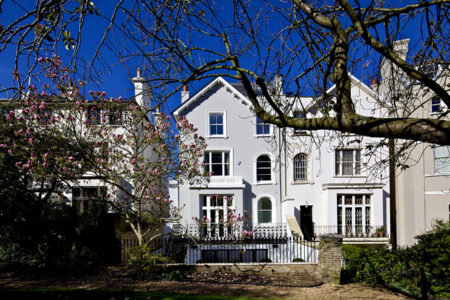
Planning a home renovation is exciting—but it can also feel overwhelming. From reworking layouts and improving natural light to navigating planning permission and managing budgets, there’s a lot to consider. One of the most important decisions you’ll make is choosing the right architect.
The right architect won’t just create beautiful drawings—they’ll help you unlock the full potential of your home, avoid costly mistakes, and guide you through every stage of the renovation journey. Below is a practical guide to help you choose an architect who fits your project, your style, and your expectations.
Before contacting architects, get clear on what you want to achieve. The more specific you are, the easier it will be to find a professional who understands your vision.
Think about:
Even a simple written brief will help you communicate clearly and compare proposals later.
Not all architects specialise in home renovations. Some focus on new builds, while others excel in heritage upgrades, complex structural changes, or high-end interiors.
When reviewing their experience, look for:
A renovation architect should understand how to work with existing structures, uncover hidden issues, and redesign around real-world constraints.
A portfolio should do more than look impressive—it should demonstrate design thinking, functionality, and consistency.
As you browse projects, ask yourself:
Helpful signs include:
Your architect doesn’t need to share your exact taste, but they should understand it—and be able to elevate it.
To test compatibility:
A great architect will guide you with ideas you hadn’t considered, while still staying aligned with your lifestyle and priorities.
Architectural services vary widely. Some architects provide full end-to-end support, while others stop after concept design or planning drawings.
Common service stages include:
Before hiring, confirm:
A consultation is not just about the architect impressing you—it’s also your chance to assess their process and professionalism.
Ask questions such as:
You’ll learn a lot from how clearly and confidently they explain the process.
Many renovation problems happen when the design ambition doesn’t match the budget reality. A good architect will help you spend wisely and make trade-offs early.
To keep things realistic:
A professional architect should never promise unrealistic outcomes—they should help you design within your means without sacrificing quality.
You’ll be working closely with your architect for months, sometimes longer. Communication style matters as much as design skill.
Look for:
If you feel rushed, dismissed, or confused early on, those issues can grow later during planning or construction.
Architect fees vary depending on experience, project scope, and service level. Choosing the cheapest option can cost more later if drawings are incomplete or site support is lacking.
When comparing quotes, check:
A higher fee may reflect better project management, stronger technical detailing, and fewer construction issues.
Testimonials and recommendations help validate the experience beyond the portfolio.
You can ask for:
When speaking to past clients, ask:
Home renovations often involve permissions, especially in conservation areas or when altering the structure and external appearance.
Your architect should be comfortable with:
Even if you don’t need planning permission, you’ll likely need building regulations approval—so technical expertise is essential.
Choosing the right architect for your home renovation is about more than style. It’s about finding a professional who understands your goals, communicates clearly, and can guide you from early concepts through to a finished home that feels thoughtful, functional, and beautifully resolved.
If you’re looking for a design-led, highly collaborative approach to residential renovation, Found Associates brings extensive experience in architecture and interiors, helping homeowners transform spaces with creativity, detail, and confidence. Explore their work and approach at Found Associates.
Not always, but an architect is highly recommended for structural changes, extensions, layout redesigns, and renovations requiring planning permission or building regulations.
Ideally, as early as possible—before committing to layouts, builders, or major decisions—so feasibility and costs can be assessed from the start.
Fees vary depending on scope and service level. Architects may charge a fixed fee, staged fee, hourly rate, or percentage of construction cost.
Ask about their renovation experience, process, timelines, fee structure, budget management approach, and whether they support you during construction.
Architects focus on structure, planning, layouts, and technical compliance. Interior designers focus on finishes, furnishings, and styling—though some practices offer both.

Starting a home renovation project in the UK can be one of the most exciting decisions you make—whether you’re updating a tired layout, adding more space for a growing family, or improving the long-term value of your property. But while the result can be transformative, renovations also come with challenges: unexpected costs, planning restrictions, delays, and design decisions that can quickly become overwhelming without the right preparation.
Before you start knocking down walls or contacting builders, it’s important to understand what a renovation involves from a UK-specific perspective. From planning permission and building regulations to budgeting and choosing the right professionals, here’s what you need to know before starting your home renovation project.
A successful renovation begins with clarity. If you’re not sure what you want, you may end up spending money on changes that don’t actually improve how you live in your home.
Start by listing what matters most to you:
It’s also helpful to separate needs from wants:
This step helps you make smart trade-offs if the budget becomes tight later.
One of the most common UK renovation mistakes is assuming you can build without permissions. In reality, the rules depend on your property type, location, and the extent of work.
You may need planning permission if you are:
Even if you don’t need planning permission, you may still need:
If you’re unsure, speak to an architect early—this can save months of redesign and resubmission.
In the UK, planning permission and building regulations are not the same thing. Many homeowners misunderstand this, which can cause compliance issues later.
Planning permission relates to:
Building regulations relate to:
Even internal works (like removing walls) can require building regulations approval. Make sure your renovation is designed and documented properly from the start.
Renovations often cost more than expected—especially in older UK homes where hidden issues are common. A realistic budget includes more than just “builder costs.”
Your renovation budget should account for:
A sensible contingency is usually:
This buffer helps you deal with surprises without cutting corners or delaying progress.
A strong renovation team is the difference between a smooth project and a stressful one. In the UK, you may work with a mix of professionals depending on your scope.
Common renovation professionals include:
Key tips when hiring:
It’s best to appoint your architect before choosing a builder, especially if you need planning drawings or detailed design development.
Home renovations rarely move as quickly as homeowners hope—especially when permissions, lead times, and contractor schedules come into play.
A typical renovation timeline may include:
Other timeline factors to consider:
The earlier you plan, the less likely you’ll be forced into rushed decisions.
Many UK homes—especially Victorian, Edwardian, and post-war properties—come with hidden issues that only appear once work begins.
Common renovation surprises include:
To reduce risk, consider surveys such as:
Good design and planning can’t remove every surprise, but they can reduce disruption and protect your budget.
Renovating is the perfect time to improve comfort and performance. Many energy upgrades are far easier (and cheaper) during renovation than after.
Consider improvements like:
Even if you’re renovating for lifestyle reasons, these upgrades can add long-term value and reduce running costs.
A renovation is a major investment, so it’s important to formalise expectations and responsibilities. Misunderstandings are one of the biggest causes of disputes.
Before construction starts, make sure you have:
If your architect provides contract administration, they can help manage quality, payments, and communication between you and the builder.
A home renovation project in the UK can dramatically improve how you live—adding space, comfort, character, and value. But success depends on preparation: understanding permissions, setting a realistic budget, choosing the right professionals, and planning a timeline that reflects real-world conditions.
If you’re considering a renovation and want a thoughtful, design-led approach that balances creativity with technical expertise, Found Associates can help guide you from concept to completion. Learn more about their architecture and interior work at Found Associates.
Not always. Some works fall under permitted development, but extensions, flats, listed buildings, and conservation areas often require planning permission.
Planning permission covers the size and impact of your renovation, while building regulations ensure the work is safe, compliant, and energy efficient.
A typical contingency is 10–15% for simpler projects and 15–25% for older homes or renovations involving structural changes.
Timelines vary, but many projects take several months when you include design, permissions, technical drawings, and construction.
Yes—especially if you need planning drawings, technical design, or help managing the renovation from start to finish.

A decade ago, “the design” was often communicated through drawings, a few key details, and (if you were lucky) a set of visuals that helped clients imagine the finished space. Today, 3D modelling has shifted from being a presentation tool to becoming the design process itself—a working environment where spatial ideas, technical decisions, costs, coordination, and performance can be tested in parallel.
In architecture and interior design, that change is profound. A good 3D model is not just a representation of intent; it’s a decision-making framework. It allows teams to move faster, communicate more clearly, and reduce risk—while giving clients a better understanding of what they’re investing in, long before anything is built.
Below is an architect’s view of how 3D modelling is reshaping design—from early concept through construction and beyond.
Modern projects are more complex. Homes integrate smarter systems, higher-performance envelopes, bespoke joinery, specialist lighting, and increasingly precise detailing. At the same time, expectations have risen: clients want certainty, programmes are tighter, and cost pressure rarely disappears.
3D modelling meets this moment because it compresses the feedback loop. Instead of waiting for “the next drawing issue” to discover a problem, teams can see conflicts and opportunities earlier—when changes are cheaper and easier.
Not all 3D models do the same job.
When a project uses BIM well, everyone works from aligned information rather than disconnected files. That’s why information management standards like ISO 19650 place emphasis on structured collaboration and shared data environments across an asset lifecycle.
In practice, that translates into fewer “version truths,” fewer surprises, and clearer decision-making.
One of the most immediate benefits of 3D modelling is speed with control. Architects can explore options—massing, layout, daylight openings, stair positions, joinery lines—while keeping geometry consistent.
This is especially powerful when paired with parametric approaches, where key relationships (like spacing, angles, radii, or heights) can be adjusted systematically rather than rebuilt from scratch. Parametric workflows are widely associated with faster exploration of variations and more controlled design development.
The result isn’t “more options for the sake of it.” It’s a more confident refinement process—one where design decisions are tested quickly and resolved earlier.
If 3D modelling has a single superpower in technical delivery, it’s coordination. When architectural, structural, and MEP (mechanical, electrical, plumbing) information is brought together, teams can identify clashes before they become site problems.
Clash detection is repeatedly positioned as a practical advantage of BIM workflows because conflicts can be resolved digitally—reducing rework, delays, and cost impacts later.
This is not abstract. A recent open-access study reviewing BIM impacts across case studies reported average reductions in project timelines and costs, alongside fewer design errors and RFIs (requests for information), when BIM is properly adopted.
For clients, that typically means more predictability: fewer late-stage changes and a smoother path from design intent to built reality.
Even sophisticated clients can struggle to read 2D drawings. 3D models close that gap by making space legible: proportions, sightlines, circulation, and junctions become easier to understand.
This transforms meetings. Instead of talking around a plan, teams can talk through the space:
It also reduces ambiguity—helping clients make decisions earlier, with more confidence, and with fewer “I didn’t realise it would feel like that” moments later.
As 3D modelling matures, it increasingly connects to immersive tools. AR (augmented reality) and mixed reality workflows allow teams and clients to experience scale and spatial relationships in a more intuitive way than screens alone.
Architecture media has highlighted how these tools can bridge the gap between drawings and lived experience—supporting design review, communication, and feedback.
For residential projects, immersive review can be especially helpful for:
The goal is not spectacle. It’s clarity.
3D modelling also changes how drawings are produced. When documentation is extracted from a coordinated model, teams can maintain consistency between plans, elevations, sections, and schedules—reducing human error and repetitive drafting.
This aligns neatly with structured project frameworks like the RIBA Plan of Work, where information maturity increases stage by stage.
It also supports more modern construction approaches: prefabrication, design-for-manufacture, and bespoke elements that rely on dimensional accuracy. In those contexts, the model isn’t a “nice-to-have”—it becomes the backbone of buildability.
As modelling tools integrate analysis, architects can test performance considerations earlier:
Even when specialist consultants are involved (as they should be for many analyses), 3D workflows make collaboration smoother because geometry and assumptions can be shared, reviewed, and refined with fewer translation errors.
The most forward-looking evolution is the move from static project models to living “digital twins.” A digital twin is commonly described as a virtual replica that can be linked with data—supporting monitoring, simulation, and optimisation over time.
In residential settings, this can support more intelligent operation—especially as homes become more systems-driven. The important point is conceptual: the model’s value doesn’t have to end at completion. It can continue to support maintenance, upgrades, and long-term stewardship.
When used well, 3D modelling doesn’t replace architectural judgement—it amplifies it. It helps teams design with more precision, coordinate with fewer surprises, and communicate with greater clarity. It also supports the kind of calm, considered outcomes clients value most: spaces that feel resolved, buildable, and quietly intelligent.
At Found Associates, 3D modelling is treated as part of a holistic design process—supporting spatial quality, technical rigour, and a more confident journey from concept to completion.

Passive design is the art of making a building do more work—before you ask mechanical systems to step in. Rather than relying on air conditioning, heavy heating, or constant artificial lighting, passive architecture uses orientation, form, fabric, shading, ventilation, and daylight to create comfort naturally.
In high-end residential design, this approach isn’t just about sustainability. It’s about creating homes that feel calmer and more consistent to live in—spaces where temperatures are steadier, daylight is softer and more usable, and comfort doesn’t depend on constant intervention. And in the UK, where overheating risk is increasingly taken seriously in new homes, passive strategies are also becoming a compliance and resilience conversation, not merely a lifestyle choice.
Passive design doesn’t mean “doing nothing”. It means making early architectural decisions that reduce energy demand and improve comfort:
This is why passive thinking starts with the plan, not the finish.
The simplest passive move is also one of the most powerful: how the home sits on its site.
A building’s orientation affects:
In the UK, summer overheating has become a formal design consideration for new residential buildings through Approved Document O (Overheating). This guidance focuses heavily on limiting unwanted solar gains and providing adequate means of removing excess heat.
Architecturally, this often translates into:
Passive comfort depends on keeping heat where you want it—and preventing it from escaping (or entering) through weak points.
A strong “fabric-first” approach is central to modern UK standards for energy performance, including Approved Document L (Conservation of fuel and power).
Key fabric principles include:
This is the invisible luxury of passive design: the home feels stable and quiet, and comfort becomes easier to maintain.
The goal isn’t to block light—it’s to block problem heat gain and glare while still allowing usable daylight.
Effective shading is typically:
Common architectural solutions:
Approved Document O sets out practical approaches to limiting overheating risk, including managing solar gains and providing ventilation routes.
Thermal mass is the building’s ability to absorb, store, and release heat slowly—helping interiors feel steadier.
Materials like concrete, brick, and stone can:
Thermal mass works best when it’s part of a broader strategy, including shading and controlled ventilation. Without those, mass can simply store unwanted heat.
Ventilation is crucial for health and comfort. In UK homes, ventilation requirements are addressed in Approved Document F, which sets guidance for maintaining indoor air quality.
From a passive perspective, architects think about airflow as part of spatial planning:
Where noise, pollution, or security limits open-window strategies, mechanical ventilation with heat recovery may be used to maintain fresh air efficiently, still consistent with the “reduce demand first” logic.
Overheating modelling standards such as CIBSE TM59 are often used to assess and refine design strategies for summer comfort, particularly when demonstrating performance-based compliance.
A well-daylit home feels expansive, calm, and legible. But daylighting is not about maximum glass—it’s about quality, distribution, and control.
Architects shape daylight by considering:
At a site-planning level, BRE’s guidance on daylight and sunlight is widely referenced in the UK planning and design process to support good access to natural light.
Practical daylight moves that feel quietly luxurious:
Passive design principles exist on a spectrum—from “better-than-standard” homes to certified performance standards. The Passive House (Passivhaus) approach is often referenced because it sets clear targets for reducing heating demand and improving comfort.
For example, Passive House criteria include limits such as a space heat demand of 15 kWh/(m²·year) or a heating load of 10 W/m².
You don’t need to certify a home to benefit from this mindset. Even selectively adopting its core principles—excellent fabric, airtightness, good windows, ventilation strategy, and summer comfort planning—can materially improve how a home feels.
Passive design is ultimately about architectural intelligence: using the building itself to regulate temperature and light before relying on mechanical systems. When done well, the home feels stable across seasons, naturally bright without glare, and comfortable without constant adjustment.
At Found Associates, this approach aligns closely with how we design: homes that are calm, considered, and materially resolved—where performance and beauty are inseparable. If you’re exploring a new home, extension, or refurbishment and want comfort designed into the architecture from the outset, discover more at Found Associates.
A boutique store in London has to do more than look good. It must communicate a brand in seconds, work flawlessly on busy trading days, and respond sensitively to its street—often within a conservation area, a listed building, or a tightly controlled planning context. The best boutiques feel effortless: calm, intuitive, and richly detailed. That “effortless” quality is almost always the result of rigorous architectural thinking.
This guide breaks down how architects approach London boutique design—from the public realm and shopfront to lighting, layout, inclusivity, and approvals—so the finished space feels elevated and operates beautifully.
In London, a boutique’s relationship to the pavement is critical. The street sets expectations before a client steps inside—Marylebone feels different to Shoreditch; Chelsea differs from Soho. Begin by reading the immediate context:
If the unit sits within a conservation area, or the building is listed, design decisions need to protect the character and appearance of the area, and proposals are typically expected to be sympathetic and high quality.
A boutique shopfront is a piece of streetscape architecture. London borough guidance commonly emphasises that shopfronts and signs strongly shape the character of town centres and should be designed with care and to a high standard.
Architecturally, the façade should balance three things:
In many cases, alterations to shopfronts and signage can require permissions (planning, listed building consent, and/or advertisement consent), particularly in sensitive areas. Local guidance varies by borough, so early alignment with the relevant council design guidance is essential.
Boutiques succeed when they choreograph movement. Architects often plan the customer journey as a sequence:
A practical zoning approach might include:
In tight London footprints, it’s often circulation—not square metres—that makes the space feel generous.
High-end retail rarely relies on excessive decoration. Instead, it leans on proportion, alignment, and consistent datum lines—principles that read as calm and confident.
Architect-led moves that elevate a boutique without shouting:
Lighting is where boutiques are won or lost. It should flatter the product, support skin tones, and create atmosphere without glare. Think in layers:
If you’re aiming for sustainability-led fit-out thinking, frameworks like BREEAM Refurbishment & Fit Out encourage attention to building performance and environmental outcomes across refurbishment projects.
Boutique interiors benefit from material restraint and tactile richness. A strong palette might be just:
Then refine the experience through craftsmanship:
In London, durability matters—weather at the threshold, grit tracked in, heavy door cycles, and high footfall on peak days.
Accessibility isn’t an add-on; it’s part of good design and customer experience. In England, Approved Document M provides guidance for access to and use of buildings other than dwellings, supporting baseline accessibility expectations in the built environment.
Separately, service providers have duties under the Equality Act 2010 to avoid disability discrimination and to make reasonable adjustments.
Practical boutique considerations include:
Inclusive design is also brand-building: it communicates thoughtfulness and care.
Many boutiques fail operationally, not because they lack beauty, but because staff can’t work efficiently. Back-of-house planning should cover:
A discreet, well-planned BOH keeps the front calm—especially during peak hours.
In London, shopfront and signage proposals often sit within a planning framework shaped by borough guidance, conservation area expectations, and (sometimes) listed building controls. Westminster, for example, publishes guidance for shopfront alterations intended to help shape proposals and preserve quality in a sensitive urban setting.
A practical approvals checklist:
The best projects treat approvals as a design parameter, not a late-stage obstacle.
A London boutique succeeds when it is simultaneously precise and relaxed—architecturally resolved, operationally intelligent, and sensitive to its street. From the shopfront and public realm to lighting, inclusivity, and back-of-house, every decision should reinforce the same message: this is a space designed with intention.
At Found Associates, boutique retail design is approached as a complete experience—where architecture, interior detail, and customer flow work together seamlessly. The result is not simply a beautiful store but a place people want to return to: calm, confident, and unmistakably considered.

Online shopping has mastered convenience. What it can’t easily replicate is presence: the texture of a material, the scale of an object in your hands, the ease of being guided by someone who knows the product, and the feeling of discovery. That gap—between efficient transactions and memorable experiences—is exactly why experiential stores continue to resonate.
Physical retail is far from disappearing. Multiple forecasts and analyses still place the majority of retail spending in brick-and-mortar environments, even as e-commerce grows. The question, then, isn’t whether stores matter—it’s what stores are for. Increasingly, they’re becoming stages for brand, service, community, and culture.
Below are the key reasons consumers prefer experiential stores—and what it means for the future of retail design.
For many purchases, especially premium ones, people want certainty. Experiential stores provide:
That sensory “proof” reduces purchase anxiety. It’s not just about shopping—it’s about confidence. This is one reason luxury clients, in particular, continue to value in-store experiences and personalisation.
Consumers don’t always go to stores because they need something. They go because it’s a place to spend time well—especially when a store offers events, café culture, discovery zones, or seasonal programming.
Recent reporting shows department stores and luxury retail environments investing in immersive experiences—talks, tastings, performances, and architectural reinvention—to compete in a structurally changing retail landscape.
What’s happening here is simple: the store becomes a destination. When the visit itself is enjoyable, consumers are more willing to show up, stay longer, and return.
Modern shoppers don’t think in channels. They move fluidly between:
Research on “phygital retailing” highlights how expectations have shifted toward integrated, online-offline journeys—because convenience now includes flexibility, not just speed.
Experiential stores fit this perfectly when they support services like:
In other words, experience isn’t the opposite of efficiency—it’s what makes efficiency feel human.
The underlying idea is not new. The “experience economy” framework argues that businesses create value not only through goods and services but also through staged, memorable experiences.
A useful lens is the “4Es” model—four realms of experience:
Experiential stores win when they combine more than one of these at once. A workshop in a beautifully designed space with a product trial and a social moment? That’s not a transaction—it’s a memory, and memory drives preference.
Many experiential formats succeed because they offer something digital spaces struggle to hold: genuine social energy.
Stores are becoming community hubs with:
This community function is not just “nice to have”. It creates belonging and identity, which strengthens loyalty. Even in challenging markets, brands are doubling down on experience-led retail environments to maintain relevance and connection.
When consumers can speak to trained staff, ask nuanced questions, and get honest recommendations, the relationship changes. Service becomes part of the product.
This matters because shoppers are more value-conscious than ever. In premium segments, research suggests brands must justify price through quality and the client experience—especially when consumers feel sceptical about value.
Great experiential retail makes the brand feel:
And that trust often converts into repeat visits, referrals, and higher lifetime value.
Social media didn’t kill physical retail—it reshaped it. Now, the store is often the most shareable brand asset a company owns.
Experiential stores are designed with:
Luxury’s reinvestment into flagship environments—complete with cafés, exhibitions, salons, and concierge-style service—reflects how physical space can act as both brand theatre and clienteling engine.
This isn’t about gimmicks. The most effective experiential stores make content creation feel natural: the environment is simply good enough to photograph.
Another reason consumers keep choosing stores: they still work.
Industry forecasts and analyses continue to note that physical retail accounts for a significant share of sales overall. And strategically, stores can boost digital performance too: reporting on Europe’s “bricks over clicks” shift notes that local online sales can rise when physical outlets are nearby—supporting the omnichannel flywheel.
So consumers may arrive for the experience, but they also benefit from the convenience of immediate access, returns, and reliable service—advantages that remain hard to beat.
If consumers prefer experiential stores, the design brief changes. Stores need to be:
The winners won’t be the loudest. They’ll be the most considered: spaces that feel calm, confident, and genuinely useful—where experience is designed into every touchpoint.
As retail continues to evolve, the role of the physical store is becoming clearer—not as a place defined solely by transactions, but as an environment shaped around experience, connection, and trust. Consumers are increasingly drawn to spaces that offer more than efficiency: they want environments that engage the senses, reflect brand values, and reward time spent.
Experiential stores succeed when architecture, interior design, and service strategy work together seamlessly. Spatial flow, material choice, lighting, and adaptability all play a role in shaping how people feel—and whether they choose to return. When done well, retail environments become destinations in their own right: places to explore, learn, and connect.
At Found Associates, experiential design is approached with clarity and purpose—creating retail spaces that are architecturally distinctive, operationally intelligent, and deeply attuned to how people move, gather, and engage. By designing stores as lived experiences rather than static displays, brands can build stronger relationships with customers and ensure physical retail remains relevant, resilient, and compelling.

Trends come and go, but the ones worth paying attention to usually reflect something bigger than aesthetics: how we want to live, what we value, and where homes are headed next. In 2026, modern residential design is shifting in a quietly confident direction—less about perfection and more about comfort, longevity, and homes that feel intelligently crafted.
Think warmer materials, softer forms, stronger performance, and spaces that support real routines without losing their sense of elegance. Below are five modern home trends shaping 2026, along with practical ways to incorporate each one in a timeless, architecture-led manner.
After years of slick minimalism, the mood is turning toward interiors that feel collected and genuinely inhabited—beautiful, but not staged. Vogue has called out a move toward “lived-in” spaces and a wider pushback against decorating purely for the photograph.
What this looks like in practice:
How to bring it home (without making it feel “busy”):
This trend pairs naturally with a growing appetite for expressive but grounded colour—Pinterest’s 2026 palette highlights shades like Jade, Cool Blue, Plum Noir, Wasabi, and Persimmon. Used sparingly, these can add depth without becoming loud.
Modern homes are literally relaxing their lines. Curves—whether in furniture, joinery, or architectural openings—are continuing to gain momentum, creating spaces that feel calmer and more human. Alongside this, lighting is becoming increasingly sculptural: less “fixture”, more statement object. Homes & Gardens notes the blurred line between lighting and art, with a rise in tactile materials and sculptural forms.
Key cues to watch:
How to use this trend with restraint:
Done well, this trend doesn’t read as decorative. It reads as considered—architecture and atmosphere working together.
In 2026, there’s a strong return to surfaces that feel tactile, honest, and healthier to live with. Better Homes & Gardens highlights “natural wall treatments” and increased interest in raw woods and organic fabrics, alongside growing attention to low-VOC paints and materials.
Where this trend is showing up:
How to apply it beautifully (and practically):
This is a trend that aligns naturally with modern luxury: understated surfaces, a crafted feel, and materials that look better up close—not just from a distance.
Modern design in 2026 isn’t only visual—it’s performance-led. As energy costs and climate considerations intensify, homeowners are paying closer attention to systems that make homes more efficient, comfortable, and resilient.
Martha Stewart’s coverage of 2026 eco-friendly home trends points to upgrades like energy recovery ventilators (ERVs), geothermal heat pumps, and triple-pane windows/doors as impactful moves that support energy efficiency and comfort.
At the same time, the idea of “energy independence” is rising: homes generating, storing, and managing their own power through solar, batteries, and smart energy management systems.
What this trend looks like on the ground:
How to embrace it in a design-forward way:
This is the trend that will likely outlast all others, because it’s rooted in how homes need to function now—and in the future.
Kitchens continue to evolve beyond utility. In 2026, they’re expected to feel more expressive, more organised, and more connected to natural materials—while still working hard day to day. Better Homes & Gardens notes a shift toward kitchens that are more functional and expressive, with stronger demand for storage, colour, and performance.
Trends to watch in kitchen design:
How to make it feel modern—not trendy:
A kitchen that feels good to use will always look good—because it stays calm, organised, and purposeful.
While trends offer insight into where residential design is heading, the most enduring homes are those that interpret them thoughtfully—through architecture, materiality, and an understanding of how people truly live. Whether it’s warmer, lived-in interiors, sculptural lighting, or performance-led design, these 2026 trends point toward homes that feel calmer, more resilient, and more personal.
At Found Associates, modern residential architecture is approached with longevity in mind—creating homes that balance clarity with comfort, and innovation with restraint. By focusing on spatial intelligence, material honesty, and quietly confident design, trends become tools rather than directives, shaping homes that will continue to feel relevant well beyond the year ahead.

A beautifully designed home should enhance daily life—not complicate it. Yet for many households, especially those balancing demanding work schedules, family life, and social commitments, there’s a persistent tension between aesthetics and practicality. The good news is that thoughtful design can deliver both.
A stylish home that works for a busy lifestyle is not about compromise. It’s about intention: designing spaces that are calm, intuitive, and resilient—where beauty is built into the architecture, not layered on top of daily chaos. Below, we explore how to achieve a home that feels refined and considered while remaining deeply functional.
The most successful homes begin with an honest assessment of daily routines. How do you move through the space each morning? Where does clutter naturally accumulate? Which rooms need to multitask?
Rather than forcing life to adapt to a finished interior, good residential design allows spaces to evolve around real patterns of use. Entryways that accommodate bags and coats without visual clutter, kitchens that support both weekday efficiency and weekend entertaining, and living spaces that transition easily from work to rest are all hallmarks of homes designed for modern living.
Style, in this context, is not decorative—it’s strategic.
For busy households, clutter is the enemy of calm. The key is not more storage, but better storage—integrated seamlessly into the architecture of the home.
Bespoke joinery, full-height cabinetry, concealed cupboards, and multifunctional furniture allow everyday items to disappear when not in use. When storage is planned from the outset, it doesn’t feel utilitarian; it becomes part of the visual language of the space.
A calm interior is often the result of what you don’t see. Clean lines, uninterrupted surfaces, and well-considered storage support both order and elegance.
A stylish home for a busy lifestyle must be robust. This doesn’t mean sacrificing beauty—quite the opposite. Natural materials often perform best over time, developing character rather than showing wear.
Timber floors, stone surfaces, high-quality engineered materials, and matte finishes are forgiving, tactile, and timeless. They handle daily use while maintaining visual integrity. Avoid overly delicate finishes that demand constant maintenance or perfection to look good.
Durability is an essential component of luxury. A home that ages well feels confident, relaxed, and effortlessly refined.
Visual simplicity makes life easier. A cohesive, restrained colour palette reduces sensory overload and allows spaces to feel calm—even when life is busy.
Layered neutrals, soft tonal shifts, and natural hues create continuity throughout the home. This doesn’t mean the absence of personality; instead, colour and texture are introduced selectively through art, textiles, and furniture.
A controlled palette also makes spaces more flexible. As needs change, rooms can adapt without requiring constant redecoration.
Spatial planning is one of the most powerful tools in balancing style and function. Well-considered layouts minimise friction and maximise flow.
Open-plan spaces benefit from subtle zoning—changes in ceiling height, lighting, or material—to define areas without walls. Private spaces should feel protected and restful. Circulation routes should be intuitive, not disruptive.
When layouts are clear, homes feel calmer. Movement becomes effortless, and rooms support multiple uses without visual or physical clutter.
Lighting has a profound impact on how a home feels and functions. For busy lifestyles, flexibility is key.
Layered lighting—combining architectural, ambient, and task lighting—allows spaces to adapt throughout the day. Bright, functional light supports morning routines and work-from-home needs, while warmer, softer lighting creates atmosphere in the evening.
Thoughtfully placed lighting also reduces reliance on decorative excess. When the architecture is well-lit, the space itself becomes the focal point.
Furniture in a busy home must work hard. Pieces should be comfortable, well-proportioned, and durable—without overwhelming the space.
Opt for fewer, better-quality items rather than filling rooms with excess. Modular seating, extendable tables, and adaptable pieces support changing needs while maintaining a cohesive aesthetic.
Upholstery in robust fabrics, generous cushions, and simple silhouettes ensures comfort without visual heaviness. The result is a home that feels welcoming rather than precious.
Busy lifestyles change over time. Homes should be able to respond accordingly.
Spaces that can shift function—guest rooms doubling as studies, dining areas accommodating homework, living rooms supporting quiet evenings and social gatherings—are invaluable. Flexibility doesn’t require gimmicks; it’s achieved through thoughtful proportions, integrated storage, and adaptable furniture.
A well-designed home anticipates change. This foresight is what allows it to remain stylish long after trends have passed.
In homes designed for real life, styling should enhance rather than dominate. Avoid over-accessorising. Instead, focus on a few meaningful pieces—art, ceramics, books—that bring warmth and personality.
When architecture, materials, and layout are doing the heavy lifting, styling can remain understated. This not only looks more refined, but also makes daily maintenance easier.
An elegant home doesn’t demand constant attention. It supports life quietly, in the background.
A stylish home that works for a busy lifestyle is not defined by perfection, but by clarity. When design decisions are grounded in how you live—rather than how a space photographs—homes become calmer, more resilient, and more enjoyable.
True luxury lies in ease: spaces that feel intuitive, materials that endure, and interiors that support daily life without asking for constant upkeep. With thoughtful planning and architectural intent, it’s entirely possible to create a home that is both beautifully designed and effortlessly livable.
FAQs related to Stylish Home Design for a Busy Lifestyle
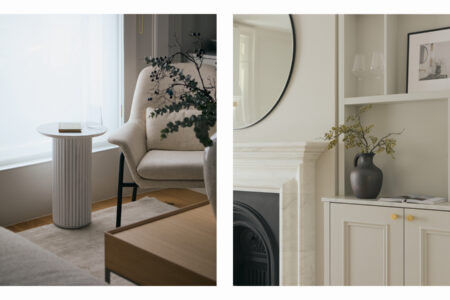
Luxury in residential design is often misunderstood as something that only comes with large budgets or structural overhauls. In reality, the most refined homes are defined less by scale and more by intention. Thoughtful details, restrained palettes, and architectural clarity can dramatically elevate a space—often without major renovations.
If you’ve ever wondered how to make your home look expensive using strategic, design-forward choices, the answer lies in subtlety. Below, we explore expert-approved ways to create a high-end feel through materiality, proportion, lighting, and styling—approaches that prioritise value, longevity, and architectural integrity.
One of the simplest yet most impactful interior design tricks to look high-end is colour restraint. Luxury interiors rarely rely on an excess of hues. Instead, they favour layered neutrals—warm whites, soft greys, muted stone, and earthy tones—that create visual continuity throughout the home.
Painting walls, trim, and even ceilings in closely related shades reduces contrast and allows architecture and furnishings to take precedence. For added sophistication, consider finishes with depth: limewash, matte emulsions, or subtly textured paints offer richness without drawing attention to themselves.
This approach is foundational to many affordable luxury home ideas, as paint delivers a high visual return for a relatively modest investment.
Lighting is one of the most underestimated tools in residential design. While many homes rely solely on overhead fixtures, layered lighting instantly elevates a space.
Combine architectural lighting (recessed or concealed), decorative lighting (pendants and wall sconces), and ambient sources (table and floor lamps). Warm colour temperatures and dimmable controls allow rooms to transition effortlessly from day to evening.
Swapping generic fittings for sculptural or minimalist fixtures—particularly in dining areas, kitchens, and entryways—adds a sense of intention and refinement. When considering luxury home styling tips, lighting should always be high on the list.
True luxury often lies in the bones of a home. Even without structural work, subtle architectural enhancements can dramatically shift perception.
Consider introducing wall panelling, shadow gaps, ceiling cornices with modern profiles, or bespoke joinery. These architectural details that add value create depth and rhythm, making spaces feel custom rather than generic.
Upgrading doors to solid-core versions, adding oversized skirting boards, or framing openings with simple trims are small interventions that signal quality and permanence—hallmarks of high-end residential architecture.
An expensive-looking home is never cluttered. Visual calm is essential. Editing furniture and accessories allows each piece to breathe and be appreciated.
Rather than filling a room, invest in fewer, well-proportioned items with timeless forms. This doesn’t mean everything must be new or costly—vintage pieces, well-chosen mid-range furniture, and bespoke elements can coexist beautifully.
This principle underpins many successful interior design tricks to look high-end: restraint creates impact, while excess dilutes it.
Textiles play a powerful role in how a space feels. Heavy curtains that pool slightly at the floor, full cushions with feather inserts, and layered rugs instantly add softness and luxury.
Choose natural materials—linen, wool, cotton, silk blends—in subdued tones. Even in minimalist interiors, texture is essential to avoid flatness.
Window treatments, in particular, are often overlooked. Hanging curtains higher and wider than the window frame enhances ceiling height and proportions, a classic designer technique for making spaces feel more expansive and refined.
Small details are where luxury quietly asserts itself. Swapping standard hardware for thoughtfully selected alternatives—brushed brass, aged bronze, matte black—can subtly transform kitchens, bathrooms, and joinery.
Consistency is key. Repeating the same finish throughout the home creates cohesion and signals a considered design approach. These upgrades fall squarely into affordable luxury home ideas: relatively minor changes that deliver outsized visual impact.
Styling should feel curated, not staged. Avoid over-accessorising and instead focus on meaningful objects: art, ceramics, books, or sculptural pieces that reflect personal taste.
Art is particularly powerful. Even a single, well-scaled piece can anchor a room and elevate the entire interior. Framing matters—simple, oversized frames with generous mats often look more expensive than ornate alternatives.
These luxury home styling tips emphasise longevity and individuality rather than fleeting trends, ensuring your home remains relevant over time.
Expensive homes feel cohesive. Achieving this doesn’t require open-plan living, but it does require visual continuity.
Repeat materials, colours, and finishes across rooms. Allow sightlines to remain uncluttered. Where possible, align furniture with architectural features rather than walls alone.
This sense of flow enhances spatial clarity—a defining characteristic of well-designed, architect-led homes—and reinforces the impression of quality throughout.
Not every element needs upgrading. The key is knowing where to allocate resources.
Entryways, living areas, and kitchens tend to have the greatest visual impact. Improving lighting, finishes, and detailing in these spaces will elevate the entire home, even if secondary areas remain unchanged.
This strategic approach is central to understanding how to make your home look expensive without undertaking major renovations.
An expensive-looking home is not about excess—it’s about intention, proportion, and quality. By focusing on thoughtful details, architectural clarity, and refined styling, it’s entirely possible to create a high-end atmosphere without structural change.
The most successful interiors balance restraint with warmth, ensuring spaces feel both elevated and deeply livable. With these principles in mind, your home can embody understated luxury—quietly confident, enduring, and unmistakably considered.
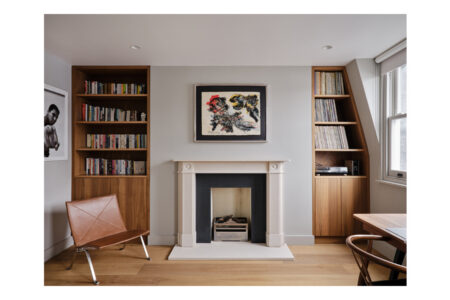
The best colours for a calm home set the tone for serenity in everyday living. Expert and acclaimed London architects masterfully select calming paint colours for interiors in their bespoke residential projects, blending psychology with aesthetics. This guide explores colour psychology for homes, offering relaxing colour schemes for bedrooms and living rooms to help you choose a home colour palette that fosters peace.
Colour influences mood profoundly, with science-backed effects guiding how to choose home colour palette decisions. Blues slow heart rates, greens evoke nature’s tranquillity, and soft neutrals promote balance.
Studies from the University of Sussex confirm that cooler tones lower blood pressure, making them staples in relaxing colour schemes for bedrooms/living rooms. Experts apply this in period refurbishments, ensuring colours harmonise with natural light.
Select from proven neutrals and pastels for the best colours for a calm home. These hues create soothing backdrops without overwhelming small or north-facing UK spaces.
Recommended shades include:
Architects endorses these for their versatility, pairing well with wood tones in retail-inspired residences.
Bedrooms demand ultimate repose, so prioritise relaxing colour schemes for bedrooms with monochromatic or analogous palettes. Deepen serenity by layering tones.
It is important to note blue-greens improve sleep quality by 20%, aligning with colour psychology for homes. In compact London flats, experts use reflective sheens to amplify light, preventing a cave-like feel.
Living rooms balance relaxation and socialising, favouring open schemes in calming paint colours for interiors. Earthy neutrals with pops of muted teal work wonders.
These are perfect for cosy UK lounges, where multifunctional spaces thrive on calm. Architects integrate schemes that evolve with family life, using durable matt finishes.
Master how to choose a home colour palette through a structured approach. Start broad, refine personally.
Use tools like Adobe Colour Wheel for harmony. Test large swatches over days, observing time-of-day shifts.
Neutrals anchor the best colours for a calm home, offering flexibility. Greige, taupe, and stone provide sophistication without trend-chasing.
Benefits include:
Subtle accents inject personality into colour psychology for homes. Limit to 10% of the scheme with muted jewel tones.
Experts advise against bold primaries, favouring desaturated versions for sustained calm. In small spaces, vertical accents like tall lamps draw eyes up.
Lighting alters calming paint colours for interiors dramatically. Natural UK daylight varies; supplement wisely.
Avoid pitfalls when selecting the best colours for a calm home.
Found Associates crafts calming environments through thoughtful palettes, from feasibility studies to handover. Their House & Garden recognition underscores mastery in serene interiors. Consult professionals for personalised colour psychology for homes.
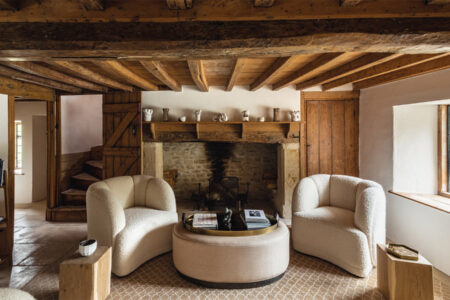
Choosing the best furniture layout for small spaces transforms cramped areas into functional, stylish havens. It is very important to maximise every inch, whether refurbishing period homes or designing modern apartments. This guide draws on expert space-saving interior design tips to help you master small room furniture ideas and create inviting layouts tailored to UK homes.
Start with precise measurements to ensure the best furniture layout for small spaces. Sketch a floor plan including doors, windows, and radiators to visualise traffic flow and avoid overcrowding.
Planning prevents costly errors. For instance, positioning a sofa opposite a window maintains light flow while defining zones.
Opt for versatile pieces that serve dual purposes in small room furniture ideas. Storage-integrated items keep clutter at bay, enhancing how to arrange furniture in a small room effectively.
These space-saving interior design tips make small apartment layout ideas practical for urban dwellers.
Efficient circulation is key to arranging furniture in a small room. Create 60-90cm pathways to avoid a squeezed feel, using zoning to delineate activities without walls.
Consider these zoning strategies:
Floating layouts, where furniture isn’t flush against walls, add depth as per Ideal Home’s rules for tiny lounges. In narrow UK rooms, align pieces lengthwise to elongate the space, a technique Found Associates applies to London extensions.
Go upwards with vertical storage to free floor area in small apartment layout ideas. Low-profile furniture creates an illusion of height, amplifying space-saving interior design tips.
Experts recommend tapered legs on furniture to enhance the under-space illusion, ideal for hoovering in petite living rooms. Mirrors opposite windows bounce light, while pale palettes on walls recede boundaries—proven methods for compact UK flats.
Scale dictates success in the best furniture layout for small spaces. Oversized items overwhelm; choose proportionate alternatives that fit seamlessly.
Key selection tips include:
Strategic lighting enhances how to arrange furniture in a small room by drawing eyes upwards. Layer ambient, task, and accent sources to avoid shadows.
Minimal accessories prevent clutter: opt for a gallery wall or single statement mirror. These are the best for bedrooms, extending to living areas where space-saving interior design tips shine. Colour-drenched rugs unify zones without expanding the footprint.
Tailor layouts to the room shape for optimal small apartment layout ideas. Here are proven configurations:
Steer clear of pitfalls that sabotage the best furniture layout for small spaces.
Experts warn against mismatched scales, advocating measured planning. Bulkier single pieces often outperform multiples, per King Living experts.
Sustain layouts with seasonal tweaks. Rotate accessories biannually to refresh without an overhaul.
This flexibility underpins enduring small apartment layout ideas, mirroring Found Associates’ client-centric evolution.
Found Associates brings architectural precision to interiors, perfect for small room furniture ideas. Their collaborative process—from feasibility to handover—ensures layouts realise property potential.
For bespoke advice, consult architects versed in UK planning. Their international portfolio equips them for challenging small spaces in flats or cottages.
FAQs related to Choosing the Best Furniture Layout for a Small Room
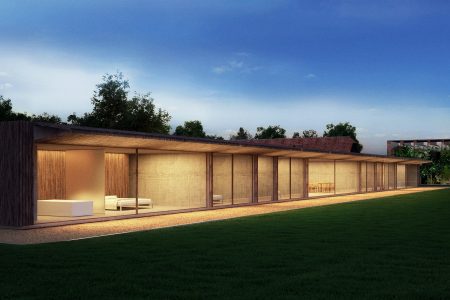
As we move towards 2026, residential architecture is entering a particularly interesting moment. Homeowners are looking for more than visual impact: they want homes that are sustainable, adaptable, technologically fluent and deeply restorative to live in. For luxury architects, UK clients engage today; the challenge is to balance innovation with timelessness – creating spaces that will still feel relevant a decade from now.
Below, we explore the key residential design trends shaping the future of residential architecture and what they mean for those planning a high-end home or refurbishment in the coming years.
Across leading studios and international design press, several forces consistently emerge as drivers of 2026’s residential design trends:
For contemporary residential architects, the result is a more human, layered and responsive approach to the home.
Environmental performance is no longer an optional add-on; it is the backbone of most serious projects. Articles charting the future of residential architecture consistently highlight low-energy envelopes, high-performance glazing, and renewable energy integration as baseline expectations rather than aspirational extras.
Key sustainable directions for 2026 include:
For homeowners working with top architecture firms UK-wide, sustainability is less about overt eco-aesthetics and more about a quietly efficient building that costs less to run and feels comfortable year-round.
Wellness architecture – once a niche – is now firmly part of mainstream residential design. Publications exploring wellness and biophilic design emphasise natural light, air quality and contact with nature as essential components of the modern home.
Expect to see in 2026:
For clients commissioning luxury architects in UK practices, the brief is increasingly about how a home makes them feel on an everyday Tuesday, not simply how it photographs.
Technology has matured from visible gadgets to largely invisible infrastructure. Recent reports on residential buildings highlight smart systems as standard – managing heating, cooling, lighting and security in the background.
Emerging patterns include:
Contemporary residential architects are designing homes that are technologically sophisticated, but never at the expense of calm, legible interiors.
Adaptability is one of the defining residential design trends for 2026. Architectural commentary on future-ready homes repeatedly references flexible layouts, multi-use rooms and spaces that can evolve with changing life stages.
Common strategies include:
For homeowners, these strategies make the future of residential architecture less about predicting one perfect layout and more about building in options.
While sustainability and technology drive performance, the visual language of high-end homes is moving towards warmth and tactility. Design press anticipating 2026 notes a continued move away from stark minimalism towards richer textures, curves and more expressive use of colour.
Expect to see:
Analysing leading UK practices and competitor strategies highlights how consistent storytelling, craftsmanship and clarity of concept underpin the most successful luxury residential work.
Beyond individual homes, commentators on the future trends of residential architecture point to modular design and adaptive reuse as key strategies for more sustainable cities.
In practice, this means:
For private clients, even at the scale of a single home, borrowing this logic results in layouts and details that can absorb future extensions, changing family structures or new technologies with minimal demolition.
For those considering a new home or major renovation, engaging contemporary residential architects early in the process remains critical. The most successful collaborations between clients and top architecture firms UK-wide tend to share a few characteristics:
When these foundations are in place, the latest residential design trends become a toolkit rather than a checklist, supporting homes that feel both distinctly of their time and quietly timeless.