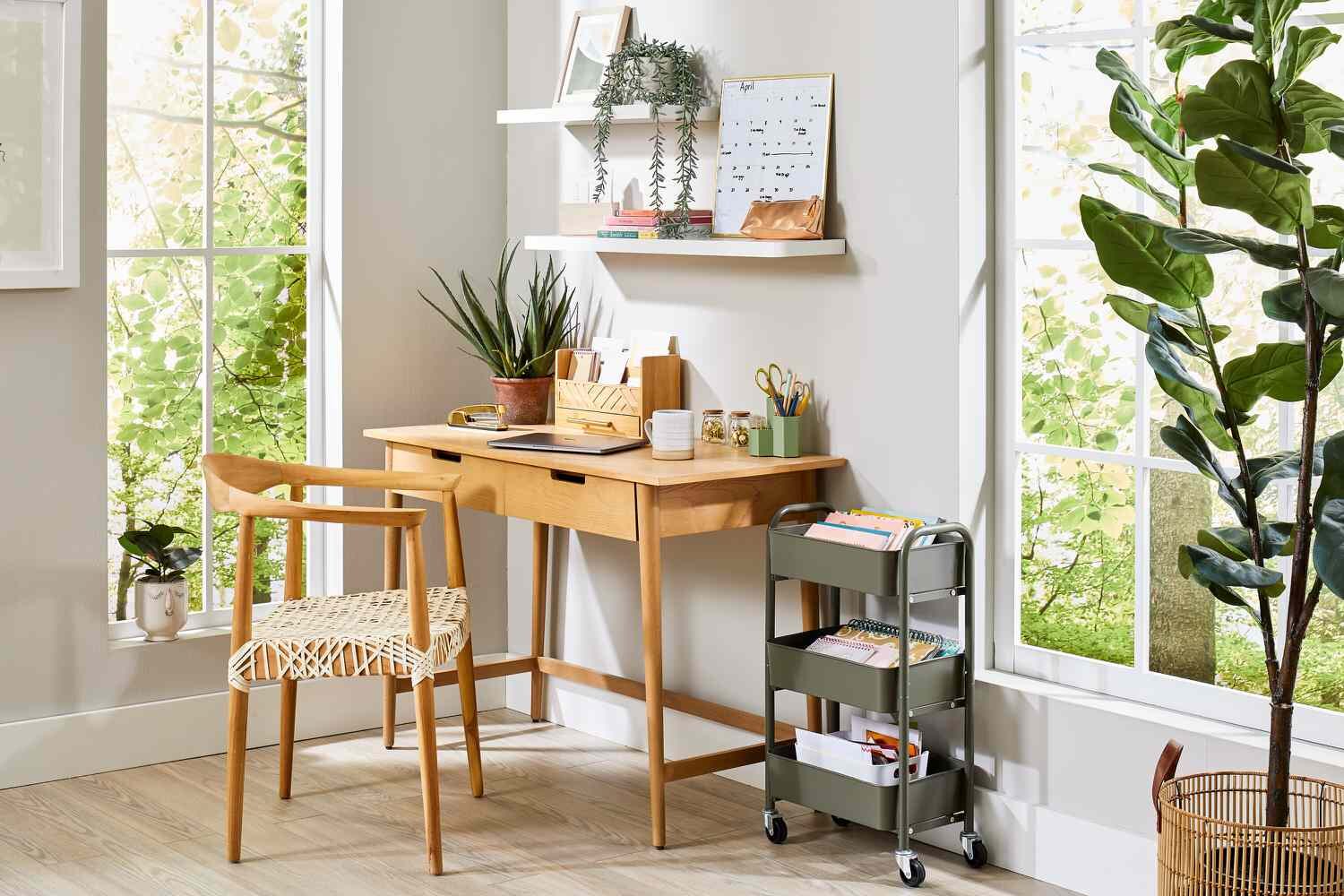
A beautifully designed home should enhance daily life—not complicate it. Yet for many households, especially those balancing demanding work schedules, family life, and social commitments, there’s a persistent tension between aesthetics and practicality. The good news is that thoughtful design can deliver both.
A stylish home that works for a busy lifestyle is not about compromise. It’s about intention: designing spaces that are calm, intuitive, and resilient—where beauty is built into the architecture, not layered on top of daily chaos. Below, we explore how to achieve a home that feels refined and considered while remaining deeply functional.
Start With How You Actually Live
The most successful homes begin with an honest assessment of daily routines. How do you move through the space each morning? Where does clutter naturally accumulate? Which rooms need to multitask?
Rather than forcing life to adapt to a finished interior, good residential design allows spaces to evolve around real patterns of use. Entryways that accommodate bags and coats without visual clutter, kitchens that support both weekday efficiency and weekend entertaining, and living spaces that transition easily from work to rest are all hallmarks of homes designed for modern living.
Style, in this context, is not decorative—it’s strategic.
Design Storage as Architecture, Not Afterthought
For busy households, clutter is the enemy of calm. The key is not more storage, but better storage—integrated seamlessly into the architecture of the home.
Bespoke joinery, full-height cabinetry, concealed cupboards, and multifunctional furniture allow everyday items to disappear when not in use. When storage is planned from the outset, it doesn’t feel utilitarian; it becomes part of the visual language of the space.
A calm interior is often the result of what you don’t see. Clean lines, uninterrupted surfaces, and well-considered storage support both order and elegance.
Choose Materials That Age Gracefully
A stylish home for a busy lifestyle must be robust. This doesn’t mean sacrificing beauty—quite the opposite. Natural materials often perform best over time, developing character rather than showing wear.
Timber floors, stone surfaces, high-quality engineered materials, and matte finishes are forgiving, tactile, and timeless. They handle daily use while maintaining visual integrity. Avoid overly delicate finishes that demand constant maintenance or perfection to look good.
Durability is an essential component of luxury. A home that ages well feels confident, relaxed, and effortlessly refined.
Create Calm Through a Restrained Palette
Visual simplicity makes life easier. A cohesive, restrained colour palette reduces sensory overload and allows spaces to feel calm—even when life is busy.
Layered neutrals, soft tonal shifts, and natural hues create continuity throughout the home. This doesn’t mean the absence of personality; instead, colour and texture are introduced selectively through art, textiles, and furniture.
A controlled palette also makes spaces more flexible. As needs change, rooms can adapt without requiring constant redecoration.
Make Layouts Work Harder
Spatial planning is one of the most powerful tools in balancing style and function. Well-considered layouts minimise friction and maximise flow.
Open-plan spaces benefit from subtle zoning—changes in ceiling height, lighting, or material—to define areas without walls. Private spaces should feel protected and restful. Circulation routes should be intuitive, not disruptive.
When layouts are clear, homes feel calmer. Movement becomes effortless, and rooms support multiple uses without visual or physical clutter.
Prioritise Lighting That Supports Daily Rhythms
Lighting has a profound impact on how a home feels and functions. For busy lifestyles, flexibility is key.
Layered lighting—combining architectural, ambient, and task lighting—allows spaces to adapt throughout the day. Bright, functional light supports morning routines and work-from-home needs, while warmer, softer lighting creates atmosphere in the evening.
Thoughtfully placed lighting also reduces reliance on decorative excess. When the architecture is well-lit, the space itself becomes the focal point.
Invest in Furniture That Balances Comfort and Form
Furniture in a busy home must work hard. Pieces should be comfortable, well-proportioned, and durable—without overwhelming the space.
Opt for fewer, better-quality items rather than filling rooms with excess. Modular seating, extendable tables, and adaptable pieces support changing needs while maintaining a cohesive aesthetic.
Upholstery in robust fabrics, generous cushions, and simple silhouettes ensures comfort without visual heaviness. The result is a home that feels welcoming rather than precious.
Design Flexibility Into the Home
Busy lifestyles change over time. Homes should be able to respond accordingly.
Spaces that can shift function—guest rooms doubling as studies, dining areas accommodating homework, living rooms supporting quiet evenings and social gatherings—are invaluable. Flexibility doesn’t require gimmicks; it’s achieved through thoughtful proportions, integrated storage, and adaptable furniture.
A well-designed home anticipates change. This foresight is what allows it to remain stylish long after trends have passed.
Let Styling Be Intentional, Not Overdone
In homes designed for real life, styling should enhance rather than dominate. Avoid over-accessorising. Instead, focus on a few meaningful pieces—art, ceramics, books—that bring warmth and personality.
When architecture, materials, and layout are doing the heavy lifting, styling can remain understated. This not only looks more refined, but also makes daily maintenance easier.
An elegant home doesn’t demand constant attention. It supports life quietly, in the background.
Style Should Make Life Easier
A stylish home that works for a busy lifestyle is not defined by perfection, but by clarity. When design decisions are grounded in how you live—rather than how a space photographs—homes become calmer, more resilient, and more enjoyable.
True luxury lies in ease: spaces that feel intuitive, materials that endure, and interiors that support daily life without asking for constant upkeep. With thoughtful planning and architectural intent, it’s entirely possible to create a home that is both beautifully designed and effortlessly livable.
FAQs related to Stylish Home Design for a Busy Lifestyle
- How do I keep a stylish home tidy when life is busy?
Build in “invisible” storage: full-height cabinetry, closed joinery, and a dedicated drop zone at the entry. The goal is to make tidying fast and frictionless. - What design choices make a home easier to live in day-to-day?
Clear circulation, layered lighting, durable finishes, and zones for daily routines (work, prep, laundry, entry storage). When the layout works, everything else feels simpler. - Which materials look refined but can handle heavy use?
Timber, stone, well-specified engineered surfaces, matte finishes, and hardwearing upholstery. Prioritise materials that patina gracefully rather than show every mark. - How can I make open-plan living feel organised, not chaotic?
Use subtle zoning—rugs, lighting changes, joinery lines, and furniture placement—to define areas without adding walls. Keep a restrained palette to maintain visual calm.
- How do I make my home feel stylish without constant restyling?
Choose a cohesive base (palette + core materials), invest in fewer, better pieces, and keep styling intentional: one strong artwork, a few tactile textiles, and objects with meaning.