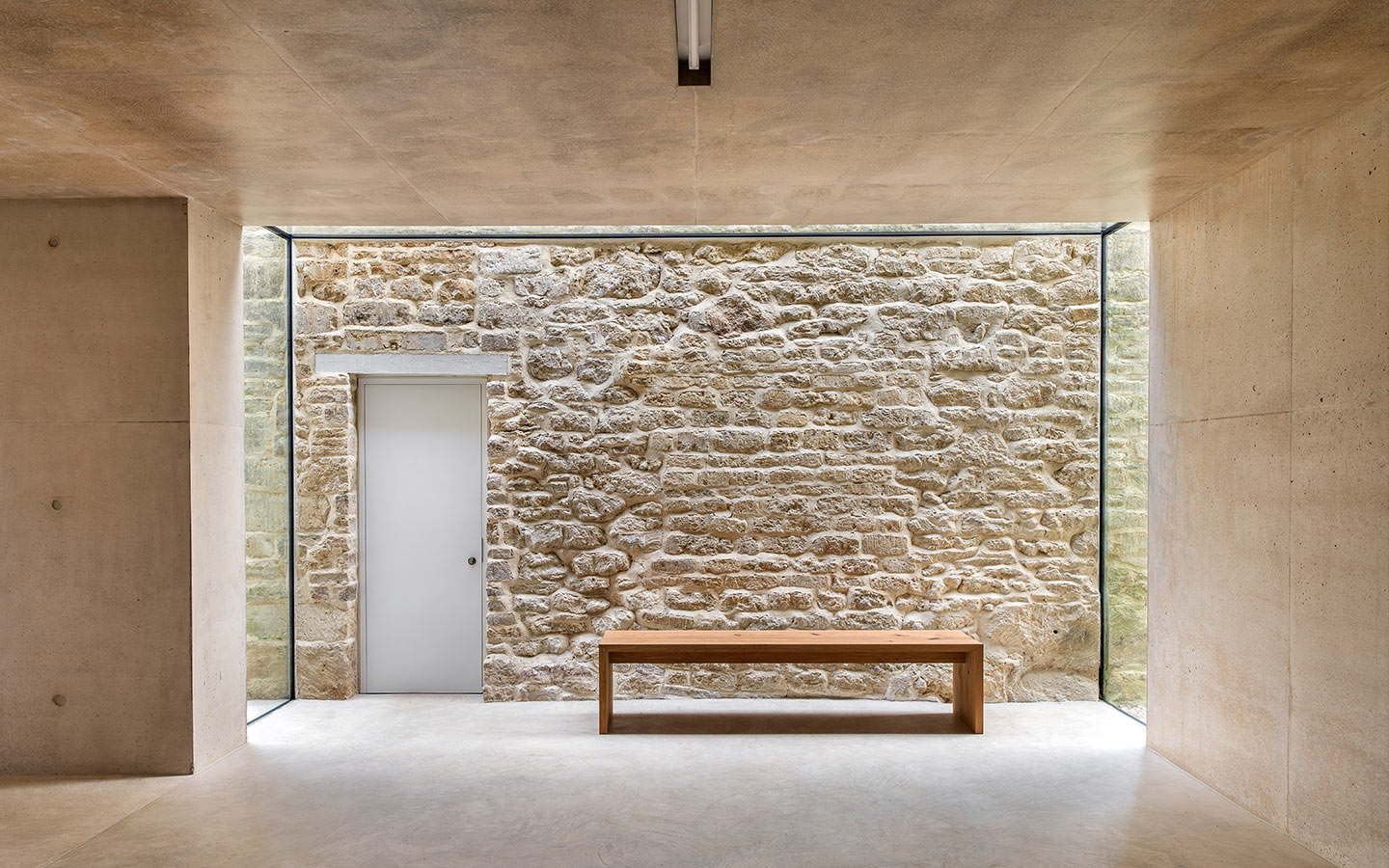
A home that works beautifully today can feel compromised in ten years if it is designed too tightly around current habits or short-term trends. Homes that age well have flexible planning, durable materials, and thoughtful detailing that support comfort through different life stages. They also perform well, staying warm in winter, comfortable in summer, and easy to maintain as years pass.
Architects design with time in mind. They anticipate how families grow, how accessibility needs may change, and how building performance expectations evolve, so the home remains practical, efficient, and valuable. The goal is not to predict the future perfectly. It is to create a home that can adapt without expensive or disruptive changes.
Flexible Layouts That Adapt To Life Changes
The most future-proof homes are not the most complicated. They are the ones with room proportions and circulation that allow spaces to shift use naturally. A spare room can become a home office, a nursery, or a guest room. A ground-floor study can become a bedroom later. When these transitions are planned from the start, the home stays functional without major rework.
Architects often avoid overly narrow rooms, awkward corners, and circulation that relies on passing through other rooms. Flexibility improves privacy, supports changing routines, and keeps the home feeling calm as needs evolve.
- Multi-purpose rooms with sensible proportions
• Clear circulation that can support accessibility upgrades
• Zoning that balances social space and quiet space
• Storage strategies that reduce future clutter pressure
Daylight, Ventilation, And Comfort As Foundations
Natural light and good air quality never go out of style. Homes that age well are designed around orientation, daylight access, glare control, and ventilation routes that work in daily life. These fundamentals support well-being and reduce the need for mechanical fixes or constant adjustments later.
Architects think about where light enters, how deep floor plans affect brightness, and how rooms will feel throughout the day. Ventilation is equally important. A home that can be aired naturally without discomfort is less likely to suffer from condensation, mould, or overheating.
- Balanced daylight through thoughtful window placement
• Ventilation routes that work in everyday routines
• Glare control and shading where needed
• Thermal comfort planning for summer and winter
Durable Materials And Repairable Details
Materials influence how a home looks after years of use. High-quality design is not only about expensive finishes. It is about choosing materials that suit the way a space will be used and detailing them so they wear well. Durable decisions reduce maintenance, prevent premature replacement, and protect long-term value.
Architects often prioritise junctions and edge details because they are the first places where wear and defects show up. A well-detailed threshold, window reveal, or wet area junction can make the difference between a home that stays crisp and one that ages quickly.
- Durable surfaces in high traffic areas
• Simple, well-detailed junctions to reduce cracks and wear
• Products with clear maintenance and replacement paths
• Moisture-resilient finishes in kitchens and bathrooms
Energy Performance And Future Proofing
Regulations and buyer expectations continue to rise. A home designed with strong energy performance is more comfortable, cheaper to run, and more competitive on the market over time. Architects usually start with a fabric-first mindset, improving insulation, airtightness, and glazing performance so comfort is built in rather than added later.
Where budgets allow, architects also plan for future upgrades. A home may not install solar panels immediately, but it can be designed to make it easy later. Heating systems can be planned so switching to a low-carbon option is less disruptive.
- Strong fabric first approach to efficiency
• Reduced running costs through insulation and glazing strategy
• Ventilation planned to support airtightness without damp risk
• Provision for future upgrades where feasible
Timeless Proportion And Calm Simplicity
Trends come and go, but proportion, light, and spatial clarity remain. Homes that age well often feel calm and balanced. They do not rely on gimmicks. Architects use proportion, rhythm, and hierarchy so rooms feel right even as furniture and tastes change.
This also applies to external design. Extensions that respect scale and massing tend to feel less dated. Interiors with simple, consistent material palettes are easier to update over time without feeling disjointed.
- Balanced room proportions and ceiling heights
• Simple material palettes that allow interiors to evolve
• Consistent detailing that feels intentional
• Clear hierarchy between public and private spaces
Contextual Design That Respects Place
A home that responds to its street, its neighbours, and its local character tends to age better. Contextual design is not about copying. It is about understanding the patterns that make an area feel coherent and designing within that framework.
This can also protect value because homes that sit comfortably in their context often face fewer planning issues and attract buyers who want a home that feels appropriate to its setting. In London, especially, where character and conservation considerations are common, contextual design can be a major advantage.
- Materials that relate to local character
• Massing that sits comfortably on the street
• Window proportions that feel balanced
• Design decisions that support planning acceptance
Robustness In Everyday Use
A home can be beautiful and still fail if daily life feels hard. Homes that age well handle the messiness of real living. They have places for coats, shoes, cleaning items, recycling, and storage. They also plan for services and maintenance access so the building is easier to run.
Architects often build robustness into the plan through utility zones, integrated storage, and logical adjacencies that reduce friction, such as a practical route from entrance to kitchen or a calm landing with storage rather than clutter.
- Utility and storage zones that support daily routines
• Logical adjacencies that reduce repeated movement
• Maintenance access planned for key services
• Finishes selected for wear and easy cleaning
Homes that age well are not defined by a single style. They succeed because they are flexible, comfortable, efficient, and thoughtfully detailed. Architects design for long-term life by planning adaptable layouts, improving daylight and ventilation, selecting durable materials, and future-proofing energy performance. The result is a home that stays enjoyable to live in and remains desirable in the market as expectations evolve.
If you want a home that is designed to perform beautifully now and continue working for decades, Found Associatescan support you from early strategy through to delivery with a long-term design mindset.
FAQs
What Makes A Home Future-Proof?
A future-proof home has adaptable layouts, good energy performance, durable materials, and the ability to upgrade systems over time.
Are Open Plan Homes Better Long Term?
They can be, but the best plans balance openness with options for privacy, acoustics, and flexible zoning.
Do Materials Really Affect Long-Term Value?
Yes. Durable, well-detailed materials reduce maintenance costs and keep the home looking premium for longer.
How Can I Plan For Accessibility Without Making The House Feel Clinical?
Good circulation, sensible door widths, and a flexible ground-floor room can support later changes without compromising design.
Should I Design For Resale Or For Myself?
Design for your life, but keep layouts and finishes broadly appealing and easy to adapt to protect future value.