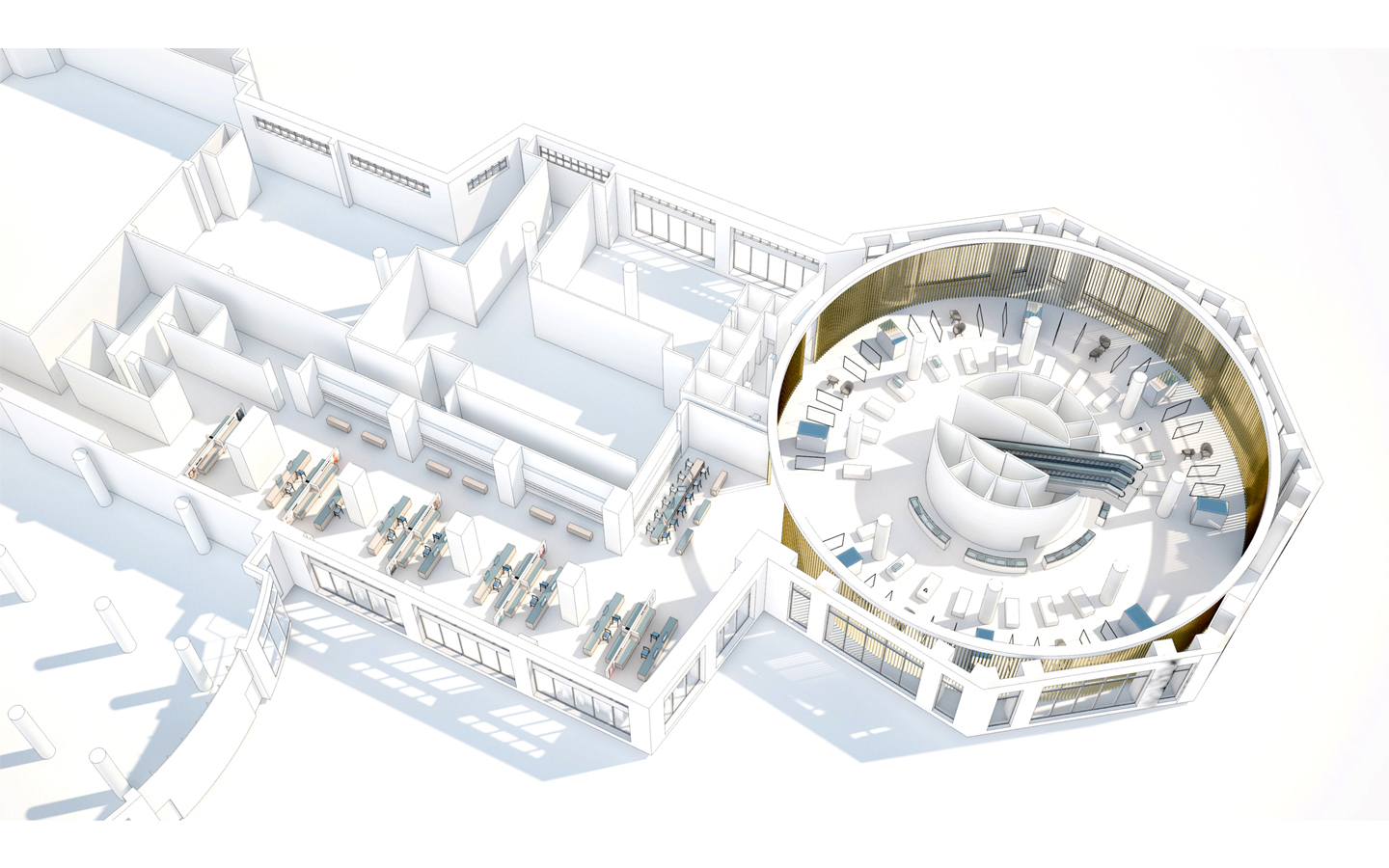
A strong concept can win immediate excitement. It can capture the client’s ambition, unlock the site, and establish a clear sense of identity for the project. Yet many buildings lose their power between the first presentation and the final build. Details change, costs tighten, consultants work in isolation, and the original idea begins to blur.
Protecting architectural vision is not about defending a sketch at all costs. It is about guiding a project carefully from concept to completion so the qualities that mattered at the start remain intact by the time the building is finished.
A Good Concept Needs More Than Enthusiasm
Early design ideas often feel compelling because they are simple. They show a direction, a mood, or a spatial principle. But turning that into a real building requires a series of disciplined decisions. Proportions need testing. Planning constraints need resolving. Structure, lighting, services, and materials all need to support the same idea.
Vision is protected not by repeating the concept language, but by translating it accurately through each stage.
This usually involves:
• A clear architectural narrative
• Early testing of layout and massing
• Material choices aligned with the concept
• Technical details that support the design intent
• Consistent oversight through procurement and construction
Planning Is The First Real Pressure Test
The planning stage often forces a concept to prove its strength. A proposal has to respond not only to the client brief, but also to context, neighbours, policy, and sometimes heritage issues. If the design was superficial to begin with, this is where it starts to unravel.
When the concept is genuinely grounded in site and context, it is far easier to refine without losing integrity. Good architects know how to adapt strategically while preserving the qualities that matter most.
Planning-stage protection often comes from:
• Context-led massing decisions
• Careful management of scale and overlooking
• Strong justification for material and form
• Clear and persuasive drawing packages
Technical Design Is Where Vision Often Gets Lost
Many clients assume the difficult creative work is finished once planning approval is secured. In reality, technical design is where the project either gains precision or starts to lose quality. Small decisions around junctions, ceiling depths, joinery, lighting positions, and buildability all influence how the final space feels.
Architectural vision survives when these details are treated as part of the design, not as afterthoughts.
Critical technical areas include:
• Window and door detailing
• Ceiling and lighting coordination
• Stair design and balustrade quality
• Material transitions
• Integrated storage and joinery
Cost Control Should Support The Idea, Not Dilute It
Budget pressure is one of the most common reasons a project drifts from its original vision. But cost control does not need to mean compromise in the wrong places. When handled early and intelligently, it can sharpen the scheme rather than weaken it.
The key is to understand which parts of the design are doing the real work. Not every element carries equal value. Protecting vision means prioritising what defines the project and being disciplined elsewhere.
This approach helps by:
• Preserving key spatial moves
• Protecting the most important materials
• Reducing spending on lower-impact areas
• Avoiding panic-driven changes on site
Consultant Coordination Matters More Than Most People Realise
Even the best concept can fail if consultants are not aligned. Structure may conflict with glazing, services may compromise ceiling quality, and construction sequencing may affect finishes. Architectural vision depends on good coordination because every discipline influences how the design is eventually built.
This is why continuity of architectural involvement is so valuable. It helps keep the project coherent as information becomes more detailed.
Coordination protects design through:
• Early consultant input
• Clear drawing packages
• Regular design reviews
• Timely issue resolution
• Consistent reference back to the core concept
Construction Support Protects Quality On Site
No matter how carefully a project is designed, the building phase introduces real-world variables. Site conditions, substitutions, sequencing issues, and interpretation gaps can all change the result. Architectural vision needs active protection during this stage as well.
An architect involved in construction can answer queries quickly, review samples, monitor key details, and maintain the design standard agreed earlier in the process.
Site-stage protection often includes:
• Reviewing shop drawings and samples
• Clarifying details during construction
• Checking critical dimensions and finishes
• Supporting contractor decision-making
• Maintaining consistency across trades
Why Continuity Makes Such A Difference
One of the simplest ways to protect architectural vision is to reduce fragmentation. When the same practice stays engaged from concept to completion, the project benefits from memory, consistency, and accountability. The team understands why decisions were made and can protect the logic behind them as complexity increases.
That continuity often leads to a calmer process and a more resolved outcome.
From concept to completion, architectural vision is protected through clarity, discipline, and continuity. It survives when the original idea is rooted in the brief and the site, then carried carefully through planning, technical design, cost decisions, coordination, and site delivery. That is what turns a promising concept into a finished project that still feels whole.
For clients who want their project to retain its quality from first sketch to final detail, Found Associates guides the process with close involvement, careful coordination, and a clear commitment to design integrity.
FAQs
- What Does It Mean To Protect Architectural Vision?
It means preserving the key qualities of the design through planning, detailing, cost decisions, and construction. - When Is Design Most At Risk Of Being Diluted?
Often, during technical design and construction, coordination and budget pressures become more intense. - Can Budget Changes Be Managed Without Losing Quality?
Yes, if value decisions are made strategically and the core elements of the design are prioritised. - Why Is Architect Involvement During Construction Important?
Because site conditions and contractor queries can affect the final result, the design is actively monitored.
5. Does Continuity Across Project Stages Matter?
Very much. It improves clarity, accountability, and consistency from concept through to completion.