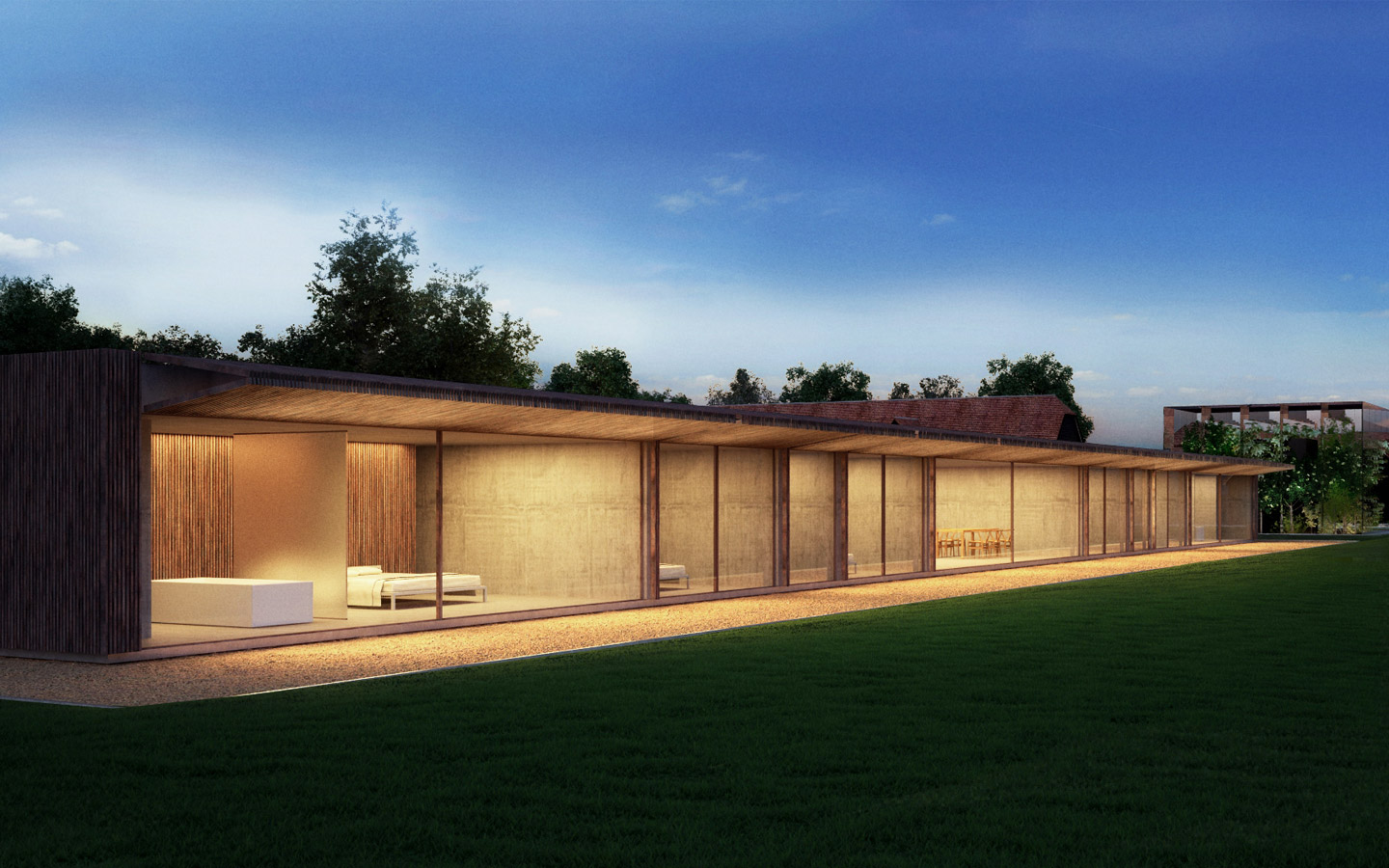
As we move towards 2026, residential architecture is entering a particularly interesting moment. Homeowners are looking for more than visual impact: they want homes that are sustainable, adaptable, technologically fluent and deeply restorative to live in. For luxury architects, UK clients engage today; the challenge is to balance innovation with timelessness – creating spaces that will still feel relevant a decade from now.
Below, we explore the key residential design trends shaping the future of residential architecture and what they mean for those planning a high-end home or refurbishment in the coming years.
What is shaping residential design in 2026?
Across leading studios and international design press, several forces consistently emerge as drivers of 2026’s residential design trends:
- Climate urgency and stricter energy standards
- The normalisation of hybrid and remote work
- A growing emphasis on wellbeing and mental health at home
- Rapid advances in smart home and AI-enabled systems
- A desire for craftsmanship and tactility over purely digital minimalism
For contemporary residential architects, the result is a more human, layered and responsive approach to the home.
Sustainability as the quiet backbone of luxury
Environmental performance is no longer an optional add-on; it is the backbone of most serious projects. Articles charting the future of residential architecture consistently highlight low-energy envelopes, high-performance glazing, and renewable energy integration as baseline expectations rather than aspirational extras.
Key sustainable directions for 2026 include:
-
Net-zero and low-energy homes
- Highly insulated building envelopes
- Triple glazing and airtight construction
- Mechanical ventilation with heat recovery
-
Responsible materials
- Increased use of timber, recycled metals and low-carbon concrete alternatives
- Preference for durable, repairable finishes over short-life synthetics
-
On-site energy generation
- Integrated solar, battery storage and smart load management
- Discreet positioning of panels and plants to preserve clean architectural lines
-
Designing for longevity
- Flexible floor plans that can be reconfigured rather than demolished
- Robust detailing that weathers well and reduces maintenance
For homeowners working with top architecture firms UK-wide, sustainability is less about overt eco-aesthetics and more about a quietly efficient building that costs less to run and feels comfortable year-round.
Wellness, biophilia and homes that restore
Wellness architecture – once a niche – is now firmly part of mainstream residential design. Publications exploring wellness and biophilic design emphasise natural light, air quality and contact with nature as essential components of the modern home.
Expect to see in 2026:
-
Abundant natural light
- Larger, carefully oriented openings and rooflights
- Light wells in dense urban plots
-
Biophilic principles
- Views onto greenery and water
- Internal courtyards and planted terraces
- Natural materials – stone, timber, lime plasters – specified for touch as much as appearance
-
Wellness-focused rooms
- Spa-like bathrooms with generous showers and steam or sauna elements
- Meditation corners, reading niches and quiet rooms away from primary circulation
-
Healthy building specification
- Low-VOC paints and finishes
- Intelligent ventilation strategies and air purification
For clients commissioning luxury architects in UK practices, the brief is increasingly about how a home makes them feel on an everyday Tuesday, not simply how it photographs.
Smart homes: discreet, integrated and future-ready
Technology has matured from visible gadgets to largely invisible infrastructure. Recent reports on residential buildings highlight smart systems as standard – managing heating, cooling, lighting and security in the background.
Emerging patterns include:
-
Quiet integration
- Recessed sensors, minimal interfaces and voice control that do not dominate walls
- Centralised control systems are designed to be intuitive for all generations
-
AI-assisted efficiency
- Learning patterns of occupation to reduce energy use
- Predictive maintenance alerts for building services
-
Robust digital infrastructure
- Hard-wired data networks alongside Wi-Fi for reliability
- Thoughtful placement of server and AV spaces to manage heat and noise
Contemporary residential architects are designing homes that are technologically sophisticated, but never at the expense of calm, legible interiors.
Flexible, multi-functional and multi-generational spaces
Adaptability is one of the defining residential design trends for 2026. Architectural commentary on future-ready homes repeatedly references flexible layouts, multi-use rooms and spaces that can evolve with changing life stages.
Common strategies include:
-
Rooms that work harder
- Guest rooms that comfortably function as study or wellness spaces
- Secondary living areas that can absorb play, TV and homework zones
-
Subtle zoning instead of full open-plan
-
Multi-generational living
- Self-contained suites with their own entrances
- Future-proofing for accessibility – gentle level changes, generous door widths, provision for lifts
For homeowners, these strategies make the future of residential architecture less about predicting one perfect layout and more about building in options.
Craft, character and the new expression of luxury
While sustainability and technology drive performance, the visual language of high-end homes is moving towards warmth and tactility. Design press anticipating 2026 notes a continued move away from stark minimalism towards richer textures, curves and more expressive use of colour.
Expect to see:
-
Softly sculpted forms
- Curved staircases, fluted kitchen islands and rounded corners that feel both contemporary and inviting
-
Material richness
- Expressive stones, heavily grained timber, patinated metals
- Layered textiles and wall treatments that read as tailored rather than busy
-
Tailored, not themed, interiors
- Bespoke joinery and detailing that respond directly to the architecture
- Fewer, better pieces of furniture and lighting, often commissioned or artisan-made
Analysing leading UK practices and competitor strategies highlights how consistent storytelling, craftsmanship and clarity of concept underpin the most successful luxury residential work.
Modular thinking and adaptive reuse
Beyond individual homes, commentators on the future trends of residential architecture point to modular design and adaptive reuse as key strategies for more sustainable cities.
In practice, this means:
-
Modular and off-site construction
- Repeating structural grids that allow for prefabricated elements
- Shorter on-site programmes and less neighbourhood disruption
-
Designing for change
- Structural and services planning that anticipates future reconfiguration
- Buildings conceived as “frameworks” for evolving interiors
For private clients, even at the scale of a single home, borrowing this logic results in layouts and details that can absorb future extensions, changing family structures or new technologies with minimal demolition.
Working with contemporary residential architects in 2026
For those considering a new home or major renovation, engaging contemporary residential architects early in the process remains critical. The most successful collaborations between clients and top architecture firms UK-wide tend to share a few characteristics:
- A clear, shared understanding of lifestyle priorities and long-term plans
- Alignment on the level of sustainability and smart integration is targeted
- A realistic view of the budget and programme, including allowances for quality materials and specialist trades
- Trust in the architect’s ability to edit – to lean into enduring, not fleeting, trends
When these foundations are in place, the latest residential design trends become a toolkit rather than a checklist, supporting homes that feel both distinctly of their time and quietly timeless.
FAQs
- What are the most important residential design trends for 2026?
The most important trends include highly sustainable, low-energy homes; wellness-centred layouts with strong biophilic elements; discreet but sophisticated smart technology; flexible, multi-functional spaces; and a renewed emphasis on craftsmanship and material richness. Together, these define the future of residential architecture as both high-performing and deeply human. - How are luxury architects in the UK practices responding to sustainability?
Leading UK studios are integrating sustainability from the outset – orienting buildings for passive solar gain, specifying low-carbon materials, designing highly insulated envelopes and incorporating renewable energy systems. Rather than making a visual statement, sustainability is treated as an integral performance layer that supports comfort, resilience and long-term value. - What role do contemporary residential architects play in wellness-focused homes?
Contemporary residential architects curate light, space, acoustics and materiality to support wellbeing. That might mean re-planning a layout to bring daylight deeper into the plan, framing views to greenery, designing quiet retreat spaces, or specifying healthier finishes. They also coordinate with consultants on ventilation, acoustics and landscape to create a holistic wellness strategy. - Are smart homes essential for future-proofing a property?
While not every element needs to be fully automated, providing robust digital infrastructure and provision for future smart systems is increasingly considered good practice. Even if a client prefers analogue controls today, allowing for future upgrades – through cabling routes, plant space and flexible control strategies – helps protect the investment as the future of residential architecture becomes ever more connected. - How do I choose between different top architecture firms UK wide for my home project?
Start by reviewing each practice’s completed residential work, looking for clarity of concept, quality of detailing and an approach that resonates with how you want to live. Meet shortlisted teams to assess chemistry and communication, discuss their experience with projects of similar scale and complexity, and understand how they approach sustainability and technology. The right firm will combine strong design leadership with a collaborative, transparent process.
Reference
- Livingetc – “9 Architecture Trends That Will Dominate in 2026” – https://www.livingetc.com/ideas/architecture-trends-2026 Livingetc
- De Mode Magazine – “The Future of Residential Architecture” – https://www.demodemagazine.com/the-future-of-residential-architecture DE MODE
- HRA Architects – “The Future of Residential Design: Trends for 2026 and Beyond” – https://hraarchitects.com/2025/11/11/the-future-of-residential-design-trends-for-2026-and-beyond/ HRA Architects
- Resident – “The Rise of Wellness Architecture: Homes Designed for Holistic Well-Being” –https://resident.com/resource-guide/2024/12/03/the-rise-of-wellness-architecture-designing-homes-for-holistic-well-being Resident Magazine
- Architizer Journal – “Architect’s Guide: Home Design Trends in 2025” – https://architizer.com/blog/inspiration/stories/an-architectural-guide-to-home-design-trends-in-2025/ Architizer
- e-architect – “The Future of Residential Architecture” – https://www.e-architect.com/articles/the-future-of-residential-architecture e-architect
- Render Expo – “Exploring the Future: Five Architectural Trends Poised to Transform Design in 2026” – https://www.renderexpo.com/post/exploring-the-future-five-architectural-trends-poised-to-transform-design-in-2026 RENDEREXPO
- Architecture Art Designs – “Smart and Sustainable Living Spaces for the Year Ahead” – https://www.architectureartdesigns.com/smart-and-sustainable-living-spaces-for-the-year-ahead/ Architecture Art Designs
- Novatr – “Top Architectural Design Trends in 2025” – https://www.novatr.com/blog/top-architectural-design-trends Novatr
- Ideal Home – “Curved Fluted Kitchen Island Trend 2026” – https://www.idealhome.co.uk/all-rooms/kitchen/curved-fluted-kitchen-island-trend-2026 Ideal Home
- The Spruce – “Pocket Door Trend 2026” – https://www.thespruce.com/pocket-door-trend-2026-11855571 The Spruce