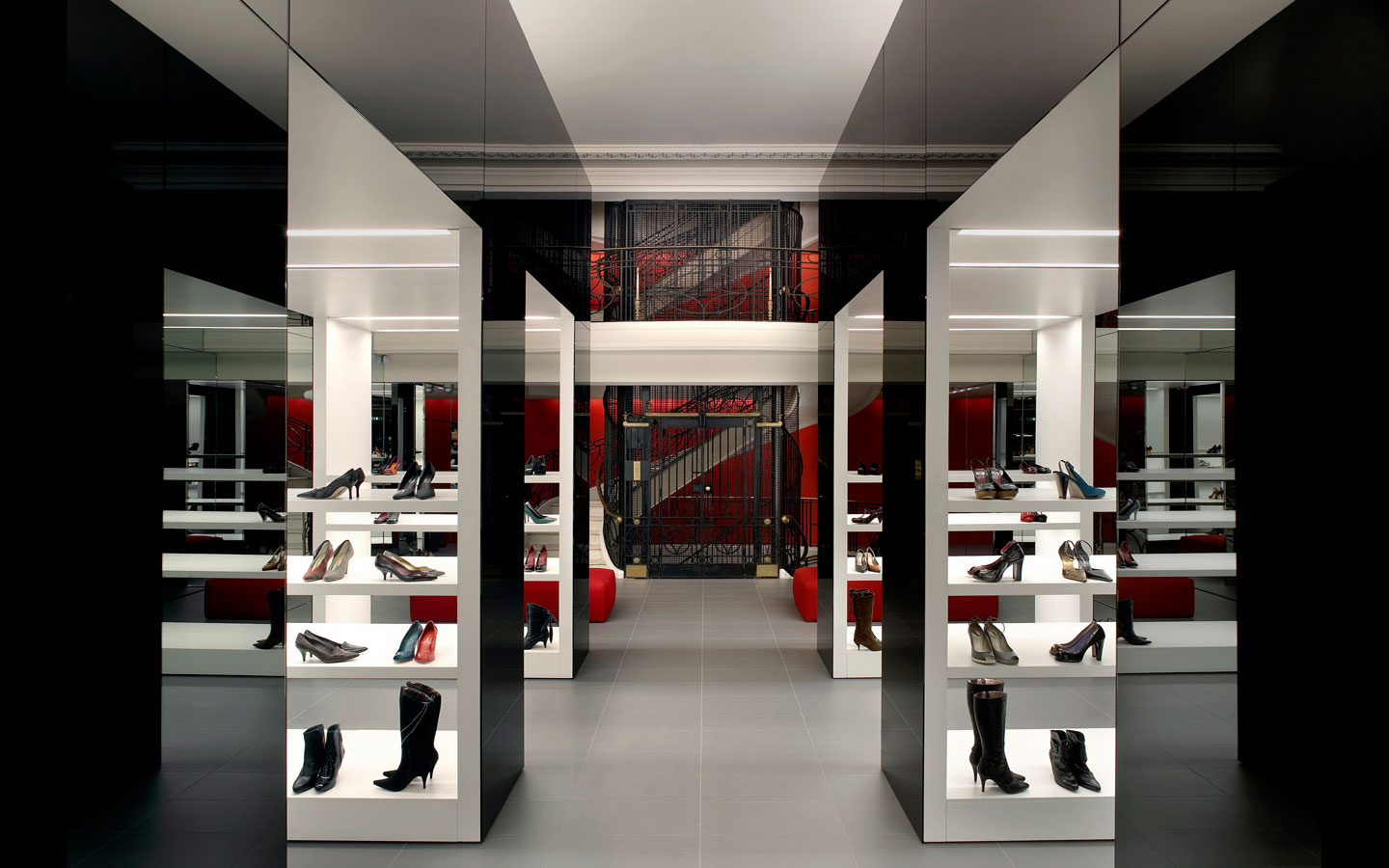
Mirrors are one of the most versatile and impactful elements in interior design. When placed thoughtfully, they can dramatically enhance a home’s atmosphere by amplifying light, expanding space, adding texture, and injecting style. This guide explores seven effective ways to incorporate mirrors into your interior design, helping you transform your home into a brighter, larger, and more sophisticated living space.
1. Create the Illusion of Space
Mirrors are a simple yet powerful way to trick the eye into perceiving a room as larger than it really is. By reflecting the surroundings, they visually double the space, making small or narrow rooms feel expansive and open.
- A strategic position is opposite a window or doorway, allowing the mirror to reflect natural views and light, significantly increasing the sense of openness.
- Full-length or floor-to-ceiling mirrors are particularly useful in compact areas such as hallways or studio flats, creating a dramatic spatial boost without structural changes.
- Mirrors arranged in grids or panels offer an additional design flair while multiplying the visual field.
This technique is invaluable in urban properties where space is at a premium, and designers frequently leverage it to enhance interior volume without costly renovations.
2. Reflect Natural Light
Mirrors are excellent natural light amplifiers. A well-placed mirror bounces daylight across a room, brightening darker corners and improving the overall ambience. This not only makes a space feel more welcoming but can also reduce reliance on artificial lighting during the day, enhancing energy efficiency.
- Positioning a mirror adjacent to or opposite a window facilitates the deepest light penetration through reflection.
- Even rooms with limited access to sunlight, such as north-facing spaces or those shaded by neighbouring buildings, benefit significantly from mirror-induced brightness.
- During darker seasons or cloudy days, mirrors continue to amplify whatever natural light is available, maintaining a cheerful environment.
For those concerned about insufficient light, mirrors used in tandem with reflective surfaces like glass or polished metals can maximise luminosity efficiently.
3. Add Depth and Dimension
Beyond creating spatial illusions, mirrors add tangible depth and layered texture to interiors. Grouping mirrors of different shapes, sizes, or frame styles transforms a blank wall into an artistic, multi-dimensional feature.
- Mirrored panels or clusters arranged with intention create a visual rhythm and complexity that enliven minimalist spaces.
- Decorative bevels, etched glass, or coloured frames introduce architectural interest and soften stark surfaces.
- A mix of rectangular, oval, and uniquely shaped mirrors allows for bespoke compositions that reflect personal style.
Layered mirrors can mimic the effect of architectural mouldings or wall panelling, bringing richness to otherwise simple rooms and reinforcing design themes.
4. Highlight Architectural Features
Mirrors can be deployed like design spotlights to draw visitor attention to key elements within a room. Positioned thoughtfully, they double the impact of focal points such as fireplaces, artwork, or handcrafted cabinetry.
- A mirror above a mantelpiece not only visually enlarges the fireplace but anchors the space, creating a central gathering feature.
- Mirrors flanking bespoke joinery or alcoves amplify craftsmanship and ornamentation, celebrating a room’s unique character.
- In homes with historical features like decorative mouldings or stained glass, reflective surfaces create a dialogue between old and new architectural elements.
This use of mirrors enhances storytelling within interiors, enriching the experience of the space through layered visual emphasis.
5. Enhance Symmetry and Balance
Symmetry is a fundamental design principle that generates calm, order, and elegance. Using mirrors symmetrically reinforces this effect in room layouts without overcrowding or repeating furniture.
- Matching mirrors placed on opposing walls or flanking a central feature harmonise proportions visually.
- Symmetrical mirror placements echo other design elements, such as paired armchairs or twin windows, cultivating balanced compositions.
- This approach is particularly effective in formal areas like dining rooms or living rooms where structure and grace are paramount.
Well-chosen mirrors carefully integrated into symmetrical schemes unify interiors and complement architectural lines effortlessly.
6. Introduce Texture and Style
Far beyond their reflective function, mirrors’ frames significantly influence a room’s texture and style. The frame becomes a statement that can support or define an interior’s aesthetic direction.
- Ornate gilded frames contribute opulence to traditional interiors, enriching the palette with historical charm.
- Rustic wooden frames add warmth and tactile contrast in country or rustic-style homes.
- Modern interiors benefit from clean lines and minimalist frames in metal or monochrome finishes that blend seamlessly.
Mirrors therefore, serve as decor accessories, subtly telling a design story and enriching furniture and fittings through material dialogue.
7. Create Functional Art Installations
Oversized or uniquely shaped mirrors act as functional art, blurring the line between utility and decoration. These pieces can define a space’s character and become a conversation starter.
- Dramatic floor-standing mirrors with sculptural bases introduce artistic flair while serving practical uses.
- Clusters of different mirrors arranged asymmetrically create spontaneity and bespoke flair in more eclectic interiors.
- Mirrors with artisan-crafted frames or custom-made shapes offer exclusivity and personal expression.
Such installations elevate interiors from merely functional to gallery-like sophistication, reflecting individual taste and creative vision.
Mirrors possess extraordinary potential to elevate home interiors by magnifying light, expanding space, enriching texture, and adding style and personality. Through thoughtful placement and frame selection, mirrors transform the way rooms feel—making them brighter, more spacious, balanced, and visually intriguing.
For homeowners seeking to integrate mirrors and other transformative design elements into their residences, Found Associates offers bespoke architectural and interior services that combine creativity with meticulous attention to detail. Their collaborative approach ensures each home reflects its owner’s lifestyle and aspirations beautifully.
Explore Found Associates’ portfolio to discover how considered design and details like mirrors can bring new life to your home. Start a bespoke design journey today and experience the profound impact intelligent use of mirrors can have on your living spaces.
FAQs related to how to Use Mirrors to Elevate Your Home
- How can mirrors make a room feel larger?
Mirrors create the illusion of space by reflecting their surroundings, doubling the visual area and making even small or narrow rooms feel open and expansive when positioned strategically, such as opposite windows or doorways.
- What is the best way to place mirrors to maximise natural light?
Placing mirrors near or opposite windows helps bounce daylight deeper into rooms, brightening darker areas and reducing the need for artificial lighting during the day.
- How do mirrors add depth and dimension to interior design?
Using clusters or layered mirrors with varied shapes, sizes, or frame styles adds visual complexity and texture, turning flat walls into dynamic, multi-dimensional features.
- Can mirrors highlight architectural features?
Yes, mirrors can be used as design accents to draw the eye to focal points like fireplaces, artwork, or bespoke joinery, doubling their visual impact and enriching the space’s character.
- What mirror styles are suitable for different interior designs?
Mirror frames can influence a room’s texture and style—from ornate gilded frames for traditional interiors, rustic wood for country styles, to sleek minimalist designs for modern spaces—allowing mirrors to blend seamlessly or make bold statements.
Reference:
- “Mirror Guide 2025: Reflection & Style in Interior Design” – Paolo Moschino
https://paolomoschino.com - “How to Position a Luxury Wall Mirror in a Large Foyer” – Venicasa
https://venicasa.com - “How to Choose a Wall Mirror for Each Room” – Ventura Interiors
https://venturainteriors.com - “Maximize Light and Space in Interior Design” – Mirror Home
https://mirrorhome.com - “Mirror Hacks to Make Rooms Look Bigger & Brighter” – Saint-Gobain Glass
https://in.saint-gobain-glass.com - “A Mirror Guide for Perfecting Your Interior Design” – Paolo Moschino
https://paolomoschino.com - “Mirror Placement Vastu Tips for Positive Energy” – Rennovate
https://rennovate.co.in - “5 Design Tips to Use Mirrors for Interior Design” – AIS Glass
https://aisglass.com - “12 Ways to Style With Mirrors In Your Interior Design” – Lux Deco
https://luxdeco.com