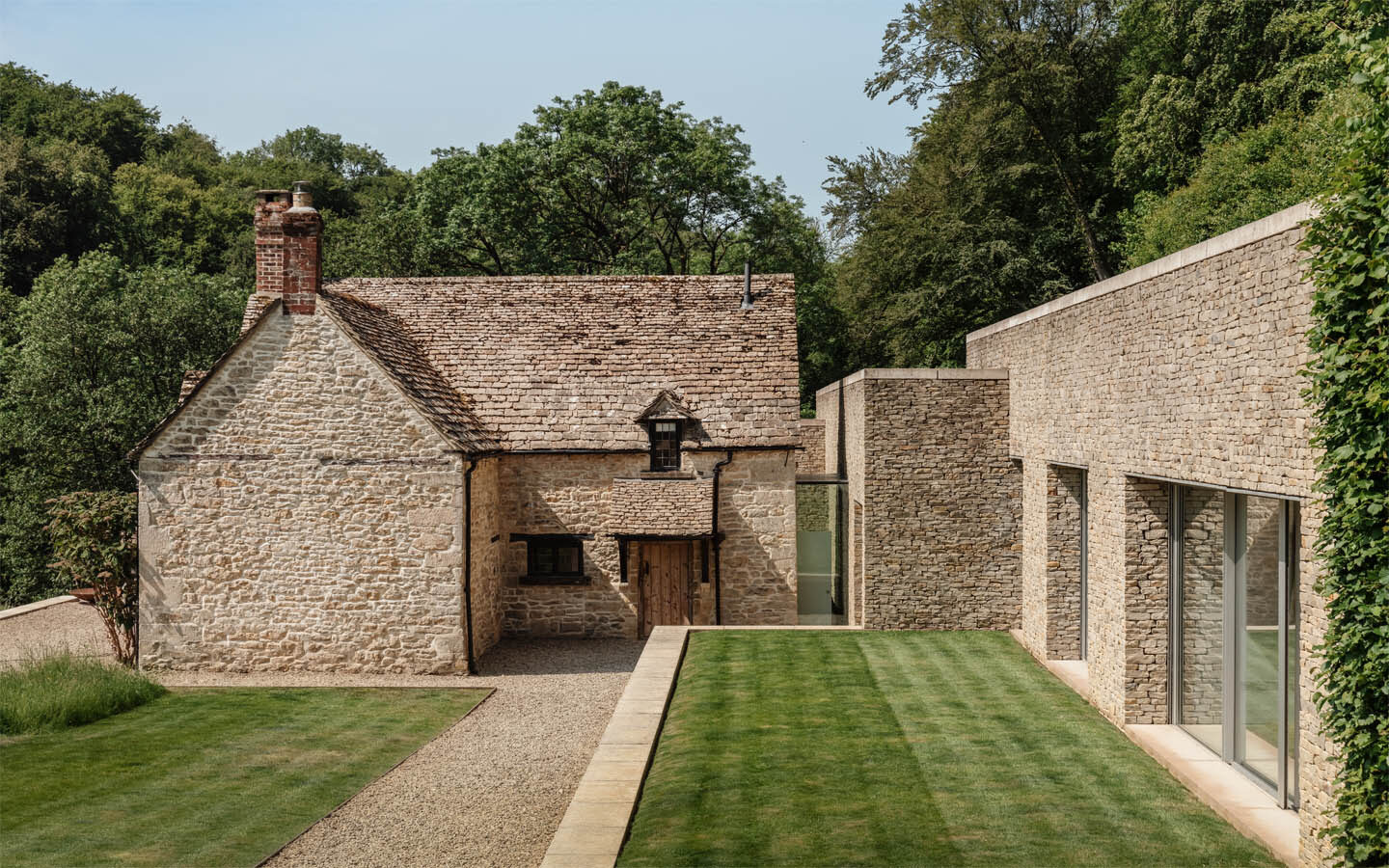
Trends come and go, but the ones worth paying attention to usually reflect something bigger than aesthetics: how we want to live, what we value, and where homes are headed next. In 2026, modern residential design is shifting in a quietly confident direction—less about perfection and more about comfort, longevity, and homes that feel intelligently crafted.
Think warmer materials, softer forms, stronger performance, and spaces that support real routines without losing their sense of elegance. Below are five modern home trends shaping 2026, along with practical ways to incorporate each one in a timeless, architecture-led manner.
“Lived-In” Luxury (Warm, Personal, Unprecious)
After years of slick minimalism, the mood is turning toward interiors that feel collected and genuinely inhabited—beautiful, but not staged. Vogue has called out a move toward “lived-in” spaces and a wider pushback against decorating purely for the photograph.
What this looks like in practice:
- Richer timber tones and deeper, warmer neutrals
- Textural layering (wool, linen, boucle, natural rugs)
- Pieces with patina (vintage, artisan-made, or well-crafted staples)
- Rooms that prioritise comfort as much as visual clarity
How to bring it home (without making it feel “busy”):
- Choose a calm base palette, then add warmth through timber, leather, and woven textures.
- Swap “matching sets” for a few pieces that feel sourced over time.
- Let one or two elements carry the personality (an artwork, a vintage chair, a hand-thrown vessel), rather than styling every surface.
This trend pairs naturally with a growing appetite for expressive but grounded colour—Pinterest’s 2026 palette highlights shades like Jade, Cool Blue, Plum Noir, Wasabi, and Persimmon. Used sparingly, these can add depth without becoming loud.
Softer Shapes + Sculptural Lighting as “Functional Art”
Modern homes are literally relaxing their lines. Curves—whether in furniture, joinery, or architectural openings—are continuing to gain momentum, creating spaces that feel calmer and more human. Alongside this, lighting is becoming increasingly sculptural: less “fixture”, more statement object. Homes & Gardens notes the blurred line between lighting and art, with a rise in tactile materials and sculptural forms.
Key cues to watch:
- Curved joinery and detailing (rounded islands, arched niches, softened corners)
- Organic silhouettes in furniture and mirrors
- Statement pendants and wall lights in materials like stone, glass, bronze, alabaster, or travertine
How to use this trend with restraint:
- Introduce curves in one “architectural moment” (a curved kitchen island end, an arched doorway, or a radius detail in joinery), then keep the rest clean.
- Use sculptural lighting where it matters most:
- over a dining table
- in an entryway
- above a kitchen island
- Prioritise warm, layered light. Statement fixtures look best when the ambient lighting is thoughtfully planned around them.
Done well, this trend doesn’t read as decorative. It reads as considered—architecture and atmosphere working together.
Natural Wall Treatments + Material Honesty
In 2026, there’s a strong return to surfaces that feel tactile, honest, and healthier to live with. Better Homes & Gardens highlights “natural wall treatments” and increased interest in raw woods and organic fabrics, alongside growing attention to low-VOC paints and materials.
Where this trend is showing up:
- Limewash and clay-based finishes that add soft depth
- Timber wall details (slatted panels, veneered joinery, integrated shelving)
- Textile walling or subtle woven textures
- Plaster-like renders and mineral paints for a quieter, more architectural look
How to apply it beautifully (and practically):
- Use one textural wall finish per room—too many competing surfaces can feel visually noisy.
- Pair tactile walls with simpler forms: flat-front cabinetry, minimal trims, and calm colour.
- Consider durability and cleaning needs. Some finishes are better in low-traffic areas (bedrooms, studies), while others suit living spaces.
This is a trend that aligns naturally with modern luxury: understated surfaces, a crafted feel, and materials that look better up close—not just from a distance.
Homes That Perform: Energy Efficiency, Resilience, and Smarter Systems
Modern design in 2026 isn’t only visual—it’s performance-led. As energy costs and climate considerations intensify, homeowners are paying closer attention to systems that make homes more efficient, comfortable, and resilient.
Martha Stewart’s coverage of 2026 eco-friendly home trends points to upgrades like energy recovery ventilators (ERVs), geothermal heat pumps, and triple-pane windows/doors as impactful moves that support energy efficiency and comfort.
At the same time, the idea of “energy independence” is rising: homes generating, storing, and managing their own power through solar, batteries, and smart energy management systems.
What this trend looks like on the ground:
- Better insulated envelopes and higher-performing glazing
- Electrification and efficient heating/cooling (including heat pumps)
- Solar + battery storage + smart monitoring for optimised use
- Quiet, integrated tech that supports comfort without visual clutter
How to embrace it in a design-forward way:
- Start with the building fabric (insulation, glazing, airtightness). It’s the most “invisible luxury” you can buy.
- Treat technology as part of the architecture: conceal what you can, plan early, and avoid retrofitting where possible.
- Focus on comfort metrics—temperature stability, air quality, acoustics—not only energy headlines.
This is the trend that will likely outlast all others, because it’s rooted in how homes need to function now—and in the future.
The Kitchen as a Wellbeing Space (More Personality, More Performance)
Kitchens continue to evolve beyond utility. In 2026, they’re expected to feel more expressive, more organised, and more connected to natural materials—while still working hard day to day. Better Homes & Gardens notes a shift toward kitchens that are more functional and expressive, with stronger demand for storage, colour, and performance.
Trends to watch in kitchen design:
- Smarter storage that reduces visual noise (pantries, appliance garages, considered internal organisation)
- Warmer tones and softer finishes rather than stark, glossy minimalism
- Natural materials (timber, stone, textured surfaces) for a calmer feel
- Colour with confidence—often as cabinetry, not just accessories
How to make it feel modern—not trendy:
- Keep the architecture simple; let materiality do the talking.
- Invest in what you touch every day: hardware, tapware, worktops, and lighting quality.
- Plan for real life:
- a drop zone for bags and post
- integrated bins and charging
- Task lighting exactly where you prep
A kitchen that feels good to use will always look good—because it stays calm, organised, and purposeful.
A Considered Approach to Modern Living
While trends offer insight into where residential design is heading, the most enduring homes are those that interpret them thoughtfully—through architecture, materiality, and an understanding of how people truly live. Whether it’s warmer, lived-in interiors, sculptural lighting, or performance-led design, these 2026 trends point toward homes that feel calmer, more resilient, and more personal.
At Found Associates, modern residential architecture is approached with longevity in mind—creating homes that balance clarity with comfort, and innovation with restraint. By focusing on spatial intelligence, material honesty, and quietly confident design, trends become tools rather than directives, shaping homes that will continue to feel relevant well beyond the year ahead.
FAQs related to Modern Home Trends
- Are 2026 home trends more about style or performance?
Both—but performance is driving many design decisions. Energy efficiency, comfort, and resilience are increasingly shaping layouts, materials, and systems choices.
- How do I use trend colours without committing to bold rooms?
Treat colour as an accent: a single joinery element, a powder room, artwork, or soft furnishings. Pinterest’s 2026 palette is well-suited to this approach.
- What’s the easiest trend to adopt without renovating?
Sculptural lighting and warmer, layered materials offer a high impact with minimal disruption—especially in dining areas and entry spaces.
- Are natural wall finishes practical for everyday homes?
Yes, when specified appropriately. The key is choosing the right finish for the right room and keeping the palette and detailing restrained. - What will make kitchens feel modern in 2026?
A balance of personality and performance: better storage, warmer materials, and thoughtful lighting—designed around comfort and real routines
Reference
- https://www.vogue.com/article/lived-in-interiors-trend
The Rise of Lived-In Interiors — Vogue - https://www.pinterestpredicts.com/
Pinterest Predicts 2026: Emerging Colour and Lifestyle Trends - https://www.homesandgardens.com/interior-design/sculptural-lighting-trend
Sculptural Lighting as Functional Art — Homes & Gardens - https://www.architecturaldigest.com/story/curved-furniture-interior-design
Why Curves Are Taking Over Interior Design — Architectural Digest - https://www.bhg.com/home-improvement/design/decorating/natural-wall-treatments/
Natural Wall Treatments and Textural Finishes — Better Homes & Gardens - https://www.architecturaldigest.com/story/limewash-paint-walls
Limewash Paint and Natural Wall Finishes Explained — Architectural Digest - https://www.marthastewart.com/eco-friendly-home-trends
Eco-Friendly Home Trends for 2026 — Martha Stewart - https://www.archdaily.com/tag/sustainable-housing
Sustainable and High-Performance Residential Design — ArchDaily - https://www.designboom.com/architecture/smart-homes-energy-efficiency-trends/
Energy-Efficient and Smart Home Design Trends — Designboom - https://www.bhg.com/kitchen/design/kitchen-trends/
Kitchen Design Trends: Function, Storage, and Personality — Better Homes & Gardens - https://www.houseandgarden.co.uk/gallery/kitchen-design-ideas
Modern Kitchen Design Ideas — House & Garden - https://foundassociates.com/